


Hey there! As a carbon steel pipe supplier, I often get asked if carbon steel pipes can be used for high - pressure applications. Well, let's dive right into it and find out.
Understanding Carbon Steel Pipes
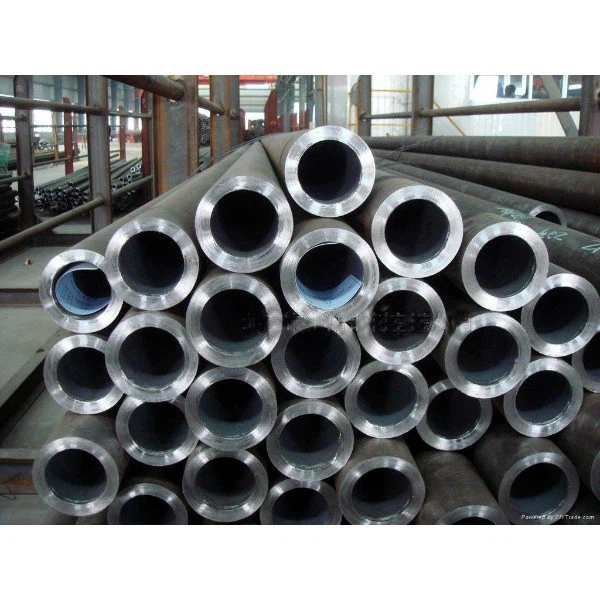
First off, let's talk a bit about carbon steel pipes. Carbon steel is basically steel that has carbon as its main alloying element. It's a popular choice in the piping world because it's relatively inexpensive, easy to work with, and has good mechanical properties. There are different types of carbon steel pipes, like seamless and welded ones. Seamless pipes are made from a solid round steel billet that's heated and then pierced to create a hollow tube. Welded pipes, on the other hand, are made by welding together flat steel sheets.
High - Pressure Requirements
When we're talking about high - pressure applications, we need pipes that can withstand a lot of stress. High - pressure systems can be found in various industries, such as oil and gas, power generation, and chemical processing. These systems often operate at pressures that can range from a few hundred pounds per square inch (psi) to several thousand psi.
For a pipe to be suitable for high - pressure applications, it needs to have high strength, good ductility, and excellent resistance to corrosion. Strength is crucial because it determines how much pressure the pipe can handle without bursting. Ductility is important because it allows the pipe to deform slightly under pressure without cracking. And corrosion resistance is necessary to prevent the pipe from weakening over time due to rust and other forms of corrosion.
Can Carbon Steel Pipes Meet the Requirements?
The short answer is yes, carbon steel pipes can be used for high - pressure applications. But it depends on a few factors.
Strength
Carbon steel pipes have good strength, especially when they're made from high - quality steel. The strength of carbon steel can be further enhanced through heat treatment processes like quenching and tempering. These processes can increase the hardness and strength of the steel, making it more suitable for high - pressure environments. For example, in oil and gas pipelines, carbon steel pipes are often used to transport crude oil and natural gas at high pressures. These pipes are designed to withstand the pressure exerted by the fluid flowing through them, as well as the external pressure from the surrounding environment.
Ductility
Carbon steel also has decent ductility, which means it can bend and stretch a bit without breaking. This is important in high - pressure applications because it allows the pipe to absorb some of the stress caused by pressure changes. For instance, when there's a sudden increase in pressure in a pipeline, the carbon steel pipe can deform slightly to accommodate the extra stress, rather than cracking immediately.
Corrosion Resistance
However, one of the main challenges with using carbon steel pipes in high - pressure applications is their relatively poor corrosion resistance. Carbon steel is prone to rusting when it comes into contact with moisture and oxygen. In high - pressure systems, especially those in harsh environments like offshore oil rigs or chemical plants, corrosion can be a major problem. If the pipe corrodes, its strength and integrity can be compromised, leading to leaks or even pipe failures.
To address this issue, carbon steel pipes can be coated or lined with materials that provide better corrosion resistance. For example, Galvanized Steel Spiral Duct is a type of carbon steel pipe that's coated with a layer of zinc to protect it from corrosion. The zinc coating acts as a sacrificial anode, corroding in place of the steel. Another option is to use a lining material, such as epoxy or polyethylene, inside the pipe to prevent the fluid from coming into direct contact with the steel.

Applications of Carbon Steel Pipes in High - Pressure Systems
Let's take a look at some specific applications where carbon steel pipes are used in high - pressure systems.
Oil and Gas Industry
In the oil and gas industry, carbon steel pipes are widely used for transporting oil and gas from the wellhead to the processing facilities. These pipes need to withstand high pressures, as well as the corrosive nature of the fluids they carry. For example, in offshore oil production, carbon steel pipes are used to connect the subsea wells to the floating production platforms. These pipes are designed to handle the high pressure of the oil and gas being pumped up from the seabed.
Power Generation
In power plants, carbon steel pipes are used in high - pressure steam systems. Steam is generated at high pressures and temperatures in boilers and then used to drive turbines to generate electricity. Carbon Steel Boiler Tubes are specifically designed to withstand the high pressures and temperatures of the steam. These tubes are made from high - quality carbon steel and are often heat - treated to enhance their strength and durability.
Chemical Processing
In chemical processing plants, carbon steel pipes are used to transport various chemicals at high pressures. However, since many chemicals are corrosive, special coatings or linings are often applied to the pipes to protect them from corrosion. For example, in a chemical plant that produces fertilizers, carbon steel pipes may be used to transport ammonia at high pressures. The pipes are lined with a corrosion - resistant material to prevent the ammonia from reacting with the steel.
Choosing the Right Carbon Steel Pipe for High - Pressure Applications
If you're considering using carbon steel pipes for high - pressure applications, there are a few things you need to keep in mind.
Grade of Steel
The grade of carbon steel you choose is important. Different grades of carbon steel have different properties, such as strength, ductility, and corrosion resistance. For high - pressure applications, you'll want to choose a high - strength grade of carbon steel. For example, ASTM A106 Grade B is a popular choice for high - pressure piping in the oil and gas industry.
Wall Thickness
The wall thickness of the pipe also matters. A thicker walled pipe can generally withstand higher pressures than a thinner walled pipe. You need to calculate the required wall thickness based on the operating pressure, temperature, and other factors of your system.
Coating or Lining
As mentioned earlier, corrosion can be a major issue in high - pressure applications. So, you need to decide whether to use a coated or lined carbon steel pipe. Consider the type of fluid being transported and the environment in which the pipe will be installed when choosing the coating or lining material.
Conclusion
In conclusion, carbon steel pipes can definitely be used for high - pressure applications. They have the strength and ductility needed to withstand high pressures, but their corrosion resistance can be a concern. By choosing the right grade of steel, the appropriate wall thickness, and the right coating or lining, you can ensure that carbon steel pipes perform well in high - pressure systems.
If you're in the market for carbon steel pipes for high - pressure applications, we're here to help. We offer a wide range of carbon steel pipes, including Galvanized Steel Spiral Duct and Carbon Steel Hydraulic Oil Pipe. Our pipes are made from high - quality steel and are designed to meet the highest standards of quality and performance. Contact us to discuss your specific requirements and let's start a procurement negotiation.
References
- ASME Boiler and Pressure Vessel Code
- API (American Petroleum Institute) Standards
- ASTM (American Society for Testing and Materials) Standards


