Your Professional Flange Supplier
Henan Shuangzhong Intelligent Technology Co., Ltd., an expert in precision manufacturing and pipeline system solutions, was founded in 1999. We are a professional manufacturer specializing in precision machining customization, pipeline equipment and pipe fittings customization, as well as the manufacturing and processing of rubber hoses.
-
![ASTM A350 LF2 Flange for Low Temperature]() ASTM A350 LF2 Flange for Low TemperatureName:ASTM A350 GR. LF2 CL.1 FlangeSize:1/2 ~ 24Sealing Surface Type: RF (Raised Face), RTJ (Ring Joint, suitable for high voltage Class 600+), FF (Flat Face), MFM (Concave-convex Face)Flange
ASTM A350 LF2 Flange for Low TemperatureName:ASTM A350 GR. LF2 CL.1 FlangeSize:1/2 ~ 24Sealing Surface Type: RF (Raised Face), RTJ (Ring Joint, suitable for high voltage Class 600+), FF (Flat Face), MFM (Concave-convex Face)Flange -
![Wn Type Weld Neck Flange 6-Inch Sch40 300 Lb Pressure Rating- 317 Stainless Stee]() Wn Type Weld Neck Flange 6-Inch Sch40 300 Lb Pressure Rating- 317 Stainless SteeName:Wn Type Weld Neck Flange 6-Inch Sch40 300 Lb Pressure Rating- 317 Stainless SteelSize:1/2”–48”Standard:ASME B16.5 Wall thickness:150LB,300LB,600LBApplication areas:Widely used in high-pressure
Wn Type Weld Neck Flange 6-Inch Sch40 300 Lb Pressure Rating- 317 Stainless SteeName:Wn Type Weld Neck Flange 6-Inch Sch40 300 Lb Pressure Rating- 317 Stainless SteelSize:1/2”–48”Standard:ASME B16.5 Wall thickness:150LB,300LB,600LBApplication areas:Widely used in high-pressure -
![ASTM A182 F22 Alloy Steel Flanges]() ASTM A182 F22 Alloy Steel FlangesProduct: ASTM A182 F22 Alloy Steel FlangesMaterial: Astm A182 F22 MaterialStandards:Asme B16.5 StandardKey Properties:Class 2500, Astm A182 F22 Material, RTJ, Asme B16.5 Standard Primary
ASTM A182 F22 Alloy Steel FlangesProduct: ASTM A182 F22 Alloy Steel FlangesMaterial: Astm A182 F22 MaterialStandards:Asme B16.5 StandardKey Properties:Class 2500, Astm A182 F22 Material, RTJ, Asme B16.5 Standard Primary -
![ASME B16.5 ASTM694 Gr.F60 Flange]() ASME B16.5 ASTM694 Gr.F60 Flange1. Name:ASME B16.5 ASTM694 Gr.F60 Flange. 2. Size: 1/2-72. 3. Grade:150#,300#,600#,900#,1500#,2500#. 4. Type:Weld Neck Flanges, Slip-On Flanges, Socket Weld Flanges, Threaded Flanges, Blind Flanges,
ASME B16.5 ASTM694 Gr.F60 Flange1. Name:ASME B16.5 ASTM694 Gr.F60 Flange. 2. Size: 1/2-72. 3. Grade:150#,300#,600#,900#,1500#,2500#. 4. Type:Weld Neck Flanges, Slip-On Flanges, Socket Weld Flanges, Threaded Flanges, Blind Flanges, -
![ASME B16.20 Nickel-Based Alloy 825 Oval Ring Joint Gasket]() ASME B16.20 Nickel-Based Alloy 825 Oval Ring Joint Gasket1. Name:ASME B16.20 Nickel-Based Alloy 825 Oval Ring Joint Gasket. 2. Size: 1/2-48. 3. Grade:150#,300#,600#,900#,1500#,2500#. 4.Temperature:-40°C - 550°C. 5.Applications: Wholesale clients in the oil
ASME B16.20 Nickel-Based Alloy 825 Oval Ring Joint Gasket1. Name:ASME B16.20 Nickel-Based Alloy 825 Oval Ring Joint Gasket. 2. Size: 1/2-48. 3. Grade:150#,300#,600#,900#,1500#,2500#. 4.Temperature:-40°C - 550°C. 5.Applications: Wholesale clients in the oil -
![ASME 16.20 / ASME B16.5 Type D NEMA Grade G10 Steel-Core Insulating Kit]() ASME 16.20 / ASME B16.5 Type D NEMA Grade G10 Steel-Core Insulating Kit1. Type:Gaskets Materials. 2. Size: 1/2-48. 3. Grade:150#,300#,600#,900#,1500#,2500#. 4.Temperature:-40℃-120 ° C. 5.Applications: Wholesale clients in the oil and gas, petrochemical, and power
ASME 16.20 / ASME B16.5 Type D NEMA Grade G10 Steel-Core Insulating Kit1. Type:Gaskets Materials. 2. Size: 1/2-48. 3. Grade:150#,300#,600#,900#,1500#,2500#. 4.Temperature:-40℃-120 ° C. 5.Applications: Wholesale clients in the oil and gas, petrochemical, and power -
![A182 GR. F51 RTJ RF ASME B16.5 6 6"Blind Flange]() A182 GR. F51 RTJ RF ASME B16.5 6 6"Blind FlangeSizes: NPS 1/2 to 24. Pressure: Class 150 to 2500. Typical Applications: Offshore drilling platforms and subsea pipelines.High-pressure natural gas transmission systems.Highly corrosive chemical
A182 GR. F51 RTJ RF ASME B16.5 6 6"Blind FlangeSizes: NPS 1/2 to 24. Pressure: Class 150 to 2500. Typical Applications: Offshore drilling platforms and subsea pipelines.High-pressure natural gas transmission systems.Highly corrosive chemical -
![ASME B16.5 900#-2500# RF FF RTJ UNS N08020 LWN FLANGE]() ASME B16.5 900#-2500# RF FF RTJ UNS N08020 LWN FLANGETypes: SO, SW, BL, BL, WN, LJ, spectacle valves, orifice valves, etc.Sizes: 1/2”-48”, DN10-DN4000Pressure ratings: 75#-2500#, PN6-PN100Standards: ASME, DIN, EN, JIS, BS
ASME B16.5 900#-2500# RF FF RTJ UNS N08020 LWN FLANGETypes: SO, SW, BL, BL, WN, LJ, spectacle valves, orifice valves, etc.Sizes: 1/2”-48”, DN10-DN4000Pressure ratings: 75#-2500#, PN6-PN100Standards: ASME, DIN, EN, JIS, BS -
![ASME B16.5 150# PSI 900 ALLOY MONEL 400 FLANGE]() ASME B16.5 150# PSI 900 ALLOY MONEL 400 FLANGEType: SO,SW,BL,BL,WN,LJ,Spectacle,Orifice ect.Size: 1/2”-48”, DN10-DN4000Class: 75#-2500#, PN6-PN100Standard: ASME,DIN,EN,JIS,BS
ASME B16.5 150# PSI 900 ALLOY MONEL 400 FLANGEType: SO,SW,BL,BL,WN,LJ,Spectacle,Orifice ect.Size: 1/2”-48”, DN10-DN4000Class: 75#-2500#, PN6-PN100Standard: ASME,DIN,EN,JIS,BS -
![ASME B16.5 Stainless Steel Flanges]() ASME B16.5 Stainless Steel FlangesName:ASME B16.5 Stainless Steel FlangesSize:NPS 1/2(DN 15)~ NPS 24(DN 600)Sealing Surface Type: RF (Raised Face), RTJ (Ring Joint, suitable for high voltage Class 600+), FF (Flat Face), MFM
ASME B16.5 Stainless Steel FlangesName:ASME B16.5 Stainless Steel FlangesSize:NPS 1/2(DN 15)~ NPS 24(DN 600)Sealing Surface Type: RF (Raised Face), RTJ (Ring Joint, suitable for high voltage Class 600+), FF (Flat Face), MFM -
![S31803 Blind Flange]() S31803 Blind FlangeName:S31803 Blind FlangeTypes: SO, SW, BL, WN, LJ, Spectacle, Orifice, etc.Sizes: 1/2-48, DN10-DN4000Grades: 75-2500, PN6-PN100Standards: ASME, DIN, EN, JIS, BS
S31803 Blind FlangeName:S31803 Blind FlangeTypes: SO, SW, BL, WN, LJ, Spectacle, Orifice, etc.Sizes: 1/2-48, DN10-DN4000Grades: 75-2500, PN6-PN100Standards: ASME, DIN, EN, JIS, BS -
![Stainless Steel Blind Flange]() Stainless Steel Blind FlangeName:Stainless steel blind flangeType: SS Blind FlangesSize: 1/2”-48”, DN10-DN4000Class: 150#-2500#, PN6-PN100Standard: ASME, DIN, EN, JIS, BS
Stainless Steel Blind FlangeName:Stainless steel blind flangeType: SS Blind FlangesSize: 1/2”-48”, DN10-DN4000Class: 150#-2500#, PN6-PN100Standard: ASME, DIN, EN, JIS, BS


Why choose us
One-Stop Customized Solutions
We are committed to providing customers with one-stop customized solutions — from design support and precision manufacturing to quality assurance — to meet the diverse needs of various industries for high-performance, high-precision, and high-reliability industrial components.
Certification
We ensure quality through comprehensive system certifications: the company has passed the ISO 9001:2015 quality management system certification and the American Petroleum Institute (API) quality certification system.
Sales Market
Our products have been successfully exported to many countries and regions around the world, including the United States, Canada, Germany, India, Malaysia, Pakistan, the United Arab Emirates, Egypt, and the Middle East. We have earned the trust and praise of overseas customers.
On-Site Quality Supervision
We dispatch professional quality inspection teams to supervise the production of steel pipe fittings and rubber hoses. From raw material entry to the shipment of finished products, we maintain strict quality control throughout the process and accommodate special customer requirements, such as product identification and packaging methods.
Flange
Flanges can be defined as an important element used to connect pipes, valves, pumps and other equipment together. They are one of the safety systems used to connect piping systems to various equipment. In addition flanges, which are the second most widely used joining method available today, provide various advantages to the system in which they are used. According to the place of use, it can be made of different materials such as brass, copper, iron. One of them is that it provides convenience by offering flexibility when maintaining pipe systems. As YENA Engineering, we manufacture any type of flanges and pipe spools according to your demands.
Characteristics of Flanges
●Flanges have accurately drilled holes for easy assembly.
●They have controlled grain flow for optimal strength and stiffness.
●To facilitate good welding, flanges are machined bevels.
●For unrestricted flow when used for piping system, flanges are smooth and have accurate bore.
●This component has spot-facing to ensure fastener seating stays true and square.
Pressure Rating Class of Flanges
Depending on the different pressure bearing capacity requirements, each type of flange corresponds to different pressure rating classes. The pressure rating class is indicated by # or Class, which represents how many pounds of pressure it can withstand. Common pressure ratings are:
150#, 300#, 400#, 600#, 900#, 1500#, 2500#
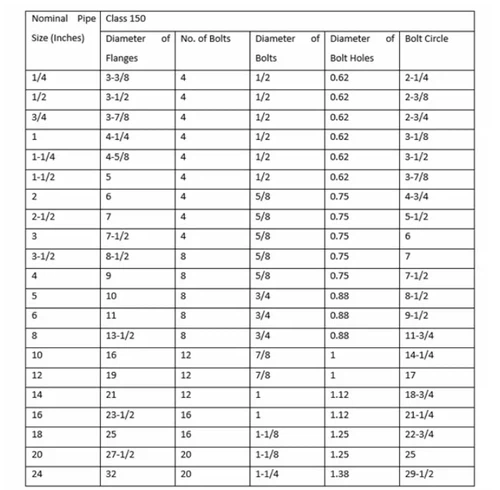
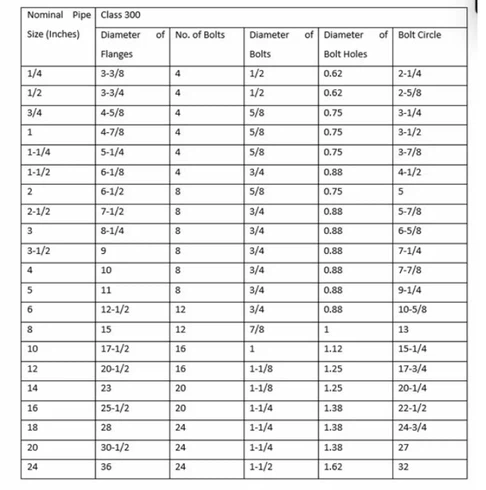
Even for the same type of flange, different pressure rating classes correspond to different sizes. Therefore, we should consider every piece of information about the flange to determine its final size.
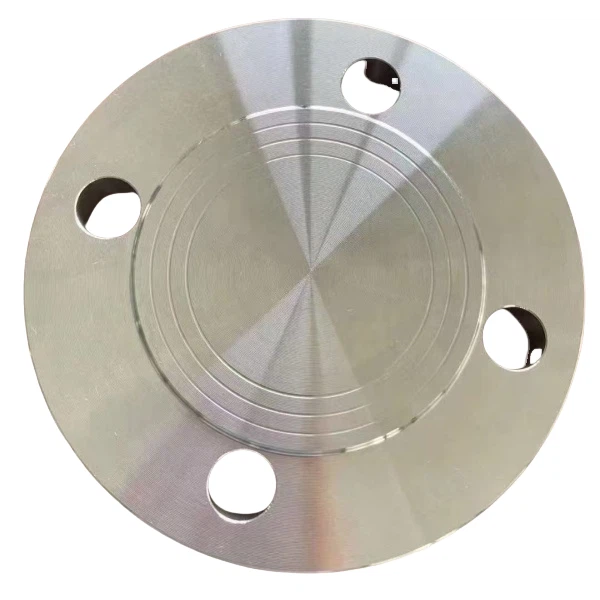
Flanges are used to securely and firmly bring together pipes, valves, pumps, or other equipment at a joint. Some important functions provided by flanges are:
Connection: Flanges allow for the assembly of components at a joint. One flange is mounted onto the outer circumference of the pipe or equipment, while the other flange is mounted at the opposite side of the joint. They are securely connected using bolts and nuts, ensuring a reliable connection.
Durability: Flanges provide resistance against pressure, temperature, and other forces within the system. High pressures or temperature changes between pipelines or equipment can be effectively accommodated due to the solid connection provided by flanges.
Sealing: Flanges are used to achieve sealing at the joint. Gaskets or sealing materials at the joint prevent unwanted leaks of liquids or gases within the pipelines. This is important for safe operations and environmental protection.
Ease of Assembly and Maintenance: Flanges allow for easy assembly and disassembly of pipes or equipment. When repairs, maintenance, or modifications are needed, the parts can be quickly separated and reassembled using flanges. This provides a significant advantage for production continuity and efficiency.
Flexibility: Flanges enable transitions between different pipe diameters, pressure classes, or materials. They are used at joints of different components or systems to bring together various elements and ensure compatibility.
Flanges come in different types and designs. Some common types of flanges are as follows:
Weld Neck Flanges: Weld neck flanges have a long tapered hub and are designed to be butt-welded to the pipe. The flange provides excellent strength and resistance to deformation under pressure. They are commonly used in high-pressure and high-temperature applications.
Slip-On Flanges: Slip-on flanges have a slightly larger diameter than the pipe and are slipped over the pipe before being welded in place. They are easier to align and are often used in low-pressure applications. Slip-on flanges are not suitable for applications with high bending moments or severe temperature fluctuations.
Threaded Flanges
Threaded flanges have internal threads that allow them to be screwed onto the pipe. They are used in applications where it is necessary to assemble and disassemble the connection frequently. However, threaded flanges are not recommended for high-pressure applications.
Lap Joint Flanges
Ap joint flanges consist of a flat face flange and a separate backing flange. The backing flange is typically made of different materials and is used to provide alignment and support. Lap joint flanges are commonly used in systems requiring frequent dismantling.
Blind Flanges
Blind flanges are solid discs used to block off the end of a piping system. They are used when future expansion or maintenance might be required. Blind flanges can also be used as inspection covers.
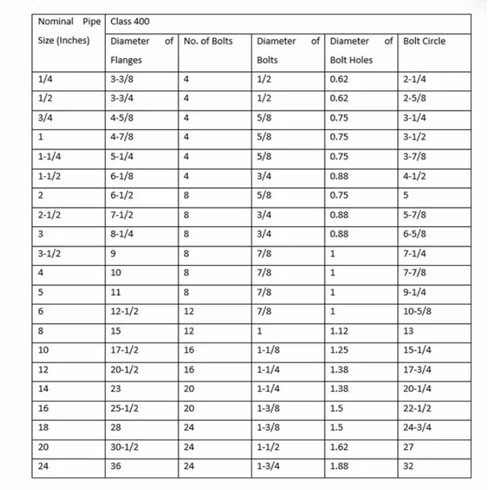
Below are tables showing flange dimensions.
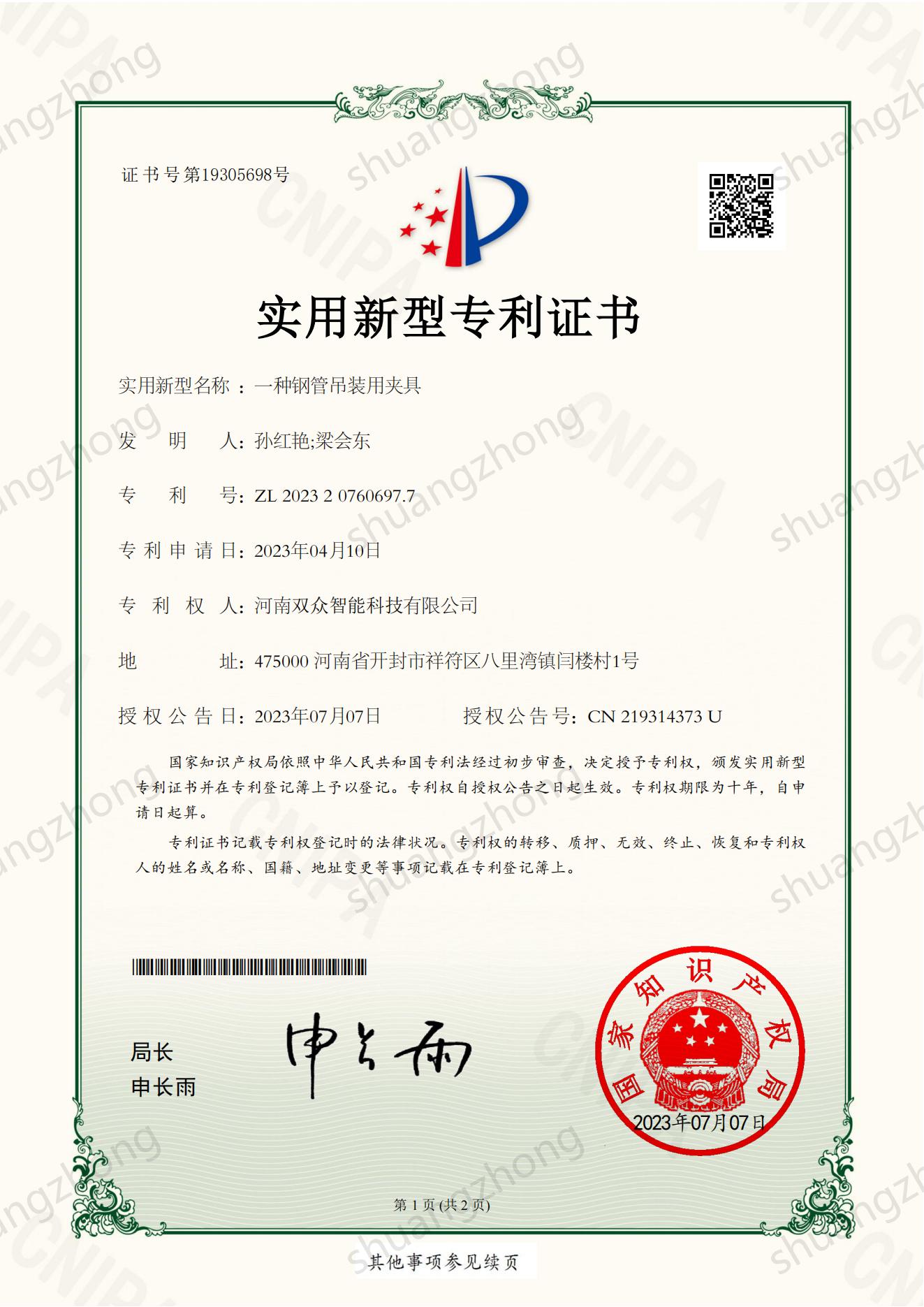
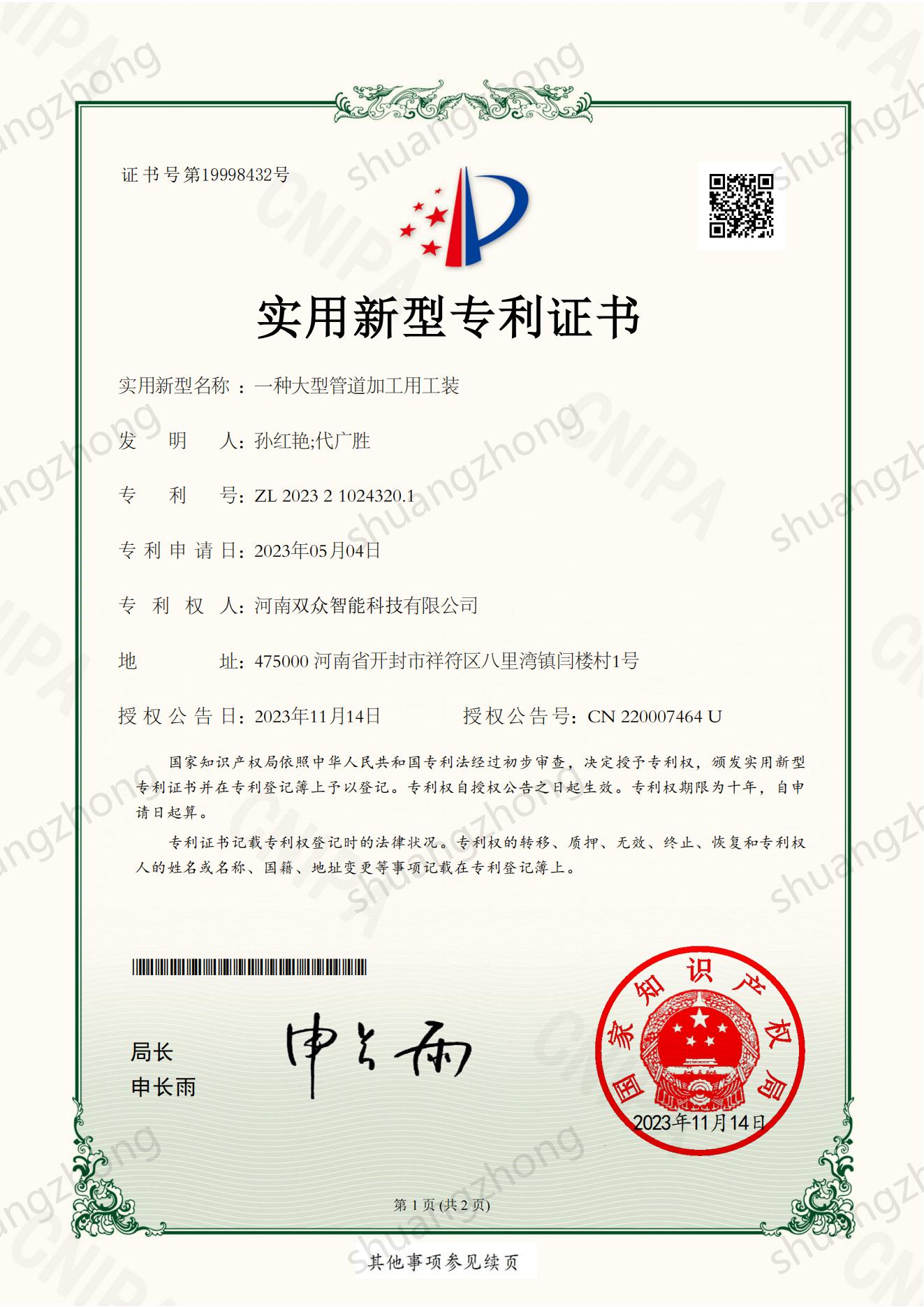
Our Certificate


FAQ
As one of the leading flange manufacturers in China, we warmly welcome you to buy high quality flange for sale here from our factory. Good service and reasonable price are available.
Popular Products