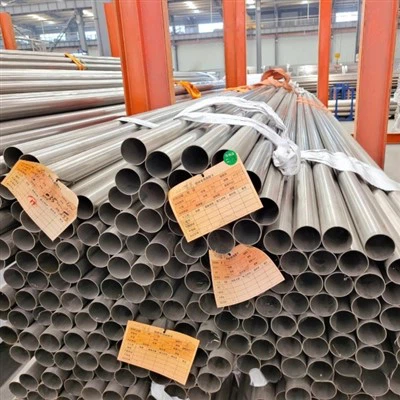
Hey there! As a supplier of stainless steel flanges, I often get asked if stainless steel flanges can be used in the oil and gas industries. Well, the short answer is yes, and in this blog, I'll dive deep into why they're such a great fit and how they can benefit these industries.
Why Stainless Steel Flanges?
First off, let's talk about what makes stainless steel so special. Stainless steel is an alloy that contains chromium, which forms a thin, invisible layer of chromium oxide on the surface. This layer acts as a protective shield, preventing corrosion and rust. In the harsh environments of the oil and gas industries, where exposure to moisture, chemicals, and high pressures is common, this corrosion resistance is a game - changer.
Corrosion Resistance
The oil and gas industries deal with a variety of corrosive substances. For example, crude oil can contain sulfur compounds that are highly corrosive. Natural gas may have impurities like hydrogen sulfide, which can cause pitting and stress - corrosion cracking in metals. Stainless steel flanges can withstand these corrosive elements much better than other materials. This means less maintenance, fewer replacements, and ultimately, lower costs for oil and gas companies.
Strength and Durability
Stainless steel flanges are incredibly strong. They can handle high pressures and temperatures that are typical in oil and gas operations. Whether it's in offshore drilling platforms, refineries, or pipelines, these flanges need to be able to hold up under extreme conditions. Stainless steel has the mechanical properties to do just that. It can resist deformation and maintain its integrity over long periods, ensuring a reliable connection in the system.
Hygiene and Cleanliness
In some parts of the oil and gas industry, especially in the processing and transportation of refined products, hygiene is crucial. Stainless steel is easy to clean and sanitize, which makes it ideal for applications where product purity is a concern. It doesn't harbor bacteria or other contaminants, which is important for maintaining the quality of the oil and gas products.
Types of Stainless Steel Flanges for Oil and Gas
There are several types of stainless steel flanges that are commonly used in the oil and gas industries. Let's take a look at a few of them.
Stainless Steel Blind Flange
A Stainless Steel Blind Flange is used to close the end of a pipe or a vessel. In the oil and gas industry, it's often used during maintenance or when a section of the pipeline needs to be isolated. These flanges are designed to withstand high pressures and are made from high - quality stainless steel to ensure a tight seal.
304 Stainless Steel Flange
304 Stainless Steel Flange is one of the most widely used types of stainless steel in the industry. It has good corrosion resistance and is relatively inexpensive compared to some other grades. 304 stainless steel flanges are suitable for a wide range of applications, from low - pressure pipelines to general - purpose connections in refineries.
316 Stainless Steel Flanges
316 Stainless Steel Flanges are even more corrosion - resistant than 304. They contain molybdenum, which enhances their resistance to pitting and crevice corrosion, especially in environments with chloride ions. This makes them a great choice for offshore applications where the flanges are exposed to saltwater.
Applications in the Oil and Gas Industries
Stainless steel flanges are used in various parts of the oil and gas production and transportation process.
Drilling and Exploration
In the drilling phase, stainless steel flanges are used in the wellhead equipment. They connect the various components of the drilling rig, such as the blowout preventer, to the wellbore. These flanges need to be able to withstand high pressures and the harsh conditions of the drilling environment.
Refineries
Refineries are complex facilities where crude oil is processed into various products. Stainless steel flanges are used in the piping systems that transport the different fluids and gases within the refinery. They ensure a leak - free connection between the different units, such as distillation columns, reactors, and storage tanks.
Pipelines
Pipelines are the backbone of the oil and gas transportation system. Stainless steel flanges are used to connect the pipeline sections. They need to be able to handle the high pressures and long - term exposure to the transported fluids. Whether it's a long - distance pipeline on land or an underwater pipeline, stainless steel flanges provide a reliable connection.
Challenges and Considerations
While stainless steel flanges have many advantages, there are also some challenges and considerations when using them in the oil and gas industries.
Cost
Stainless steel flanges can be more expensive than some other materials. However, when you consider the long - term benefits, such as reduced maintenance and longer service life, the cost can be justified. Oil and gas companies need to weigh the upfront cost against the long - term savings.


Compatibility
It's important to ensure that the stainless steel flanges are compatible with the other materials in the system. For example, if the pipeline is made of a different type of metal, there could be a risk of galvanic corrosion. Proper material selection and surface treatment can help mitigate this risk.
Conclusion
In conclusion, stainless steel flanges are an excellent choice for the oil and gas industries. Their corrosion resistance, strength, and durability make them well - suited for the harsh environments and high - pressure applications in this sector. Whether it's in drilling, refining, or transportation, stainless steel flanges play a crucial role in ensuring the safe and efficient operation of oil and gas facilities.
If you're in the oil and gas industry and looking for high - quality stainless steel flanges, we're here to help. We offer a wide range of stainless steel flanges, including the ones mentioned above. Our products are made to the highest standards and can meet the specific requirements of your project. Contact us to discuss your needs and start a procurement negotiation.
References
- ASME B16.5: Standard for Pipe Flanges and Flanged Fittings
- API 6A: Specification for Wellhead and Christmas Tree Equipment
- ASTM A182: Standard Specification for Forged or Rolled Alloy and Stainless Steel Pipe Flanges, Forged Fittings, and Valves and Parts for High - Temperature Service