


As a carbon steel plate supplier, I know firsthand how crucial it is to ensure the consistent quality of our products. In the construction, manufacturing, and various other industries, the quality of carbon steel plates can make or break a project. So, let's dive into how we can keep that quality top - notch.
Raw Material Selection
The journey to consistent quality starts right at the source: the raw materials. We need to be super picky when choosing the iron ore and other elements that go into making carbon steel plates. High - quality raw materials are like the foundation of a sturdy building. They set the stage for everything else.
We work closely with trusted suppliers who have a proven track record of providing pure and consistent raw materials. Before we even start the production process, we conduct thorough inspections of the incoming materials. We check for things like chemical composition, impurities, and physical properties. If the raw materials don't meet our strict standards, we simply don't use them. This might seem like a hassle, but it's worth it in the long run because it helps us avoid a lot of potential quality issues down the line.
Manufacturing Process Control
Once we've got the right raw materials, it's time to turn them into carbon steel plates. The manufacturing process is where a lot of things can go wrong, so we need to have tight control over every step.
First off, we use advanced technology and equipment in our production facilities. Our furnaces are state - of - the - art, which allows us to precisely control the temperature and chemical reactions during the melting and refining process. This ensures that the carbon steel has the right chemical composition and properties.
During the rolling process, we monitor the thickness, width, and flatness of the plates very carefully. We use automated systems that can detect even the slightest deviations from the desired specifications. If there's an issue, we can make adjustments right away. For example, if the plate is a bit too thick in one area, we can adjust the rolling pressure to correct it.
We also pay close attention to the heat treatment process. Heat treatment can significantly affect the strength, hardness, and ductility of the carbon steel plates. We follow strict heat treatment schedules based on the specific requirements of each type of plate. Whether it's annealing, quenching, or tempering, we make sure that the process is carried out accurately.
Quality Testing and Inspection
Quality testing and inspection are like the gatekeepers of our product quality. We have a comprehensive testing program in place to ensure that every carbon steel plate that leaves our facility meets our high standards.
We start with in - process inspections. At various stages of the manufacturing process, our quality control team checks the plates for any visible defects, such as cracks, surface irregularities, or improper dimensions. They use tools like calipers, micrometers, and visual inspection techniques to identify any issues early on.
Once the plates are finished, we conduct a series of more in - depth tests. One of the most important tests is the chemical analysis. We use advanced spectrometers to determine the exact chemical composition of the carbon steel. This helps us ensure that the plate has the right amount of carbon, manganese, sulfur, and other elements.
We also perform mechanical tests, such as tensile tests, hardness tests, and impact tests. These tests give us a clear picture of the plate's strength, toughness, and other mechanical properties. If a plate fails any of these tests, it doesn't get shipped to the customer.
Traceability and Documentation
Traceability is key when it comes to ensuring consistent quality. We keep detailed records of every step of the production process, from the raw material sourcing to the final product shipment. This includes information about the suppliers, manufacturing dates, test results, and any other relevant data.
Having this documentation not only helps us track the quality of our products but also allows us to quickly identify and address any issues that may arise. If a customer reports a problem with a carbon steel plate, we can use the traceability system to trace back to the source of the issue. This could be a problem with the raw materials, a manufacturing error, or a testing oversight.
Employee Training and Development
Our employees are the heart of our operation, and their skills and knowledge play a crucial role in maintaining product quality. We invest a lot in training and development programs to ensure that our staff is well - equipped to handle every aspect of the production process.

We provide regular training on new manufacturing techniques, quality control methods, and safety procedures. Our employees are also encouraged to stay updated on the latest industry trends and technologies. By keeping our workforce well - informed and skilled, we can improve the overall quality of our carbon steel plates.
Continuous Improvement
The pursuit of quality is an ongoing process. We're always looking for ways to improve our products and processes. We collect feedback from our customers, analyze our production data, and conduct regular audits to identify areas for improvement.
For example, if we notice that a particular type of carbon steel plate has a higher rate of defects, we'll investigate the root cause and come up with a solution. This could involve adjusting the manufacturing process, changing the raw materials, or improving the testing methods.
Product Examples
We offer a wide range of carbon steel plates to meet different customer needs. For instance, we have ASTM A36 Carbon Steel Plate, which is a popular choice for general structural applications. It has good strength and weldability, making it suitable for a variety of projects.
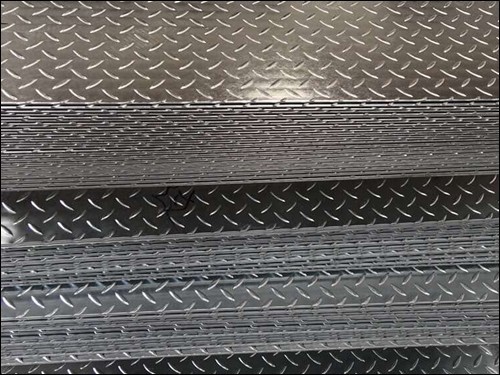
Another product is Carbon Steel Tread Plate. This type of plate has a raised pattern on the surface, which provides excellent slip resistance. It's commonly used in industrial flooring, ramps, and stairways.
We also supply A105 Carbon Steel Plate, which is often used in the manufacturing of pipes and fittings. It has high strength and good ductility, making it ideal for applications where pressure and stress are involved.
Conclusion
Ensuring the consistent quality of carbon steel plates is a multi - faceted process that involves everything from raw material selection to continuous improvement. By following these steps, we can provide our customers with high - quality products that meet their specific requirements.
If you're in the market for carbon steel plates and want to ensure that you're getting a product of the highest quality, we'd love to talk to you. Whether you have a small project or a large - scale construction job, we have the expertise and the products to meet your needs. Contact us to start a discussion about your carbon steel plate requirements.
References
- ASM Handbook, Volume 1: Properties and Selection: Irons, Steels, and High - Performance Alloys
- ASTM International Standards for Carbon Steel Plates


