


When it comes to industrial piping systems, carbon steel flanges play a crucial role in ensuring the integrity and efficiency of the overall setup. As a seasoned carbon steel flange supplier, I understand the challenges that engineers, project managers, and procurement officers face when selecting the appropriate carbon steel flange for their specific operating conditions. In this blog post, I will share some valuable insights and guidelines to help you make an informed decision.
Understanding the Basics of Carbon Steel Flanges
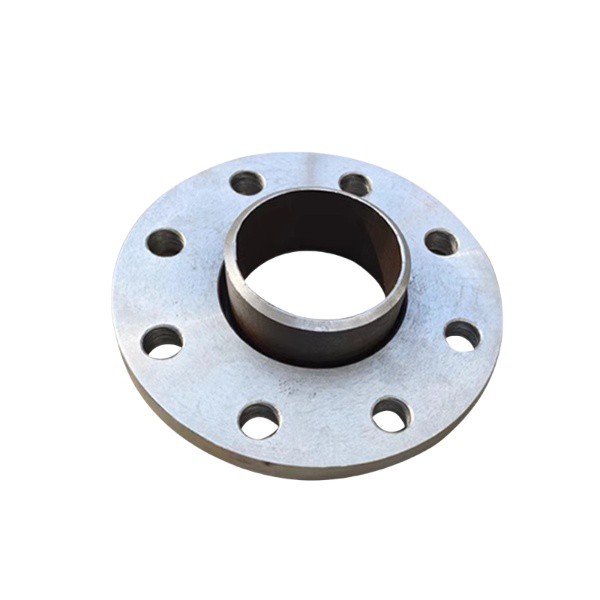
Carbon steel flanges are widely used in various industries due to their excellent mechanical properties, durability, and cost - effectiveness. They are available in different types, including Carbon Steel Slip On Flange, A105 Carbon Steel Flange, and Carbon Steel Lap Joint Flange. Each type has its own unique features and is suitable for specific applications.
Slip - on flanges are easy to install and are commonly used in low - pressure applications. They slide over the pipe and are then welded in place. A105 carbon steel flanges are made from a specific grade of carbon steel that offers good strength and ductility. They are suitable for a wide range of applications, including high - pressure and high - temperature environments. Lap - joint flanges are used in applications where frequent disassembly is required. They consist of a stub end and a loose flange, which allows for easy removal and reinstallation.
Key Operating Conditions to Consider
Pressure
One of the most important factors to consider when selecting a carbon steel flange is the operating pressure of the system. High - pressure applications require flanges with higher pressure ratings. The pressure rating of a flange is determined by its design, material, and manufacturing process. For example, in a high - pressure steam system, you would need a flange with a higher pressure rating, such as a Class 600 or Class 900 flange. It is essential to consult the pressure - temperature rating charts provided by the flange manufacturer to ensure that the selected flange can withstand the operating pressure and temperature of the system.
Temperature
Temperature also has a significant impact on the performance of carbon steel flanges. Extreme temperatures can cause the flange material to expand or contract, which may lead to leaks or structural failures. In high - temperature applications, flanges made from materials with high heat resistance, such as A105 carbon steel, are preferred. On the other hand, in low - temperature applications, flanges need to have good toughness to prevent brittle fracture. It is important to select a flange that is designed to operate within the temperature range of the system.

Corrosion
Corrosion is another critical factor to consider, especially in industries where the pipes carry corrosive fluids or are exposed to a corrosive environment. Carbon steel flanges can be protected from corrosion through various methods, such as coating, galvanizing, or using corrosion - resistant alloys. In highly corrosive environments, it may be necessary to use flanges made from stainless steel or other corrosion - resistant materials. However, if the corrosion is mild, a coated carbon steel flange may be a cost - effective solution.
Fluid Type
The type of fluid flowing through the piping system also affects the selection of carbon steel flanges. Different fluids have different chemical properties, which can react with the flange material. For example, if the fluid is acidic or alkaline, it may cause corrosion of the carbon steel flange. In such cases, a flange with a suitable corrosion - resistant coating or made from a corrosion - resistant material should be selected. Additionally, some fluids may be abrasive, which can cause wear and tear on the flange surface. In abrasive applications, flanges with a hard surface finish or made from a wear - resistant material may be required.
Material Selection
The choice of carbon steel material for the flange depends on the operating conditions of the system. As mentioned earlier, A105 carbon steel is a popular choice for many applications due to its good strength and ductility. However, there are other grades of carbon steel available, each with its own unique properties. For example, ASTM A350 LF2 is a low - temperature carbon steel that is suitable for applications where the temperature drops below freezing.
When selecting the material, it is important to consider the chemical composition, mechanical properties, and heat treatment of the carbon steel. The chemical composition affects the corrosion resistance and weldability of the flange. The mechanical properties, such as tensile strength and yield strength, determine the ability of the flange to withstand the operating pressure and temperature. Heat treatment can improve the mechanical properties of the carbon steel, such as increasing its hardness and toughness.
Flange Dimensions and Fitting
Proper flange dimensions and fitting are essential for ensuring a leak - free connection. The flange size should match the pipe size, and the bolt holes should be properly aligned. Incorrect dimensions can lead to leaks, which can be costly and dangerous. It is important to follow the industry standards, such as ASME B16.5 or API 6A, when selecting the flange dimensions.
In addition to the size, the face type of the flange also needs to be considered. Common face types include flat face (FF), raised face (RF), and ring joint face (RTJ). The choice of face type depends on the application and the gasket used. For example, a raised face flange is commonly used with a spiral - wound gasket, while a ring joint face flange is used in high - pressure and high - temperature applications with a metal ring gasket.
Installation and Maintenance
Proper installation and maintenance of carbon steel flanges are crucial for their long - term performance. During installation, it is important to ensure that the flange is properly aligned with the pipe and that the bolts are tightened to the correct torque. Over - tightening or under - tightening the bolts can cause leaks or damage to the flange.
Regular maintenance is also necessary to detect and prevent potential problems. This includes inspecting the flange for signs of corrosion, wear, or damage, and replacing any worn or damaged gaskets or bolts. It is also important to follow the manufacturer's recommendations for maintenance and inspection intervals.
Conclusion
Selecting the appropriate carbon steel flange based on operating conditions is a complex process that requires careful consideration of various factors, including pressure, temperature, corrosion, fluid type, material, dimensions, and installation. By understanding these factors and following the guidelines provided in this blog post, you can make an informed decision and ensure the reliability and efficiency of your piping system.
As a carbon steel flange supplier, I am committed to providing high - quality flanges that meet the specific needs of your project. If you have any questions or need assistance in selecting the right carbon steel flange for your operating conditions, please feel free to contact me for a detailed discussion and procurement.
References
- ASME B16.5 - Pipe Flanges and Flanged Fittings
- API 6A - Specification for Wellhead and Christmas Tree Equipment
- ASTM Standards for Carbon Steel Flanges


