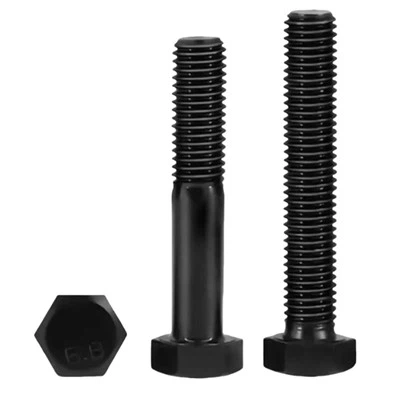
Hey there! As a supplier of Mild Steel Hex Bolts, I've seen a lot of folks scratching their heads when it comes to figuring out the quality of these bolts. So, I thought I'd share some tips on how you can identify the quality of Mild Steel Hex Bolts.
1. Material Composition
First off, let's talk about the material. Mild steel is an alloy, mainly made up of iron and a small amount of carbon. Good - quality mild steel hex bolts should have a carbon content in the right range. Usually, it's around 0.05% - 0.25%. If the carbon content is too high, the bolts can become brittle. On the other hand, if it's too low, the bolts may lack the necessary strength.


You can ask the supplier for a material certificate. This document will tell you the exact chemical composition of the mild steel used in the bolts. It's like a birth certificate for the bolts, showing what they're made of. And if you're into standards, ASTM A307 is a well - known standard for carbon steel fasteners. You can check out ASTM A307 Carbon Steel Bolts to get a better understanding of what the standard requires in terms of material and properties.
2. Surface Finish
The surface finish of a mild steel hex bolt is not just about looks. It can tell you a lot about the quality. A smooth and even surface finish is a good sign. It means the manufacturing process was well - controlled. Rust or rough spots on the surface are red flags. Rust can indicate that the bolts weren't properly protected during storage or manufacturing.
There are different types of surface finishes available, like zinc plating. Zinc plating not only gives the bolts a nice appearance but also provides a layer of protection against corrosion. A well - plated bolt should have a consistent color and no signs of flaking or uneven coating.
3. Thread Quality
The threads on a mild steel hex bolt are crucial. They need to be well - formed and consistent. You can check the thread pitch with a thread gauge. If the threads are too tight or too loose, it can cause problems during installation. The threads should also be free from any burrs or damage.
When you're looking at the threads, make sure they are uniform all the way along the bolt. Any irregularities can lead to a poor connection, which is a big no - no in most applications. And if you're using nuts with the bolts, you might want to check out ASTM A307 Nuts or Carbon Steel Hex Nut to ensure a proper fit.
4. Head and Body Dimensions
The dimensions of the bolt head and the body are important for proper installation and performance. The head should be the right size and shape. It should fit the tools you're using for installation without any issues. For example, a hex - head bolt should have well - defined hexagonal sides.
The body of the bolt should have the correct diameter and length. You can use a caliper to measure these dimensions. If the dimensions are off, it can lead to problems like the bolt not fitting properly into the hole or not providing enough clamping force.
5. Tensile Strength
Tensile strength is a measure of how much pulling force a bolt can withstand before it breaks. Good - quality mild steel hex bolts should have a high tensile strength. You can ask the supplier for the tensile strength rating of the bolts. This information is usually available in the product specifications.
A higher tensile strength means the bolt can handle more stress, which is important in applications where there are heavy loads or vibrations. For example, in construction or machinery, you need bolts that can hold up under pressure.
6. Hardness
Hardness is another important factor. A bolt that is too soft may deform easily, while a bolt that is too hard may be brittle. You can use a hardness tester to check the hardness of the bolt. The hardness should be within the recommended range for mild steel hex bolts.
The hardness of the bolt is related to its material composition and the heat - treatment process it has undergone. A well - heat - treated bolt will have the right balance of hardness and toughness.
7. Testing and Certification
Reputable suppliers should be able to provide test reports and certifications for their mild steel hex bolts. These documents show that the bolts have been tested according to certain standards. For example, they may have been tested for tensile strength, hardness, and corrosion resistance.
Certifications like ISO 9001 indicate that the supplier has a quality management system in place. This gives you more confidence in the quality of the bolts you're buying.
8. Brand Reputation
The brand of the mild steel hex bolts can also be a clue to their quality. Well - known brands usually have a reputation to uphold. They invest in research and development, and they have strict quality control measures in place.
You can read reviews from other customers to get an idea of the brand's reliability. A brand that has been around for a long time and has positive feedback is more likely to offer high - quality products.
Conclusion
Identifying the quality of mild steel hex bolts is not rocket science. By looking at the material composition, surface finish, thread quality, dimensions, tensile strength, hardness, testing and certification, and brand reputation, you can make an informed decision.
If you're in the market for high - quality mild steel hex bolts, don't hesitate to reach out. We're here to help you find the right bolts for your needs. Whether it's for a small DIY project or a large - scale construction job, we've got you covered.
References
- ASTM International standards for carbon steel fasteners
- Industry publications on fastener quality and performance