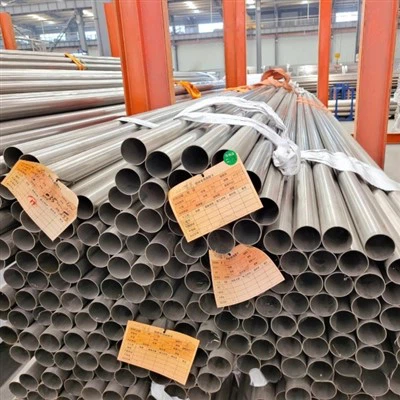
As an alloy steel pipe supplier, I understand the crucial role that proper storage plays in maintaining the quality and integrity of these valuable products. Alloy steel pipes are widely used in various industries, including oil and gas, chemical processing, and construction, due to their exceptional strength, corrosion resistance, and durability. However, improper storage can lead to a range of issues, such as corrosion, damage, and degradation, which can significantly impact the performance and lifespan of the pipes. In this blog post, I will share some essential tips on how to store alloy steel pipes properly to ensure their long-term quality and reliability.
Understanding the Characteristics of Alloy Steel Pipes
Before delving into the storage guidelines, it is important to understand the unique characteristics of alloy steel pipes. Alloy steel is a type of steel that contains various alloying elements, such as chromium, nickel, molybdenum, and vanadium, which enhance its mechanical properties and corrosion resistance. These alloying elements make alloy steel pipes more durable and resistant to harsh environments compared to carbon steel pipes. However, they also require special care during storage to prevent corrosion and other forms of damage.
Choosing the Right Storage Location
The first step in proper alloy steel pipe storage is to choose the right location. The storage area should be dry, well-ventilated, and protected from direct sunlight, moisture, and extreme temperatures. Ideally, the storage facility should be a covered warehouse or a storage shed with a concrete floor to prevent the pipes from coming into contact with the ground, which can cause corrosion.
Preparing the Storage Area
Once you have selected the storage location, it is important to prepare the area before storing the alloy steel pipes. Start by cleaning the storage area thoroughly to remove any dirt, debris, or contaminants that could potentially damage the pipes. Next, ensure that the storage racks or supports are in good condition and can safely hold the weight of the pipes. The racks should be made of a non-corrosive material, such as galvanized steel or plastic, to prevent rust and corrosion.
Organizing the Pipes
Proper organization of the alloy steel pipes is essential to ensure easy access and prevent damage during storage. The pipes should be stored in an orderly manner, with each pipe clearly labeled with its size, grade, and other relevant information. This will make it easier to locate the pipes when needed and prevent mix-ups.
Protecting the Pipes from Corrosion
Corrosion is one of the most common issues that can affect alloy steel pipes during storage. To prevent corrosion, it is important to protect the pipes from moisture and other corrosive elements. One way to do this is to apply a protective coating to the pipes before storage. There are various types of protective coatings available, such as epoxy, polyurethane, and zinc-rich coatings, which can provide excellent corrosion resistance.
Stacking the Pipes
When stacking the alloy steel pipes, it is important to follow some basic guidelines to prevent damage. The pipes should be stacked in a stable and secure manner, with each layer separated by spacers or supports to prevent the pipes from rolling or shifting. The maximum height of the stack should be limited to prevent the pipes from becoming unstable and collapsing.
Monitoring the Pipes
Regular monitoring of the alloy steel pipes during storage is essential to detect any signs of damage or corrosion early on. Inspect the pipes regularly for any signs of rust, dents, or other damage. If any issues are detected, take immediate action to address them to prevent further damage.
Handling the Pipes
Proper handling of the alloy steel pipes is also important to prevent damage during storage and transportation. When handling the pipes, use appropriate lifting equipment, such as cranes or forklifts, to avoid dropping or damaging the pipes. Ensure that the lifting equipment is in good condition and is rated for the weight of the pipes.
Conclusion
Proper storage of alloy steel pipes is essential to maintain their quality and integrity. By following the tips outlined in this blog post, you can ensure that your alloy steel pipes are stored safely and securely, and are ready for use when needed. Remember to choose the right storage location, prepare the storage area, organize the pipes, protect them from corrosion, stack them properly, monitor them regularly, and handle them with care.


If you are interested in purchasing high-quality alloy steel pipes, we offer a wide range of products, including Hastelloy C276 Seamless Pipe, Titanium Alloy Steel Pipe, and Uns N06022 (Din 2.4602) Nickel-Based Corrosion-Resistant Alloy Seamless Tube. Contact us today to discuss your requirements and explore how we can meet your alloy steel pipe needs.
References
- "Alloy Steel Pipes: Properties, Applications, and Storage," Journal of Materials Science and Engineering.
- "Best Practices for Storing Alloy Steel Products," Metalworking Magazine.
- "Corrosion Prevention in Alloy Steel Pipe Storage," International Journal of Corrosion Science and Engineering.