


Hey there! As a carbon steel plate supplier, I often get questions about the fire resistance of carbon steel plates. So, I thought I'd dive into this topic and share some insights with you.
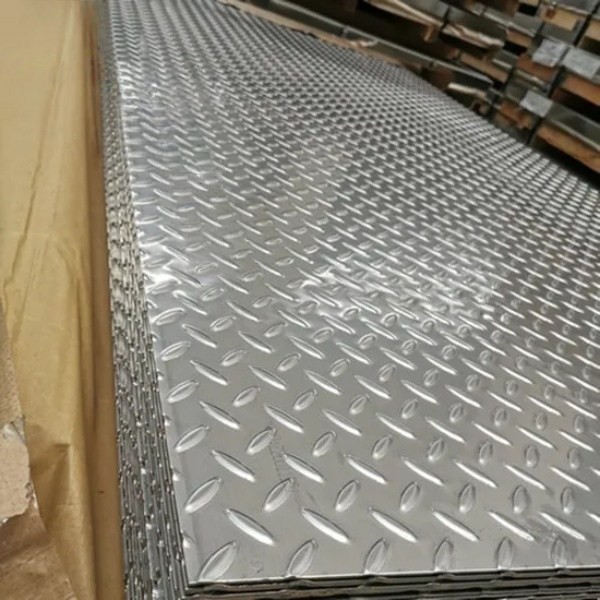

First off, let's talk about what carbon steel is. Carbon steel is a type of steel that contains carbon as the main alloying element. It's one of the most widely used types of steel due to its strength, durability, and affordability. We offer a variety of carbon steel plates, like Carbon Steel Tread Plate, A516 ASTM Carbon Steel Plate, and Q235 Carbon Steel Plate.
Now, onto the main question: what's the fire resistance of carbon steel plate? Well, carbon steel isn't naturally fire - resistant. When exposed to high temperatures, its properties start to change.
At around 200 - 300°C (392 - 572°F), carbon steel begins to lose some of its strength. As the temperature rises further, the changes become more significant. By the time it reaches about 500°C (932°F), it can lose up to half of its room - temperature yield strength. And at around 600 - 650°C (1112 - 1202°F), carbon steel's strength drops dramatically, which can lead to structural failures if it's being used in a load - bearing application.
There are a few reasons for these changes. When heated, the steel's crystal structure starts to transform. The normal ferrite - pearlite structure in carbon steel begins to change into austenite at elevated temperatures. This transformation affects the mechanical properties of the steel, making it softer and less able to withstand loads.
Another factor is oxidation. When carbon steel is exposed to high - temperature environments with oxygen present, it forms iron oxide (rust). Oxidation can weaken the steel over time, especially if the temperature is high enough to accelerate the process. The oxide layer that forms on the surface of the steel can flake off, exposing more of the underlying steel to further oxidation and heat.
But don't worry, there are ways to improve the fire resistance of carbon steel plates. One common method is to use fire - resistant coatings. These coatings act as a barrier between the steel and the heat source. They can insulate the steel, slowing down the rate at which it heats up and reducing the impact of high temperatures on its mechanical properties. There are different types of fire - resistant coatings available, such as intumescent coatings. Intumescent coatings expand when heated, creating a thick, insulating char layer that protects the steel beneath.
Another option is to use fire - resistant alloys or add certain elements to the carbon steel. For example, adding chromium, nickel, or molybdenum can improve the steel's high - temperature properties. These alloying elements can form a more stable oxide layer on the surface of the steel, which helps to protect it from oxidation and maintain its strength at higher temperatures.
In construction, the fire resistance of carbon steel plates is a crucial consideration. Buildings need to meet certain fire - safety standards. If carbon steel is used in structural elements like beams, columns, or floors, it often needs to be protected to ensure that the structure can withstand a fire for a specified period. This is where the use of fire - resistant coatings or proper design techniques comes in. For example, in a high - rise building, steel columns may be encased in fire - resistant materials like concrete or fire - rated boards to keep the steel from reaching critical temperatures during a fire.
In industrial applications, such as in power plants or refineries, carbon steel plates are also used in various equipment. Here, fire resistance is important to prevent equipment failures during potential fire incidents. The equipment may be designed with fire - protection systems or use fire - resistant carbon steel plates to ensure safe operation.
When choosing carbon steel plates for your project, you need to think about the fire - safety requirements. If you're in an area with strict fire - safety codes, you'll definitely want to consider using fire - protected carbon steel. And that's where our diverse range of products can come in handy. Whether you need a Carbon Steel Tread Plate for a flooring application or an A516 ASTM Carbon Steel Plate for a pressure vessel, we can help you find the right solution.
If you're unsure about which type of carbon steel plate is best for your project in terms of fire resistance, our team of experts is here to assist you. We have in - depth knowledge of the different types of carbon steel and their properties at various temperatures. We can recommend the most suitable product for your specific needs, whether it's a standard carbon steel plate with a fire - resistant coating or a specially alloyed steel.
In conclusion, while carbon steel plates aren't naturally fire - resistant, there are effective ways to enhance their fire - resistance. By understanding the factors that affect their performance at high temperatures and using appropriate protection methods, you can use carbon steel plates safely in applications where fire safety is a concern.
If you're interested in purchasing carbon steel plates for your project, whether you need them for construction, industrial use, or any other application, we're here to help. Just reach out to us, and we'll start the conversation about finding the best carbon steel solution for you.
References
- ASM Handbook Volume 1: Properties and Selection: Irons, Steels, and High - Performance Alloys
- "Structural Fire Engineering" by L. L. Bisby, D. A. Nethercot, and M. L. Kodur


