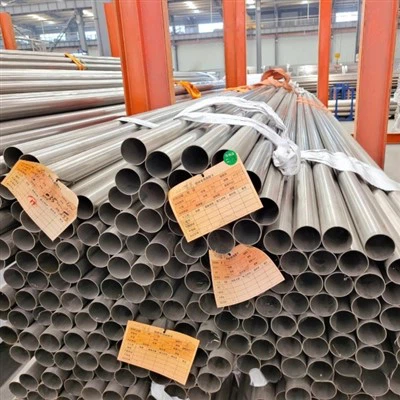
If you're dealing with a leaking carbon steel pipe, it can be a stressful situation. As a carbon steel pipe supplier, I've seen my fair share of pipe - related issues and have gathered a wealth of knowledge on how to address leaks effectively. In this blog, I'll walk you through the steps to take when you encounter a carbon steel pipe leak.
Step 1: Ensure Safety
The first and most crucial step when you discover a carbon steel pipe leak is to prioritize safety. Depending on what the pipe is carrying, there could be various hazards. For example, if it's a Carbon Steel Hydraulic Oil Pipe carrying hydraulic oil, the oil is flammable. So, turn off any potential ignition sources in the vicinity, such as open flames, electrical equipment that could spark, or even static electricity - generating machinery.
If the pipe is part of a gas - delivery system, like a Steel Pipe Oil and Gas Casing, gas leaks can be extremely dangerous due to the risk of explosion or asphyxiation. Evacuate the area immediately and call the appropriate emergency services. Do not attempt to handle the leak yourself if there's a high - risk gas involved.
Step 2: Isolate the Source
Once safety is ensured, the next step is to isolate the source of the leak. Locate the shut - off valves associated with the leaking carbon steel pipe. For a Carbon Steel Line Pipe in a large industrial setting, there may be multiple valves at different points in the pipeline system. Close the nearest upstream valve to stop the flow of the fluid or gas through the leaking section of the pipe.
If the pipe is part of a smaller system, like a plumbing setup in a building, find the main shut - off valve for that particular line. This will prevent further leakage and minimize the damage caused by the escaping substance.
Step 3: Assess the Damage
After isolating the source, carefully assess the extent of the damage to the carbon steel pipe. There are several possible causes of a leak, such as corrosion, physical damage from external forces, or improper installation.
Inspect the area around the leak for signs of corrosion. Carbon steel is prone to rusting when exposed to moisture and oxygen over time. Look for rusty patches, pitting, or thinning of the pipe wall. Physical damage can be identified by visible dents, cracks, or holes in the pipe. If the pipe was recently installed, check the joints to see if they are loose or not properly sealed.
Step 4: Temporary Repairs
In some cases, you may need to perform temporary repairs to stop the leak until a more permanent solution can be implemented. For small leaks caused by pinholes or minor cracks, you can use pipe repair tape. Wrap the tape tightly around the leaking area, following the manufacturer's instructions. This can provide a quick and relatively easy fix to stop the immediate flow.
Another option for temporary repairs is using a pipe clamp. Place the clamp over the leak and tighten it to create a seal. However, keep in mind that these are only short - term solutions and should not be considered a long - term fix.
Step 5: Permanent Repairs
Once you've assessed the damage and made any necessary temporary repairs, it's time to plan for a permanent solution. If the damage is minor, such as a small crack, you may be able to weld the pipe. Welding a carbon steel pipe requires proper skills and equipment. Make sure to clean the area around the crack thoroughly before welding to ensure a strong bond.
For more extensive damage, such as a large hole or severely corroded section, it may be necessary to replace the damaged part of the pipe. Cut out the damaged section using a pipe cutter or a saw, and then install a new piece of carbon steel pipe. Make sure to use the correct size and type of pipe, and properly seal the joints using appropriate fittings and sealants.


Step 6: Testing
After completing the permanent repairs, it's essential to test the pipe to ensure that the leak has been fully resolved. Slowly open the shut - off valve to allow the fluid or gas to flow back into the pipe. Check the repaired area and the entire pipeline system for any signs of leakage.
If the pipe is part of a pressure - based system, use a pressure gauge to monitor the pressure and ensure that it remains stable. If there are any fluctuations or signs of leakage, go back and re - evaluate the repairs.
Step 7: Preventive Measures
To avoid future leaks in carbon steel pipes, it's important to implement preventive measures. Regularly inspect your pipes for signs of corrosion or damage. This can be done through visual inspections or using non - destructive testing methods, such as ultrasonic testing or magnetic particle testing.
Apply a protective coating to the carbon steel pipes to prevent corrosion. There are various types of coatings available, such as epoxy coatings or zinc - based coatings. These coatings act as a barrier between the pipe and the environment, reducing the risk of rusting.
Proper installation is also crucial. Make sure that the pipes are installed correctly, with the right fittings and proper sealing. Follow the manufacturer's guidelines and industry standards during the installation process.
In conclusion, dealing with a leaking carbon steel pipe requires a systematic approach. By following these steps, you can effectively address the leak, minimize damage, and prevent future issues. As a carbon steel pipe supplier, I understand the importance of providing high - quality pipes and the need for proper maintenance. If you're in the market for carbon steel pipes or need advice on pipe maintenance and repair, I encourage you to reach out for more information and to discuss your specific requirements. We can offer a wide range of carbon steel pipes, including Steel Pipe Oil and Gas Casing, Carbon Steel Hydraulic Oil Pipe, and Carbon Steel Line Pipe. Contact us to start the procurement process and ensure that you get the best - suited pipes for your needs.
References
- "Handbook of Carbon Steel Pipe Technology"
- "Practical Guide to Pipe Repair and Maintenance"
- Industry standards and guidelines for carbon steel pipe installation and maintenance.