Comprehensive flange inspection including visual examination, dimensional verification, nondestructive testing, and material certification is essential for ensuring safe, code-compliant flange performance. Flange failures can cause leaks, fires, environmental damage, and personal injury. This guide covers the full range of inspection and quality testing requirements for flanges.
Why Inspection Matters
Flange failures in service can have catastrophic consequences, including process fluid leaks, fires, explosions, environmental contamination, and personnel injury. Inspection verifies that flanges comply with material, dimensional, and code requirements before they are placed in service. Quality assurance through inspection prevents costly field failures and unplanned downtime. Proper inspection ensures that the flange will perform as designed under its specified operating conditions. For critical service applications, inspection is not optional but is mandated by the applicable construction code and the owner's quality requirements.
Visual Inspection
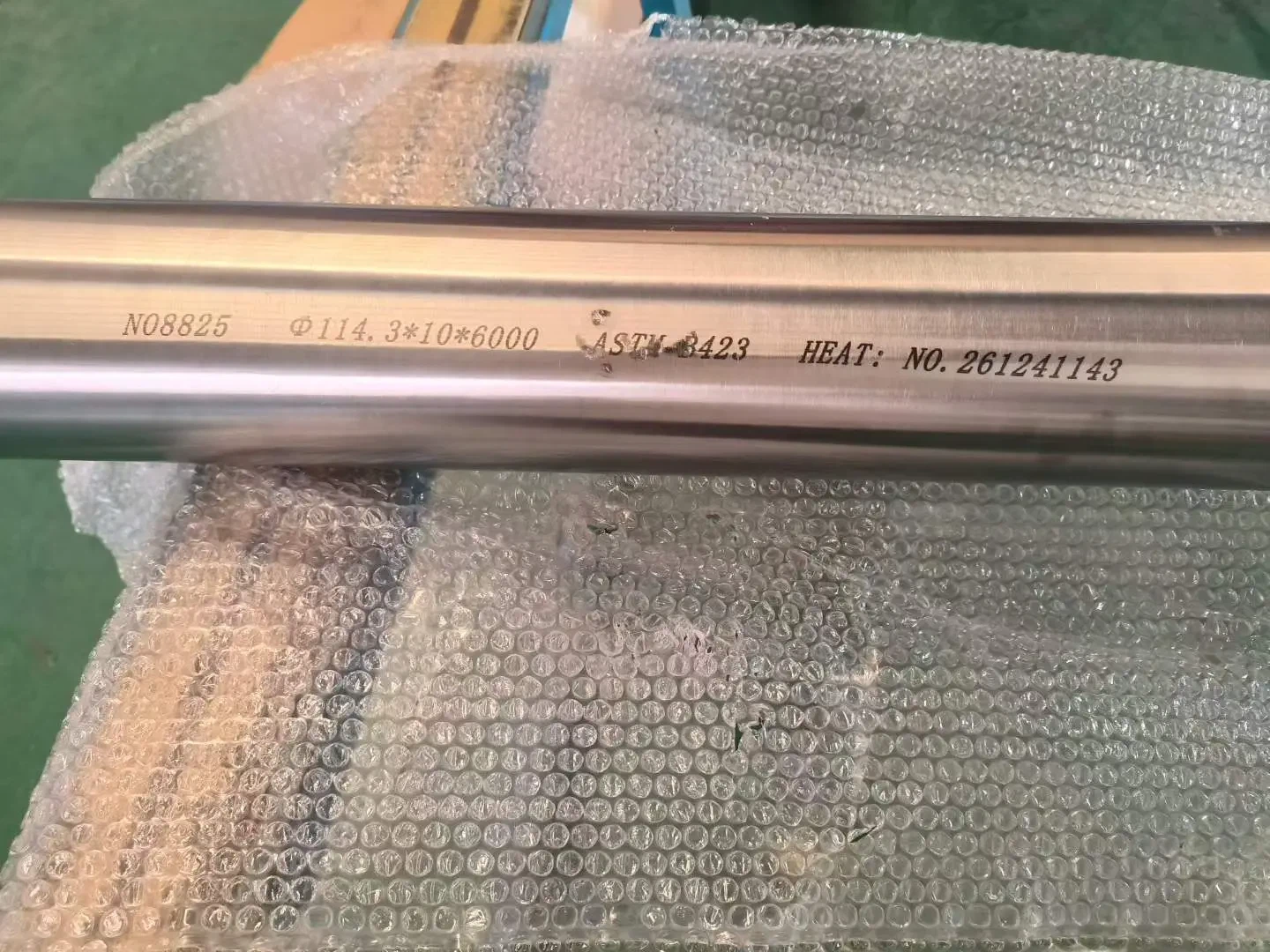
Visual inspection is the first and most fundamental quality check. The inspector examines the flange for surface defects including cracks, laps, seams, and surface porosity. Flange markings are verified per ASME B16.5 requirements, including the manufacturer's name or logo, material designation, pressure class, and heat number. The facing surface condition is inspected for scratches, dents, corrosion, or shipping damage that could affect sealing. Bolt hole alignment and quantity are confirmed against the standard. Rust, scale, and contamination are checked on all sealing surfaces.
Dimensional Inspection
Dimensional inspection verifies that the flange meets the tolerances specified in the applicable standard. Critical measurements include flange outer diameter, overall thickness, and bore diameter. The bolt circle diameter and bolt hole sizes must match the standard dimensions for the stated class and size. Hub dimensions on weld neck and reducing flanges are checked for proper taper and length. Raised face height, diameter, and surface finish are measured. For RTJ flanges, the groove dimensions are verified using specialized gauges. All dimensions must meet ASME B16.5 tolerances.
| Inspection Type | What It Detects | Applicable To | Standard |
|---|---|---|---|
| Visual (VT) | Surface defects, markings, damage | All flanges | ASME B16.5 |
| Dimensional | Size, thickness, bolt hole alignment | All flanges | ASME B16.5 |
| Ultrasonic (UT) | Internal laminations, porosity | Forged and plate flanges | ASTM A388 |
| Magnetic Particle (MT) | Surface and near-surface cracks | Ferromagnetic materials | ASTM E709 |
| Liquid Penetrant (PT) | Surface cracks | Non-magnetic materials | ASTM E165 |
| Radiographic (RT) | Internal voids, inclusions | Cast and welded flanges | ASTM E94 |
| PMI | Material chemistry verification | All alloys | ASTM E1476 |
| Hydrostatic Test | Strength, leaks at 1.5x design | Assembled joints | ASME B31.3 |
Non-Destructive Testing Methods
Several NDT methods are available for flange inspection, each with specific capabilities. Ultrasonic Testing (UT) uses high-frequency sound waves to detect internal laminations, porosity, and inclusions in forged and plate flanges. Magnetic Particle Testing (MT) detects surface and near-surface cracks in ferromagnetic materials using magnetic fields and iron particles. Liquid Penetrant Testing (PT) uses a visible or fluorescent dye to detect surface cracks on non-magnetic materials such as austenitic stainless steel. Radiographic Testing (RT) uses X-rays or gamma rays to detect internal voids and inclusions, primarily used for castings and welded fabrications. Positive Material Identification (PMI) uses X-ray fluorescence or optical emission spectroscopy to verify the material chemistry matches the specification.
Pressure Testing
Hydrostatic pressure testing is the standard method for verifying flange joint integrity. The test pressure is typically 1.5 times the design pressure, held for a sufficient duration to verify no pressure loss. For systems that cannot tolerate water, pneumatic testing with air or inert gas may be used with additional safety precautions. The test pressure is maintained while the joint is inspected for leaks. For low-temperature or cryogenic systems, the hydrostatic test may be performed at ambient temperature with the test pressure adjusted for the lower material strength at elevated test conditions.
Material Certification
Mill Test Reports (MTRs) provide documented evidence of the flange material's chemical composition and mechanical properties. Full traceability from the steel mill to the finished flange is maintained through heat numbers stamped on each flange. Impact test reports are required for low-temperature materials. Hardness test reports are required where NACE MR0175 sour service specifications apply. For critical applications, third-party inspection agencies provide independent verification of material properties and flange quality.
Marking and Traceability
ASME B16.5 requires that each flange be permanently marked with the manufacturer's name or logo, material designation, and pressure class. Additional markings include the heat number, nominal size, and special test designations such as "QT" for quenched and tempered. Marking is applied by low-stress stamping methods to avoid creating stress risers that could initiate cracks. Traceability records are maintained for the entire manufacturing chain, from the original steel melt through forging, heat treatment, machining, and final inspection.
Need Flange Inspection and Certification?
Contact our engineering team for quality-assured flanges with full material traceability and certification.
Flange Products