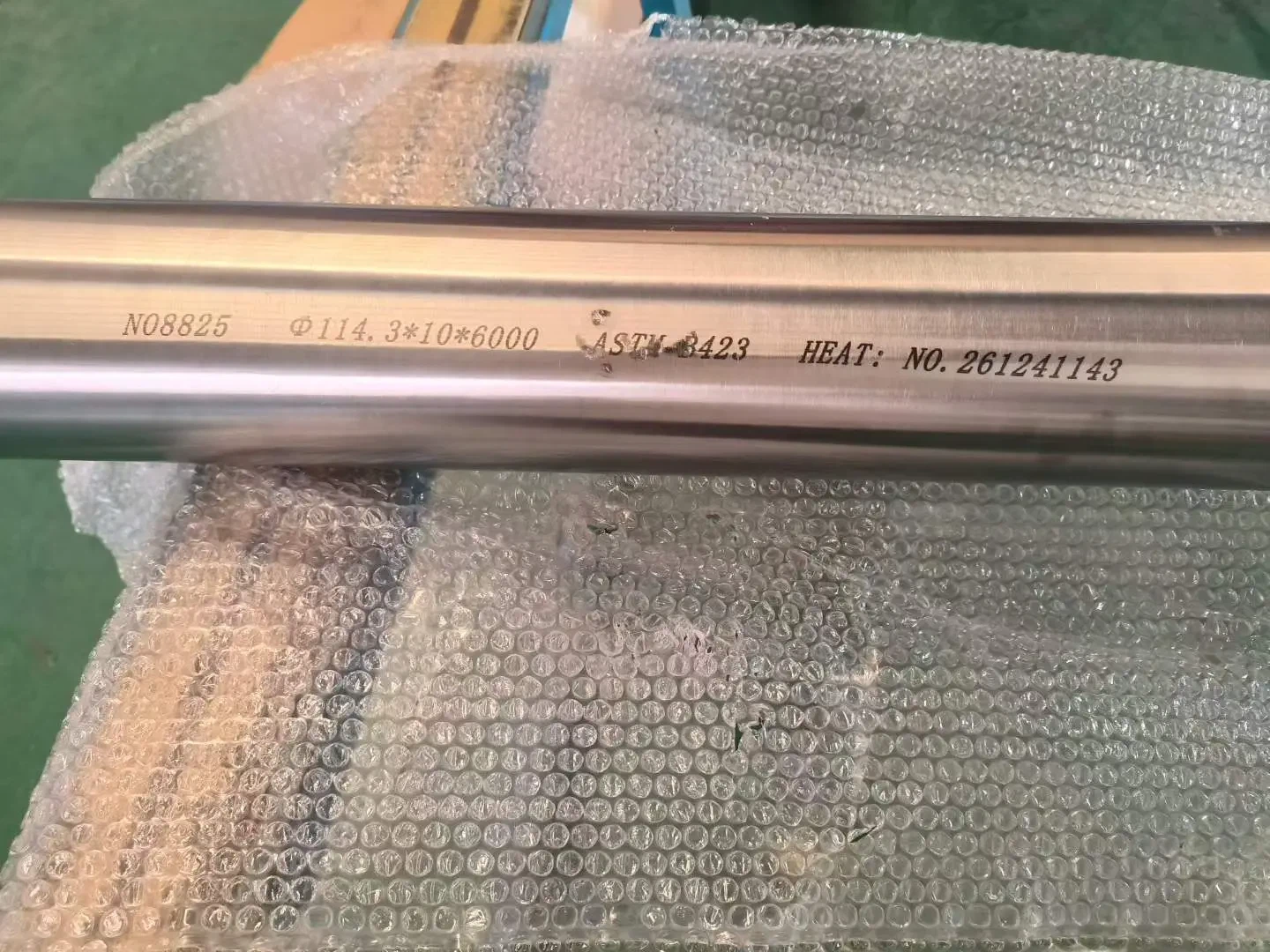
Low-temperature flanges are manufactured from impact-tested materials specially selected to maintain ductility and fracture toughness below the range of standard carbon steel. When temperatures drop below -20°F, standard ASTM A105 carbon steel loses its impact resistance and becomes susceptible to brittle fracture. Low-temperature grades are essential for LNG, cryogenic, and arctic pipeline applications where failure from brittle fracture must be avoided.
What Are Low Temperature Flanges?
Low-temperature flanges are flanges manufactured from materials that have been impact-tested to verify their fracture toughness at the minimum design temperature. Standard carbon steel (ASTM A105) undergoes a ductile-to-brittle transition as temperature decreases, losing its ability to absorb impact energy without cracking. Low-temperature material grades are formulated with controlled chemistry and heat treatment to maintain ductility at sub-zero temperatures. These flanges are governed by ASME B16.5 with additional material requirements specified in the applicable code (ASME B31.3 for process piping) and the material standard itself.
Material Options
The following table summarizes the most common low-temperature flange materials and their minimum service temperatures:
| Material Standard | Grade | Min Design Temp | Key Features | Typical Application |
|---|---|---|---|---|
| ASTM A350 | LF2 | -50°F | Most common low-temp carbon steel | LNG, refrigerated services |
| ASTM A350 | LF3 | -150°F | Enhanced low-temp toughness | Cryogenic gas processing |
| ASTM A182 | F304L | -425°F | Austenitic stainless, excellent cryogenic properties | LNG, liquid nitrogen |
| ASTM A182 | F316L | -425°F | Low-carbon, corrosion-resistant cryogenic | Corrosive cryogenic service |
| ASTM A182 | F51 (2205) | -50°F | Duplex, limited low-temp use | Sour gas, low-temp marine |
A350 LF2 is the workhorse low-temperature carbon steel grade, providing good toughness down to -50°F at a moderate cost premium over A105. For colder services down to -150°F, A350 LF3 with its higher nickel content provides enhanced toughness. For cryogenic temperatures below -150°F, austenitic stainless steels such as F304L and F316L are required because their face-centered cubic crystal structure remains ductile at any temperature.
Pressure-Temperature Ratings
The pressure-temperature ratings for low-temperature flanges follow the standard ASME B16.5 tables for each material group. Austenitic stainless steels retain their mechanical properties exceptionally well at cryogenic temperatures, actually becoming stronger as temperature decreases. Carbon steel ratings decrease significantly at low temperatures, and some material classes may be derated below certain temperatures. The minimum design temperature for each material is determined by the material's impact test qualification temperature, not by arbitrary limits.
Impact Testing Requirements
Charpy V-Notch (CVN) impact testing is the standard method for verifying low-temperature toughness. ASME B31.3 and ASME B16.5 require impact testing for all carbon steel and low-alloy steel flanges used below -20°F. The test is performed on specimens taken from the finished flange or from representative test pieces that receive the same heat treatment. Minimum energy values are specified in the material standard and vary by material grade and minimum design temperature. The test temperature must be at or below the minimum design temperature. Impact testing is also required on weld metal and heat-affected zones for welded fabrications.
Applications
Low-temperature flanges are critical components in LNG processing, storage, and transportation facilities where temperatures can reach -260°F. Cryogenic gas separation and air liquefaction plants separate air into oxygen, nitrogen, and argon at extremely low temperatures. Refrigeration and cold box systems in chemical plants operate at low temperatures. Arctic and subarctic pipeline facilities face ambient temperatures that require low-toughness materials throughout the system. Liquid nitrogen and liquid oxygen handling systems require materials that remain ductile at their storage temperatures.
Certification and Traceability
Material test reports (MTRs) for low-temperature flanges must include impact test results showing the absorbed energy values for each test specimen. Full traceability from the steel melt to the finished flange is required, with heat numbers stamped on each flange for identification. Third-party inspection is often specified for critical low-temperature service to provide independent verification of material properties. Positive Material Identification (PMI) testing of material chemistry before installation provides additional quality assurance.
The key takeaway is to always specify impact-tested low-temperature materials for any flanged connection below -20°F. Using standard carbon steel below its impact transition temperature creates a risk of catastrophic brittle fracture that must be avoided at all costs.
Need Low-Temperature Flanges?
Contact our engineering team for expert low-temperature flange selection and material certification support.
Flange Products