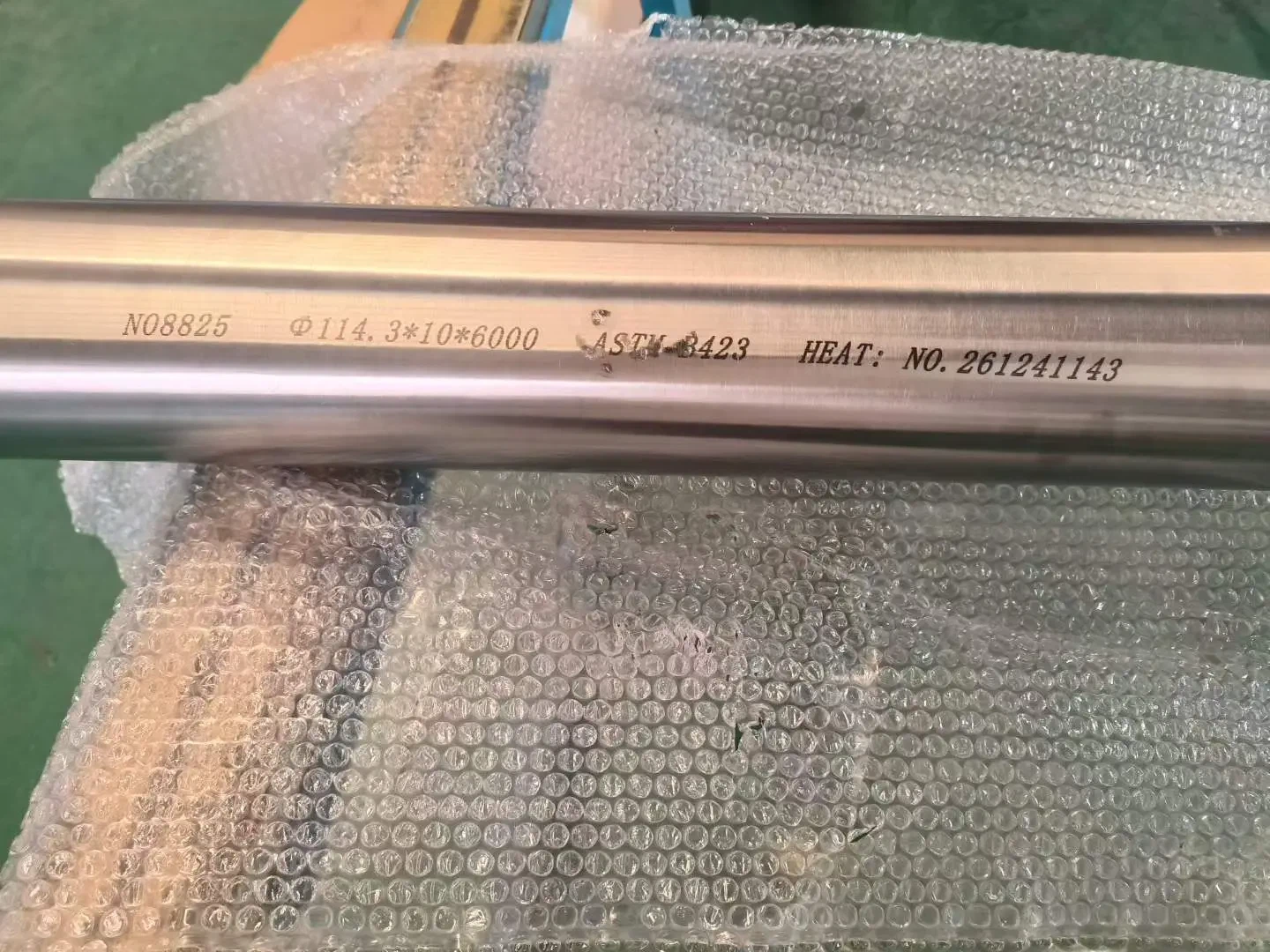
In global steel procurement, engineers frequently encounter the need to convert material grades between different standard systems - ASTM (American), EN (European), JIS (Japanese), and GB (Chinese). While these grades are often considered equivalent, important differences exist in chemistry, heat treatment, and testing requirements. This guide provides a practical reference for grade equivalency across the four major standards, with essential precautions to ensure correct material selection.
Why Do We Need Material Standard Equivalents?
International engineering projects routinely specify materials from multiple standard systems. A European-designed chemical plant may call for EN 10216-2 P235GH pipe, while the fabricator sources from a Chinese mill that uses GB/T 8163 20#. An American oil and gas project in Asia may accept JIS G3454 STPG 370 as an equivalent to ASTM A106 Gr.B. Understanding equivalents enables cross-standard sourcing without compromising quality. Using incorrect equivalents - for example, substituting a grade with lower impact toughness - can lead to brittle fracture failures in critical service.
Overview of Four Major Standard Systems
ASTM International develops voluntary consensus standards that are the most widely referenced in the Americas and Middle East oil and gas projects. EN (European Norm) standards, managed by CEN, are mandatory for CE-marked pressure equipment under PED. JIS (Japanese Industrial Standards) are common in Asian projects and for Japanese-designed facilities. GB (Guobiao) standards issued by the Standardization Administration of China govern domestic Chinese production and are increasingly encountered in Belt and Road initiative projects worldwide. Each system has its own designation logic, testing frequencies, and supplementary requirements.
Carbon Steel Pipe Grade Equivalents
| ASTM | EN | JIS | GB |
|---|---|---|---|
| A106 Gr.B | EN 10216-2 P235GH | JIS G3454 STPG 370 | GB/T 8163 20# |
| API 5L Gr.B | EN ISO 3183 L245 | JIS G3456 STPG 410 | GB/T 9711 L245 |
| A53 Gr.B | EN 10217-1 P235TR1 | JIS G3452 SGP | GB/T 3091 Q235B |
| A333 Gr.6 | EN 10216-4 10Ni9 | JIS G3460 STPL 380 | GB/T 18984 09DG |
Alloy Steel Pipe Grade Equivalents
| ASTM | EN | JIS | GB |
|---|---|---|---|
| A335 P11 (1.25Cr-0.5Mo) | EN 10216-2 13CrMo4-5 | JIS G3462 STPA 11 | GB 5310 15CrMoG |
| A335 P22 (2.25Cr-1Mo) | EN 10216-2 10CrMo9-10 | JIS G3462 STPA 22 | GB 5310 12Cr2MoG |
| A335 P91 (9Cr-1Mo-V) | EN 10216-2 X10CrMoVNb9-1 | JIS G3462 STPA 26 | GB 5310 10Cr9Mo1VNb |
| A335 P5 (5Cr-0.5Mo) | EN 10216-2 X11CrMo5-1 | JIS G3462 STPA 25 | GB 5310 12Cr5MoG |
Stainless Steel Pipe Grade Equivalents
| ASTM | EN | JIS | GB |
|---|---|---|---|
| TP304 (0Cr18Ni9) | EN 10216-5 X5CrNi18-10 | JIS G3459 SUS 304 | GB/T 14976 06Cr19Ni10 |
| TP316 (0Cr17Ni12Mo2) | EN 10216-5 X5CrNiMo17-12-2 | JIS G3459 SUS 316 | GB/T 14976 06Cr17Ni12Mo2 |
| TP316L (00Cr17Ni14Mo2) | EN 10216-5 X2CrNiMo17-12-2 | JIS G3459 SUS 316L | GB/T 14976 022Cr17Ni12Mo2 |
| TP321 (0Cr18Ni10Ti) | EN 10216-5 X7CrNiTi18-10 | JIS G3459 SUS 321 | GB/T 14976 06Cr18Ni11Ti |
Flange Material Grade Equivalents
| ASTM | EN | JIS | GB |
|---|---|---|---|
| A105 (carbon steel flange) | EN 1092-1 P250GH | JIS B2220 S20C | GB/T 9119 20# |
| A182 F304 (SS flange) | EN 1092-1 X5CrNi18-10 | JIS B2220 SUS 304 | GB/T 9119 06Cr19Ni10 |
| A182 F316 (SS flange) | EN 1092-1 X5CrNiMo17-12-2 | JIS B2220 SUS 316 | GB/T 9119 06Cr17Ni12Mo2 |
| A182 F51 (duplex flange) | EN 1092-1 X2CrNiMoN22-5-3 | JIS B2220 SUS 329J3L | GB/T 9119 022Cr22Ni5Mo3N |
Bolt Material Grade Equivalents
| ASTM | EN | JIS | GB |
|---|---|---|---|
| A193 B7 (Cr-Mo steel) | EN 10269 42CrMo4 | JIS G4107 SNB7 | GB/T 3077 42CrMo |
| A193 B8 (304 SS) | EN 10269 X5CrNi18-10 | JIS G4107 SUS 304 | GB/T 1220 06Cr19Ni10 |
| A320 L7 (low-temp) | EN 10269 42CrMo4 | JIS G4107 SNB7-3 | GB/T 3077 42CrMo |
Equivalence Precautions
Equivalent does not mean identical. Key differences exist in chemical composition limits (e.g., sulfur and phosphorus maxima), heat treatment requirements (normalized vs. as-rolled), and mandatory testing frequencies. Impact toughness requirements differ significantly: EN standards often require Charpy V-Notch testing as standard, while ASTM may list it as a supplementary requirement. The safest practice is to procure to the original standard specified in the purchase order. When substitution is necessary, written approval from the project engineer is recommended, supported by a documented equivalency analysis.
How to Use the Equivalent Table
To convert from one standard to another, first identify the grade from the original standard, then locate the corresponding grade in the target standard using the tables above. Always verify the specification scope: pipe, plate, flange, and bar of the same nominal grade may have different supply conditions. GB standards have been systematically revised in recent years - older designations (1Cr18Ni9) differ from current ones (06Cr19Ni10). For special projects, if the specified standard is not available, contact ManufacturerPipe for a documented equivalency review.
Frequently Asked Questions
Q: Can DIN standards still be used? A: DIN standards have been largely replaced by EN standards. Where a current EN exists, the old DIN number (e.g., DIN 1629, DIN 17175) is obsolete. Q: Can JIS and ASTM be interchanged? A: With caution - the same nominal grade designation (e.g., SUS 304 vs. TP304) may have different tolerances and testing requirements. Always verify the full specification. Q: What is special about China's GB standards? A: GB standards have been systematically harmonized with ISO and ASTM equivalents in recent years, making substitution easier. However, GB grades often have different carbon ranges and may require additional testing to meet ASTM or EN requirements.
Global Standards, One Supplier
ManufacturerPipe produces to ASTM, EN, JIS, and GB standards across all product categories - pipe, flange, fittings, and fasteners. Whatever standard your project requires, we can meet it.