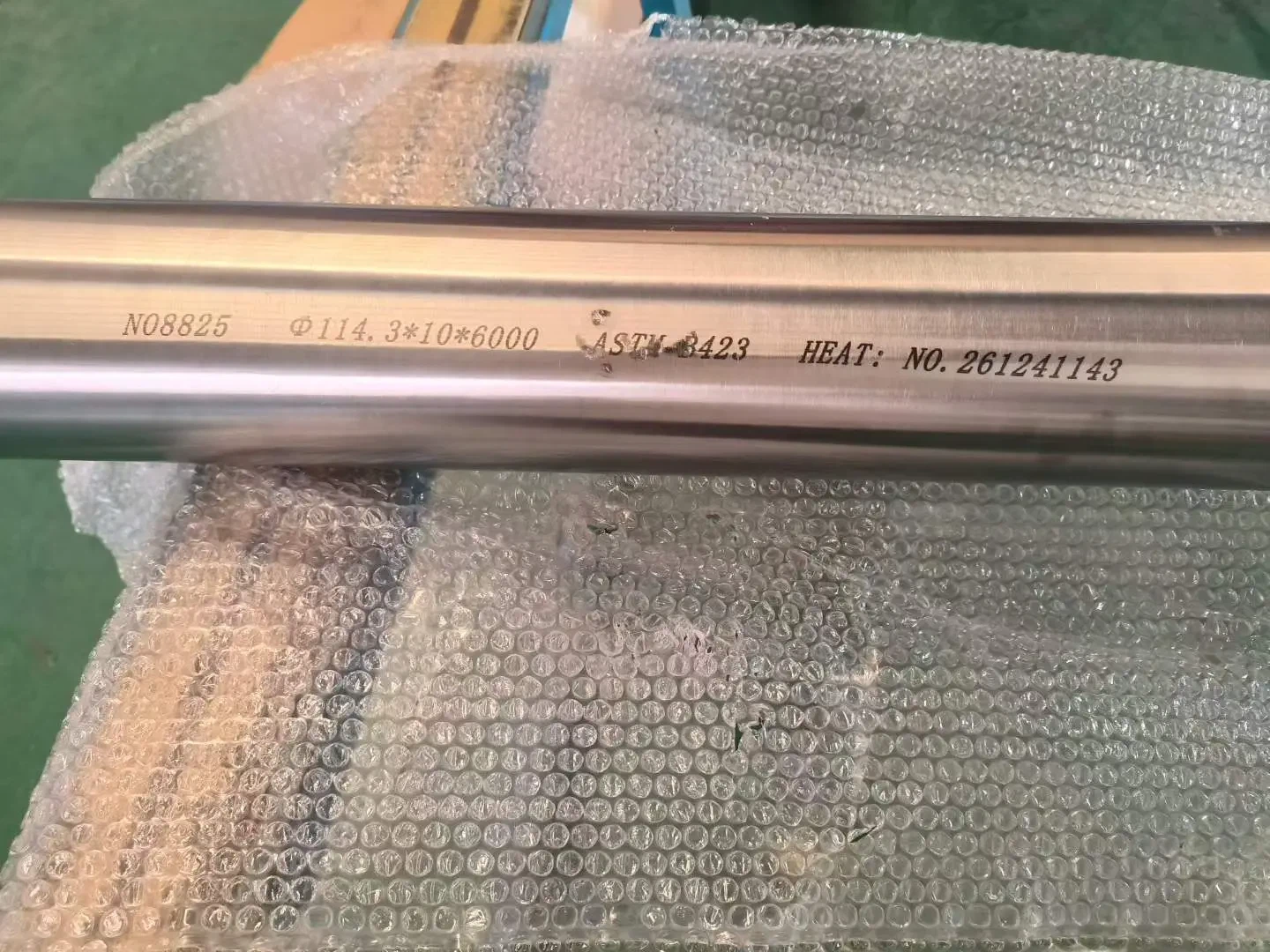
Three primary approaches exist for protecting flanges from corrosion: using a solid corrosion-resistant alloy, applying a zinc coating, or using an applied barrier coating system. Each option offers different levels of protection, cost, and maintenance requirements. Selecting the wrong approach leads to flange degradation, leakage, and system failure. This guide compares stainless steel, galvanized, and coated flanges to help you choose the most cost-effective solution for your environment.
Corrosion Protection Options Overview
The choice between solid stainless steel, galvanized (zinc-coated), and coated (barrier-protected) flanges depends on the service environment, expected service life, cost constraints, and maintenance philosophy. Stainless steel offers inherent corrosion resistance throughout the flange cross-section but at a higher initial cost. Galvanized flanges use sacrificial zinc protection that is economical for atmospheric service. Coated flanges apply a barrier layer between the steel and the environment, suitable for buried and submerged service. The wrong selection can lead to premature flange failure, leakage, and costly plant downtime.
Stainless Steel Flanges
Stainless steel flanges provide corrosion resistance through their alloy chemistry, primarily chromium which forms a passive oxide layer on the surface. Austenitic grades 304 and 316 are the most common stainless flange materials. Grade 304 (ASTM A182 F304) offers good general corrosion resistance for most environments including water, mild chemicals, and atmospheric exposure. Grade 316 (ASTM A182 F316) adds molybdenum, which significantly improves pitting resistance in chloride-containing environments such as coastal atmospheres and chemical processing. Duplex grades like 2205 (F51) and 2507 (F53) offer higher strength and excellent stress corrosion cracking resistance for marine and sour gas applications.
Galvanized Flanges
Hot-dip galvanizing applies a zinc coating to carbon steel flanges through immersion in molten zinc at approximately 840°F. The zinc coating provides sacrificial (cathodic) protection to the underlying steel, meaning the zinc corrodes preferentially to protect the steel at any exposed areas such as cut edges or scratches. Coating thickness typically ranges from 70 to 150 microns per ASTM A123. Galvanized flanges are suitable for atmospheric corrosion environments and water service. However, they cannot be used above 390°F because the zinc coating becomes brittle, and zinc embrittlement of the steel substrate is a concern at elevated temperatures.
Coated Flanges
Applied coating systems use barrier protection to isolate the steel flange from the corrosive environment. Several technology options exist:
| Coating Type | Typical Thickness | Max Temperature | Primary Application | Relative Cost |
|---|---|---|---|---|
| Fusion-Bonded Epoxy (FBE) | 300 - 500 microns | 250°F | Buried pipelines, submerged service | Medium |
| Liquid Epoxy | 200 - 400 microns | 300°F | Field touch-up, repair | Medium |
| Polyurethane | 300 - 600 microns | 250°F | Chemical containment, splash zones | Medium-High |
| PTFE/Fluoropolymer | 100 - 300 microns | 500°F | Aggressive chemical resistance | High |
| Zinc-Rich Primer | 50 - 100 microns | 400°F | Base coat in multi-layer systems | Low |
Cost Comparison
The initial cost of a stainless steel flange is typically 2 to 5 times that of a comparable carbon steel flange. Galvanized flanges add a 20-40% premium over bare carbon steel. Coated flanges (FBE or epoxy) add 30-60% depending on the coating system complexity. However, lifecycle cost analysis often favors stainless steel in severe environments over 20+ years because it requires no maintenance or recoating. Galvanized and coated flanges are more economical for shorter service life expectations or where the environment is mild enough that the coating will last the design life.
Application Suitability
Stainless steel flanges are the correct choice for chemical process plants, marine installations, food and pharmaceutical facilities, and any corrosive environment where long life without maintenance is required. Galvanized flanges are suitable for water treatment plants, cooling water systems, outdoor structures, and utility piping where atmospheric corrosion is the primary concern. Coated flanges are ideal for buried pipelines, wastewater treatment, chemical containment areas, and splash zone applications. When mixing material types, avoid galvanic corrosion by using insulating gaskets and washers between dissimilar metals in the same joint.
The key takeaway is to balance upfront cost against expected service life and maintenance costs for your specific environment. In severe corrosive conditions, stainless steel is the most economical choice over the full lifecycle despite its higher initial cost.
Need Corrosion Protection Advice?
Contact our engineering team for expert flange material and coating selection guidance.