Introduction to Pipe Sizing Systems
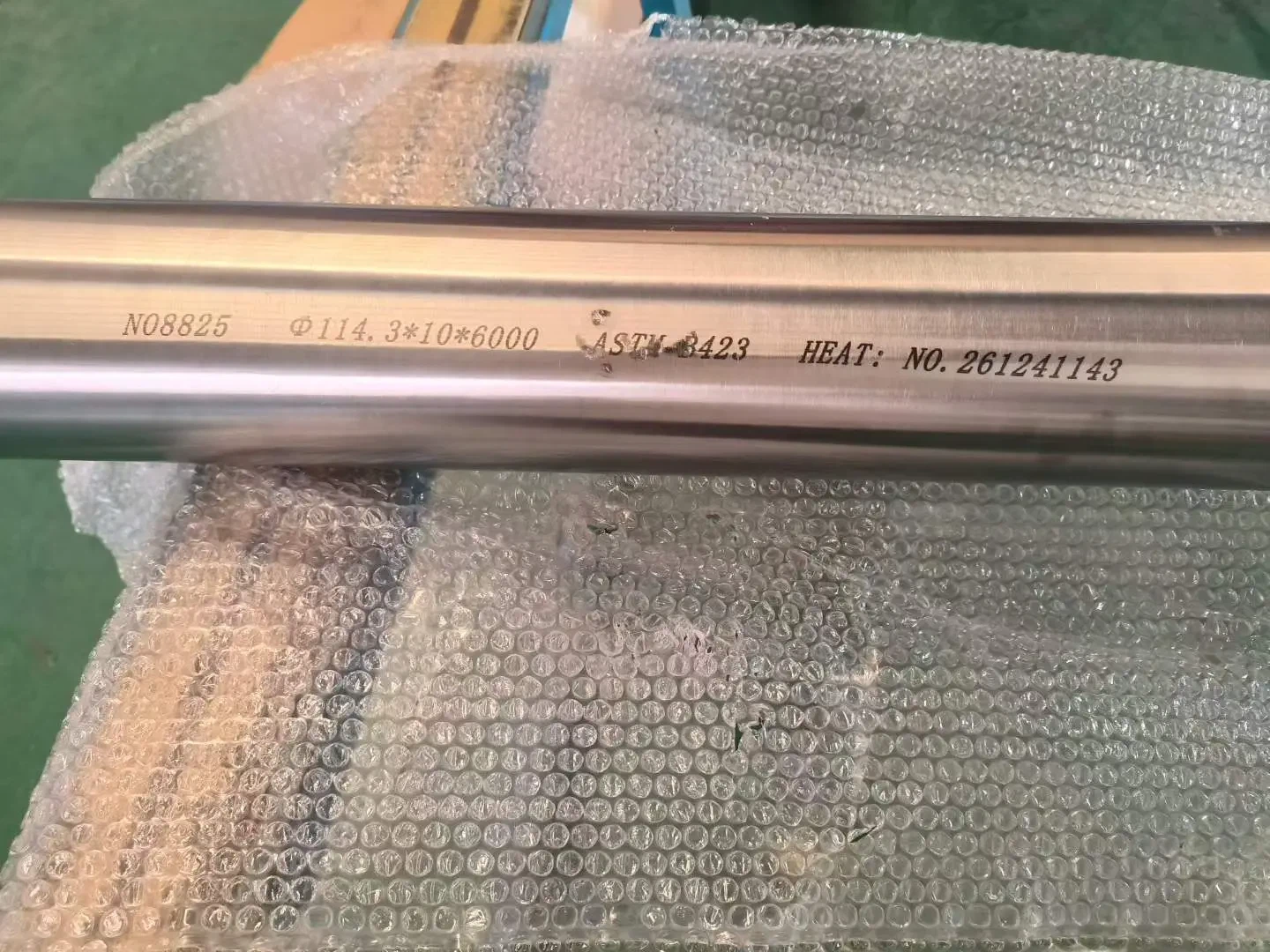
Pipe sizing can be confusing because there are multiple naming systems in global use. Nominal Bore (NB) is the inch-based designation used primarily in North America and regions following US standards. Diameter Nominal (DN) is the metric equivalent used in European and ISO standards. Both NB and DN refer to the nominal size, not the actual outside diameter (OD). This distinction is critical: a 4-inch pipe (NB 4" or DN 100) has an actual OD of 114.3 mm (4.5 inches), not 100 mm or 4 inches.
The origin of this discrepancy lies in the historical development of pipe sizing. Early cast iron pipes were sized by their approximate internal diameter, and the nominal size was inherited from these historical dimensions. Modern steel pipe has standardized outside diameters regardless of wall thickness, meaning the nominal size is merely a label that no longer corresponds to any actual dimension. For example, both SCH 40 and SCH 80 4-inch pipe have the same OD of 114.3 mm, but different internal diameters due to wall thickness differences.
Complete Pipe Size Conversion Chart
Small Bore: 1/2" (DN15) to 4" (DN100)
| NB (inch) | DN (mm) | OD (mm) | OD (inch) | SCH 40 WT (mm) | SCH 80 WT (mm) |
|---|---|---|---|---|---|
| 1/2" | 15 | 21.3 | 0.840 | 2.77 | 3.73 |
| 3/4" | 20 | 26.7 | 1.050 | 2.87 | 3.91 |
| 1" | 25 | 33.4 | 1.315 | 3.38 | 4.55 |
| 1-1/2" | 40 | 48.3 | 1.900 | 3.68 | 5.08 |
| 2" | 50 | 60.3 | 2.375 | 3.91 | 5.54 |
| 3" | 80 | 88.9 | 3.500 | 5.49 | 7.62 |
| 4" | 100 | 114.3 | 4.500 | 6.02 | 8.56 |
Medium Bore: 5" (DN125) to 12" (DN300)
| NB (inch) | DN (mm) | OD (mm) | OD (inch) | SCH 40 WT (mm) | SCH 80 WT (mm) |
|---|---|---|---|---|---|
| 5" | 125 | 141.3 | 5.563 | 6.55 | 9.53 |
| 6" | 150 | 168.3 | 6.625 | 7.11 | 10.97 |
| 8" | 200 | 219.1 | 8.625 | 8.18 | 12.70 |
| 10" | 250 | 273.1 | 10.750 | 9.27 | 12.70 |
| 12" | 300 | 323.9 | 12.750 | 9.53 | 12.70 |
Large Bore: 14" (DN350) to 48" (DN1200)
| NB (inch) | DN (mm) | OD (mm) | OD (inch) | SCH 40 WT (mm) |
|---|---|---|---|---|
| 14" | 350 | 355.6 | 14.000 | 9.53 |
| 16" | 400 | 406.4 | 16.000 | 9.53 |
| 18" | 450 | 457.2 | 18.000 | 9.53 |
| 20" | 500 | 508.0 | 20.000 | 9.53 |
| 24" | 600 | 609.6 | 24.000 | 9.53 |
| 36" | 900 | 914.4 | 36.000 | 9.53 (STD) |
| 48" | 1200 | 1219.2 | 48.000 | 9.53 (STD) |
Note that for 14" and above, the nominal size in inches equals the actual OD in inches due to a change in the sizing system for large-diameter pipe. This is because large-diameter pipe typically uses the actual OD as the nominal designation.
NB vs DN vs Inch: Three Labeling Systems Conversion
The conversion between NB (inches) and DN (mm) follows a simple approximate relationship: DN = 25 x NB (inches). For example, 2 inch = DN50 (2 x 25), 4 inch = DN100 (4 x 25), 6 inch = DN150 (6 x 25), and 8 inch = DN200 (8 x 25). This approximation is accurate enough for practical purposes, though the exact DN values are standardized in ISO 6708. The inch system uses fractional and decimal inch designations (1/2", 3/4", 1", 1-1/2", 2", 3", 4", 6", 8", 10", 12", etc.), with sizes above 14" typically using the actual OD in inches. In China's GB standard system, DN is used almost exclusively, though inch designations are understood in international trade.
Pipe Outside Diameter (OD) Explained
A critical characteristic of the pipe sizing system is that the outside diameter remains constant for a given nominal size, regardless of wall thickness. This means a 4-inch SCH 40 pipe and a 4-inch SCH 80 pipe have exactly the same OD (114.3 mm), but different inside diameters due to different wall thicknesses. This fixed-OD design allows the use of standard fittings, flanges, and valves for any schedule of the same nominal size. The dimensional tolerances for OD are specified in ASME B36.10 (carbon steel) and B36.19 (stainless steel), typically ±1% for sizes up to 48".
Engineering Principles for Pipe Sizing
Pipe size selection in engineering design balances flow requirements against pressure drop and cost. Higher flow rates require larger diameters to keep flow velocity within acceptable limits. For liquid systems, typical design velocities are 1-3 m/s, while for gas systems, velocities can reach 15-30 m/s depending on pressure and application. The relationship between flow rate, velocity, and diameter is: Q = A x V, where Q is flow rate, A is cross-sectional area, and V is velocity. Pressure drop increases exponentially with velocity (Darcy-Weisbach equation), so increasing pipe diameter reduces pumping energy requirements but increases material and installation costs. The optimal pipe size minimizes total lifecycle cost.
Pipe Weight Calculation
The weight of steel pipe per unit length is calculated using the formula: W = (OD - WT) x WT x 0.02466, where W is in kg/m, OD is outside diameter in mm, and WT is wall thickness in mm. The factor 0.02466 accounts for the density of steel (7850 kg/m3). For example, a 4-inch SCH 40 pipe (OD 114.3 mm, WT 6.02 mm) has a unit weight of (114.3 - 6.02) x 6.02 x 0.02466 = 16.08 kg/m. For stainless steel, the density is slightly higher (7930 kg/m3), so the factor becomes 0.02491. This weight calculation is essential for structural loading calculations, transportation logistics, and material costing.
Size Differences Across Standards
While ASME B36.10 and B36.19 are the most widely referenced pipe sizing standards, other regions use different standards. EN 10220 and EN 1127 define European pipe sizes with metric ODs that may differ slightly from ASME values for some sizes. JIS G3452 and G3454 use Japanese pipe sizes that generally follow ASME ODs but have different wall thickness schedules. GB/T 17395 and GB/T 8163 define Chinese pipe sizes, which for most common sizes align with ASME standards. Always specify the governing standard when ordering pipe for a project, as connecting pipes from different standards may cause dimensional mismatches.
How to Inquire Pipe Size
When requesting a quotation, always specify: nominal size (NB or DN), pipe schedule (e.g., SCH 40), material grade (e.g., A106 Gr.B), length (random or fixed, typically 6m or 12m), and applicable standard (ASTM, EN, JIS, or GB). For non-standard sizes, provide the actual OD and wall thickness required. ManufacturerPipe supplies pipe from 1/2" to 48" in all standard schedules and can accommodate non-standard sizes for special projects.
Need Pipe Size Assistance?
Contact our engineering team for help with pipe size selection and competitive pricing across all sizes and schedules.
Get a QuoteProduct Categories