As a flange supplier deeply entrenched in the industry, I've witnessed firsthand how improvements in flange design can have a profound impact on performance. Flanges are critical components in various piping systems, serving as connectors that join pipes, valves, pumps, and other equipment. Their design directly influences the efficiency, safety, and longevity of these systems. In this blog post, I'll explore the ways in which advancements in flange design enhance performance and why they matter.
1. Enhanced Sealing Performance
One of the primary functions of a flange is to create a leak - tight seal between two components in a piping system. Traditional flange designs often relied on simple gaskets and basic bolt - tightening methods. However, modern flange designs have introduced several improvements to enhance sealing performance.
New materials for gaskets have been developed, such as high - performance elastomers and composite materials. These materials offer better resistance to temperature, pressure, and chemical corrosion. For example, in high - temperature applications, graphite - based gaskets can maintain their sealing properties even at extreme heat, preventing leaks that could lead to system failures or safety hazards.
In addition to gasket materials, the design of the flange face has also evolved. Raised face flanges, for instance, provide a better sealing surface compared to flat face flanges. The raised area concentrates the pressure on the gasket, ensuring a more effective seal. Some advanced designs incorporate serrated or grooved flange faces, which further improve the grip on the gasket and enhance sealing integrity.
Our company offers a wide range of flanges with excellent sealing performance, including the Flat Welding Steel Flange. This type of flange is designed to provide a reliable seal in various applications, thanks to its well - engineered flange face and high - quality gaskets.
2. Improved Structural Integrity
Flanges need to withstand significant mechanical stresses, including pressure, vibration, and thermal expansion. Over time, these stresses can cause fatigue and damage to the flange, leading to failures. Modern flange designs address these issues by improving the structural integrity of the flanges.
Advanced manufacturing techniques, such as forging and precision machining, are used to create flanges with uniform grain structures and precise dimensions. This results in flanges that are stronger and more resistant to cracking and deformation. For example, forged flanges have a denser and more consistent internal structure compared to cast flanges, making them better able to handle high - pressure applications.
The shape and geometry of the flange have also been optimized. Some flanges are designed with thicker walls or reinforced sections in areas where stress concentrations are likely to occur. This helps to distribute the load more evenly across the flange, reducing the risk of failure. Our A105 Carbon Steel Flange is a prime example of a flange with enhanced structural integrity. It is forged to ensure high strength and durability, making it suitable for demanding industrial applications.
3. Compatibility with Different Media
Piping systems can carry a wide variety of media, including liquids, gases, and corrosive substances. Flange design has evolved to ensure compatibility with different types of media.
In corrosive environments, flanges are now made from corrosion - resistant materials such as stainless steel, duplex steel, or nickel - based alloys. These materials can withstand the chemical attack of acids, alkalis, and other corrosive agents, extending the service life of the flange. For example, in the chemical processing industry, where pipes often carry highly corrosive chemicals, stainless steel flanges are commonly used to prevent corrosion and ensure system reliability.
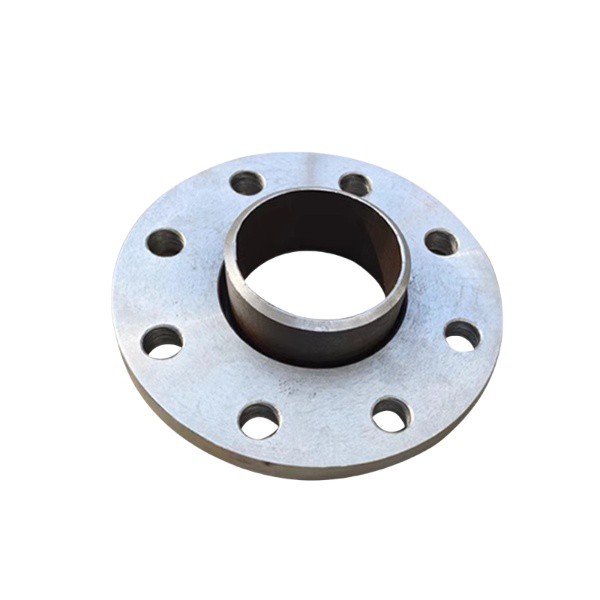
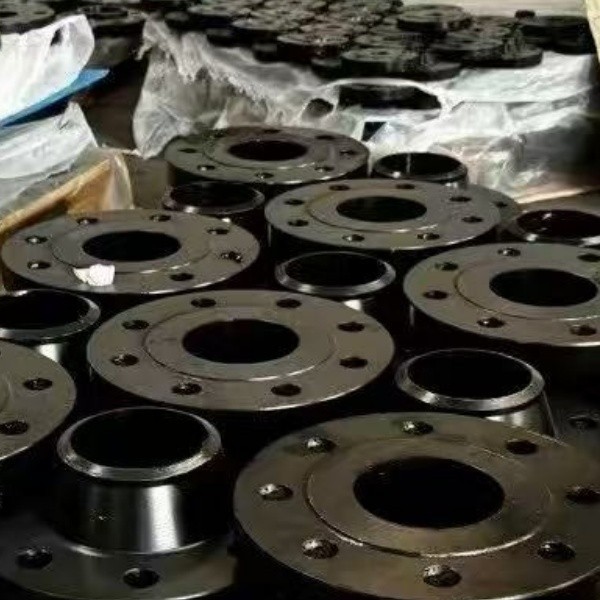
Flange designs also take into account the flow characteristics of the media. Smooth - bore flanges, for instance, reduce turbulence and pressure drop in the piping system, improving the efficiency of fluid flow. This is particularly important in applications where energy efficiency is a concern, such as in oil and gas pipelines. Our Carbon Steel Slip On Flange is available in different materials to suit various media, ensuring optimal performance in different operating conditions.
4. Ease of Installation and Maintenance
Improvements in flange design have also made installation and maintenance easier. Traditional flanges often required complex alignment procedures and specialized tools for installation. Modern flange designs, on the other hand, are more user - friendly.
Some flanges feature self - aligning mechanisms or quick - connect designs, which reduce the time and effort required for installation. For example, slip - on flanges are relatively easy to install as they can be simply slipped over the pipe and welded in place. This not only speeds up the installation process but also reduces the chances of installation errors.
Maintenance is also simplified with modern flange designs. Accessible bolt holes and removable gaskets make it easier to inspect and replace components when necessary. This reduces downtime and maintenance costs for the end - user.
5. Cost - Effectiveness
While the initial cost of advanced flange designs may be higher than traditional ones, they offer long - term cost savings. The improved performance and durability of modern flanges mean fewer replacements and repairs over the life of the piping system.
For example, a high - quality flange with excellent sealing performance and structural integrity is less likely to leak or fail, reducing the risk of costly downtime and product loss. In addition, the compatibility of modern flanges with different media means that they can be used in a wider range of applications, eliminating the need for multiple types of flanges and reducing inventory costs.
In conclusion, improvements in flange design have a far - reaching impact on performance. From enhanced sealing and structural integrity to better compatibility with different media, ease of installation, and cost - effectiveness, these advancements are crucial for the efficient and reliable operation of piping systems. As a flange supplier, we are committed to providing our customers with the latest and most innovative flange designs to meet their specific needs. If you are in the market for high - quality flanges, we invite you to contact us to discuss your requirements and explore the best solutions for your projects.
References
- "Piping Handbook" by George A. Losey, et al.
- "Flange Design and Stress Analysis" by various industry experts.
- Technical papers from leading flange manufacturers and research institutions.