


As a supplier of Duplex Steel Coil, I understand the importance of ensuring the quality of our products before they reach our customers. Inspection is a crucial step in the production process, and it helps us to guarantee that our Duplex Steel Coils meet the highest standards of quality and performance. In this blog post, I will discuss the key inspection items for Duplex Steel Coil, providing insights into how we maintain the excellence of our offerings.
Visual Inspection
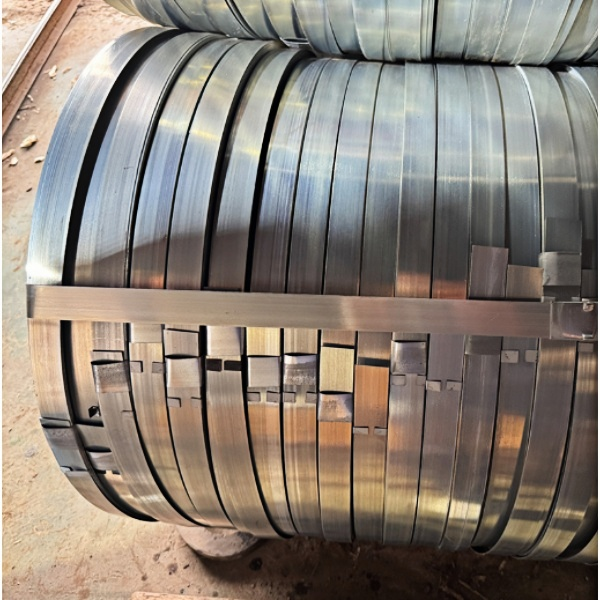
The first step in inspecting Duplex Steel Coil is a thorough visual examination. This process involves checking the surface of the coil for any visible defects such as scratches, cracks, pits, or unevenness. These surface imperfections can not only affect the appearance of the coil but also potentially compromise its structural integrity. For instance, scratches can act as stress concentrators, increasing the likelihood of crack propagation under load.
During the visual inspection, we also look for signs of corrosion. Duplex steel is known for its excellent corrosion resistance, but improper storage or handling can still lead to surface corrosion. Any signs of rust or discoloration are carefully noted, and the affected areas are evaluated to determine if they meet the acceptance criteria. This visual assessment is typically carried out under proper lighting conditions to ensure that even the smallest defects can be detected.
Dimensional Inspection
Accurate dimensions are essential for the proper functioning of Duplex Steel Coil in various applications. We measure the thickness, width, and length of the coil to ensure that they comply with the specified tolerances. Thickness is a critical parameter, as it directly affects the strength and performance of the coil. Deviations from the specified thickness can lead to issues such as reduced load-bearing capacity or improper fit in the intended application.
Width and length are also carefully measured to ensure that the coil meets the customer's requirements. Any dimensional variations outside the acceptable range can result in problems during installation or processing. For example, if the width of the coil is too narrow, it may not cover the required area, while an overly wide coil may cause difficulties in handling and installation.
Chemical Composition Analysis
The chemical composition of Duplex Steel Coil plays a vital role in determining its properties and performance. We use advanced analytical techniques such as spectroscopy to analyze the chemical elements present in the coil. The main elements in duplex steel include chromium, nickel, molybdenum, and nitrogen, which contribute to its corrosion resistance, strength, and toughness.
Chromium provides a passive oxide layer on the surface of the steel, which protects it from corrosion. Nickel enhances the ductility and toughness of the steel, while molybdenum improves its resistance to pitting and crevice corrosion. Nitrogen is added to increase the strength and corrosion resistance of the steel. By analyzing the chemical composition, we can ensure that the coil contains the correct proportions of these elements, which is crucial for achieving the desired properties.
Mechanical Property Testing
Mechanical property testing is another important aspect of the inspection process. We conduct tests such as tensile testing, hardness testing, and impact testing to evaluate the strength, ductility, and toughness of the Duplex Steel Coil. Tensile testing measures the maximum stress that the coil can withstand before breaking, as well as its elongation at break. This test provides valuable information about the strength and ductility of the steel, which are important factors in applications where the coil will be subjected to mechanical loads.
Hardness testing is used to determine the resistance of the steel to indentation or scratching. A harder steel generally has better wear resistance and strength, but it may also be more brittle. We use different hardness testing methods, such as the Rockwell or Brinell hardness tests, depending on the specific requirements of the application.
Impact testing measures the ability of the steel to absorb energy under impact loading. This is particularly important in applications where the coil may be subjected to sudden shocks or impacts, such as in the construction of bridges or offshore platforms. By conducting these mechanical property tests, we can ensure that the Duplex Steel Coil meets the required standards for strength, ductility, and toughness.
Microstructure Analysis
The microstructure of Duplex Steel Coil has a significant impact on its properties and performance. We use microscopy techniques to examine the microstructure of the steel, looking for features such as the ferrite-austenite ratio, grain size, and the presence of any secondary phases. The ferrite-austenite ratio is a critical parameter in duplex steel, as it affects the balance between strength and corrosion resistance.
A proper ferrite-austenite ratio ensures that the steel has both good strength and excellent corrosion resistance. Grain size also plays an important role in determining the mechanical properties of the steel. A fine-grained microstructure generally results in higher strength and better toughness. Any abnormal microstructural features, such as the presence of large inclusions or secondary phases, are carefully evaluated to determine if they may affect the performance of the coil.
Ultrasonic Testing
Ultrasonic testing is a non-destructive testing method that is used to detect internal defects in the Duplex Steel Coil. This technique involves sending high-frequency sound waves into the steel and analyzing the reflections to identify any flaws such as cracks, porosity, or inclusions. Ultrasonic testing is particularly useful for detecting internal defects that may not be visible on the surface of the coil.
By using ultrasonic testing, we can ensure that the coil is free from internal defects that could compromise its integrity. This non-destructive testing method allows us to inspect the entire volume of the coil without causing any damage, making it an ideal tool for quality control.
Magnetic Particle Testing
Magnetic particle testing is another non-destructive testing method that is used to detect surface and near-surface defects in ferromagnetic materials such as Duplex Steel Coil. This technique involves applying a magnetic field to the steel and then sprinkling magnetic particles on the surface. Any defects in the steel will cause a disruption in the magnetic field, which will attract the magnetic particles, making the defects visible.
Magnetic particle testing is a sensitive method that can detect very small surface and near-surface defects. It is particularly useful for detecting cracks and other discontinuities that may not be visible to the naked eye. By using this testing method, we can ensure that the surface of the Duplex Steel Coil is free from defects that could affect its performance.

Eddy Current Testing
Eddy current testing is a non-destructive testing method that is used to detect surface and near-surface defects in conductive materials such as Duplex Steel Coil. This technique involves inducing an alternating magnetic field in the steel, which generates eddy currents. Any defects in the steel will cause a change in the eddy current pattern, which can be detected by a sensor.
Eddy current testing is a fast and sensitive method that can detect a wide range of surface and near-surface defects, including cracks, porosity, and inclusions. It is particularly useful for inspecting thin-walled materials and for detecting defects in areas that are difficult to access. By using eddy current testing, we can ensure that the surface of the Duplex Steel Coil is free from defects that could affect its performance.
Conclusion
In conclusion, the inspection of Duplex Steel Coil involves a comprehensive range of tests and evaluations to ensure that it meets the highest standards of quality and performance. From visual inspection to advanced non-destructive testing methods, each step in the inspection process is crucial for identifying and addressing any potential issues. As a [Your Company Type] of Duplex Steel Coil, we are committed to providing our customers with the best possible products. Our 2205 Duplex Stainless Steel Coil and Hastelloy Alloy Coil undergo rigorous inspections to ensure they meet your specific requirements.
If you are interested in purchasing high-quality Duplex Steel Coil for your project, we encourage you to contact us for a detailed discussion. Our team of experts is ready to assist you in selecting the right product and providing you with all the necessary information. We look forward to the opportunity to work with you and meet your steel coil needs.
References
- ASME Boiler and Pressure Vessel Code, Section IX - Welding and Brazing Qualifications
- ASTM International Standards for Steel Products
- ISO Standards for Metallic Materials Testing


