


Is carbon steel plate brittle? This is a question that often comes up in the steel industry, and as a carbon steel plate supplier, I'm here to shed some light on this topic.
Carbon steel is an alloy of iron and carbon, with carbon content typically ranging from 0.05% to 2.1%. The properties of carbon steel plates can vary significantly depending on the carbon content, manufacturing processes, and heat treatment.
Factors Affecting the Brittleness of Carbon Steel Plates
Carbon Content
One of the most critical factors influencing the brittleness of carbon steel plates is the carbon content. Generally, as the carbon content increases, the hardness and strength of the steel also increase, but so does its brittleness. Low - carbon steel, with a carbon content of less than 0.3%, is relatively ductile and less brittle. It can be easily formed and welded, making it suitable for a wide range of applications such as automotive parts, construction, and general fabrication. For example, ASTM A36 Carbon Steel Plate is a popular low - carbon steel plate. It has good formability and weldability, and is often used in structural applications like building frames and bridges.
On the other hand, high - carbon steel, with a carbon content above 0.6%, is much harder and stronger but also more brittle. High - carbon steel plates are often used in applications where high wear resistance is required, such as cutting tools and springs. However, they are more prone to cracking and breakage under impact or sudden stress.
Heat Treatment
Heat treatment plays a crucial role in determining the brittleness of carbon steel plates. Processes like annealing, quenching, and tempering can significantly alter the microstructure of the steel, thereby affecting its mechanical properties.
Annealing is a heat treatment process that involves heating the steel to a specific temperature and then slowly cooling it. This process relieves internal stresses and makes the steel more ductile and less brittle. Quenching, on the other hand, involves rapid cooling of the steel from a high temperature. This results in a hard and brittle microstructure, which can be further modified by tempering. Tempering is the process of reheating the quenched steel to a lower temperature and then cooling it. This reduces the brittleness while maintaining a high level of hardness.
Manufacturing Processes
The manufacturing processes used to produce carbon steel plates can also affect their brittleness. For example, if the steel is rolled at a low temperature, it can lead to a more brittle structure. Additionally, the presence of impurities and inclusions in the steel can act as stress concentrators, increasing the likelihood of brittle fracture.
Applications and Brittleness Considerations
Construction
In the construction industry, carbon steel plates are widely used for structural purposes. Q235 Carbon Steel Plate is a common choice for building structures. Since these structures need to withstand various loads and environmental conditions, the brittleness of the steel plates is a crucial consideration. Low - carbon steel plates are preferred in most construction applications because of their good ductility and ability to absorb energy during deformation. This helps prevent sudden and catastrophic failure.
Industrial Machinery
In industrial machinery, carbon steel plates are used for components such as gears, shafts, and machine frames. The brittleness of the steel can affect the performance and reliability of these components. For parts that are subject to high - impact loads, such as hammers and punches, high - carbon steel plates may be used, but proper heat treatment is essential to reduce brittleness.
Transportation
In the transportation industry, carbon steel plates are used in the manufacturing of vehicles, ships, and trains. The brittleness of the steel can impact the safety and durability of these transportation systems. For example, in the automotive industry, low - carbon steel plates are used for body panels because of their formability and ability to absorb energy in the event of a collision.
Testing for Brittleness
To ensure the quality and safety of carbon steel plates, various tests are conducted to assess their brittleness. One of the most common tests is the Charpy impact test. In this test, a notched specimen of the steel is struck with a pendulum, and the energy absorbed during the fracture is measured. A high energy absorption indicates good ductility and low brittleness, while a low energy absorption suggests high brittleness.
Another test is the tensile test, which measures the strength and ductility of the steel. The elongation at break and the reduction in area are important parameters that can indicate the brittleness of the steel.
Our Offerings as a Carbon Steel Plate Supplier
As a carbon steel plate supplier, we offer a wide range of carbon steel plates to meet the diverse needs of our customers. Our ASTM A36 Carbon Steel Plate is known for its excellent formability and weldability, making it suitable for a variety of structural applications. Our Q235 Carbon Steel Plate is also a popular choice for construction projects, providing a good balance between strength and ductility.
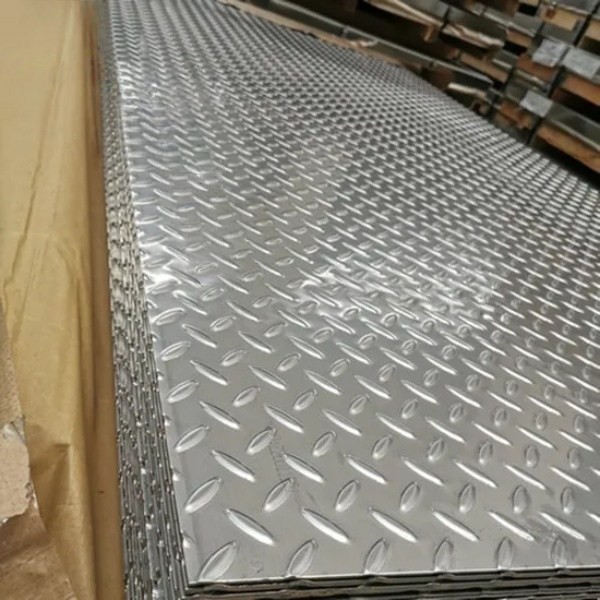

In addition, we also offer Carbon Steel Tread Plate, which is commonly used in industrial flooring and stair treads. This type of plate has a patterned surface that provides good traction, and its brittleness is carefully controlled to ensure long - term durability.
We understand the importance of brittleness in different applications, and our team of experts can provide technical support and guidance to help you select the right carbon steel plate for your specific needs. Whether you are in the construction, industrial machinery, or transportation industry, we have the solutions to meet your requirements.
Conclusion
In conclusion, the brittleness of carbon steel plates is a complex issue that is influenced by multiple factors such as carbon content, heat treatment, and manufacturing processes. While high - carbon steel plates can be more brittle, proper heat treatment and quality control can help reduce the risk of brittle fracture. As a carbon steel plate supplier, we are committed to providing high - quality products that meet the highest standards of safety and performance.
If you are interested in purchasing carbon steel plates or have any questions about our products, please feel free to contact us for further discussion and procurement negotiation. We look forward to serving you and helping you find the best carbon steel plate solutions for your projects.
References
- Callister, W. D., & Rethwisch, D. G. (2014). Materials Science and Engineering: An Introduction. Wiley.
- ASM Handbook Committee. (2004). ASM Handbook, Volume 1: Properties and Selection: Irons, Steels, and High - Performance Alloys. ASM International.


