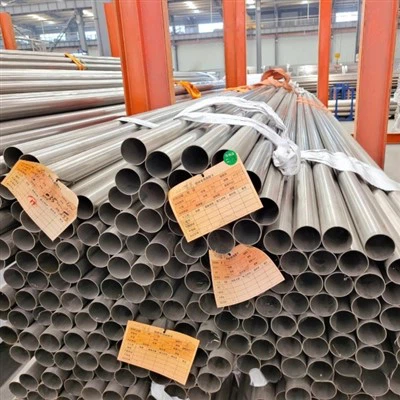
As a supplier of Super Duplex Plate, I understand the critical importance of corrosion resistance in various industrial applications. Super Duplex Plate is renowned for its high strength and excellent resistance to stress corrosion cracking, pitting, and crevice corrosion. However, in some extremely harsh environments, additional coating options can further enhance its corrosion resistance. In this blog, I will explore several coating options that can be applied to Super Duplex Plate to boost its ability to withstand corrosion.
Epoxy Coatings
Epoxy coatings are one of the most commonly used coatings for enhancing the corrosion resistance of Super Duplex Plate. These coatings are known for their excellent adhesion, chemical resistance, and durability. Epoxy coatings form a protective barrier on the surface of the plate, preventing corrosive agents such as water, chemicals, and oxygen from reaching the metal substrate.
One of the key advantages of epoxy coatings is their versatility. They can be formulated to meet specific requirements, such as high-temperature resistance, abrasion resistance, and flexibility. For example, in offshore oil and gas applications, where Super Duplex Plate is exposed to saltwater and harsh weather conditions, epoxy coatings with high chemical resistance and good adhesion are often used.
Another benefit of epoxy coatings is their ease of application. They can be applied by spray, brush, or roller, making them suitable for both large-scale industrial projects and small repair jobs. However, it is important to note that proper surface preparation is crucial for the successful application of epoxy coatings. The surface of the Super Duplex Plate must be clean, dry, and free of any contaminants to ensure good adhesion.
Polyurethane Coatings
Polyurethane coatings are another popular choice for enhancing the corrosion resistance of Super Duplex Plate. These coatings offer excellent weatherability, abrasion resistance, and UV resistance, making them ideal for outdoor applications. Polyurethane coatings can also provide a high-gloss finish, which not only enhances the appearance of the plate but also provides an additional layer of protection against corrosion.
One of the unique features of polyurethane coatings is their ability to self-heal minor scratches and abrasions. This is due to the presence of flexible polymer chains in the coating, which can move and re-align to fill in small gaps and cracks. This self-healing property helps to maintain the integrity of the coating and prolong its service life.
In addition to their corrosion resistance properties, polyurethane coatings are also known for their fast drying time. This allows for quick turnaround times in industrial applications, reducing downtime and increasing productivity. However, like epoxy coatings, proper surface preparation is essential for the successful application of polyurethane coatings.
Ceramic Coatings
Ceramic coatings are a relatively new type of coating that has gained popularity in recent years for their excellent corrosion resistance and high-temperature performance. These coatings are made from ceramic particles suspended in a polymer matrix, which provides a hard, protective layer on the surface of the Super Duplex Plate.
One of the main advantages of ceramic coatings is their high hardness and wear resistance. They can withstand extreme temperatures, abrasion, and chemical attack, making them suitable for use in high-stress environments such as mining, power generation, and chemical processing. Ceramic coatings also have low friction coefficients, which can reduce wear and tear on the plate and improve its performance.
Another benefit of ceramic coatings is their thermal insulation properties. They can help to reduce heat transfer from the plate, which can be beneficial in applications where temperature control is important. For example, in some industrial furnaces, ceramic coatings are used to protect Super Duplex Plate from high temperatures and reduce energy consumption.
However, ceramic coatings are more expensive than epoxy and polyurethane coatings, and their application requires specialized equipment and expertise. Therefore, they are typically used in high-value applications where the benefits of the coating justify the cost.
Zinc Coatings
Zinc coatings, also known as galvanizing, are a traditional method of protecting steel and other metals from corrosion. In the case of Super Duplex Plate, zinc coatings can provide sacrificial protection, meaning that the zinc will corrode preferentially to the underlying metal, protecting it from rust and other forms of corrosion.
There are two main types of zinc coatings: hot-dip galvanizing and electro-galvanizing. Hot-dip galvanizing involves immersing the Super Duplex Plate in a bath of molten zinc, which forms a thick, durable coating on the surface. Electro-galvanizing, on the other hand, uses an electric current to deposit a thin layer of zinc on the plate.
Hot-dip galvanizing is generally considered to be more effective than electro-galvanizing in terms of corrosion protection, as it provides a thicker and more uniform coating. However, it is also more expensive and requires more complex equipment and processes. Electro-galvanizing is a more cost-effective option for applications where a thinner coating is sufficient.
Zinc coatings are widely used in various industries, including construction, automotive, and manufacturing. They are particularly suitable for applications where the Super Duplex Plate is exposed to moisture and humidity, such as outdoor structures and pipelines.
Nickel-Based Coatings
Nickel-based coatings are another option for enhancing the corrosion resistance of Super Duplex Plate. These coatings offer excellent resistance to high-temperature corrosion, oxidation, and wear, making them suitable for use in extreme environments such as aerospace, power generation, and chemical processing.
One of the most common types of nickel-based coatings is Hastelloy Steel C276 Plate Sheet. Hastelloy C276 is a nickel-molybdenum-chromium alloy that provides outstanding corrosion resistance in a wide range of chemical environments, including acids, alkalis, and chlorides. It is often used in applications where the Super Duplex Plate is exposed to aggressive chemicals and high temperatures.
Nickel-based coatings can be applied by various methods, including thermal spraying, electroplating, and cladding. Each method has its own advantages and disadvantages, and the choice of method depends on the specific requirements of the application.
Comparison of Coating Options
When choosing a coating for Super Duplex Plate, it is important to consider several factors, including the environment in which the plate will be used, the expected service life, the cost of the coating, and the ease of application. Here is a comparison of the different coating options discussed above:


| Coating Type | Corrosion Resistance | Temperature Resistance | Abrasion Resistance | UV Resistance | Ease of Application | Cost |
|---|---|---|---|---|---|---|
| Epoxy Coatings | Good | Moderate | Moderate | Poor | Easy | Low to Moderate |
| Polyurethane Coatings | Good | Moderate | Good | Good | Easy | Moderate |
| Ceramic Coatings | Excellent | High | Excellent | Good | Difficult | High |
| Zinc Coatings | Good | Moderate | Moderate | Poor | Easy | Low to Moderate |
| Nickel-Based Coatings | Excellent | High | Excellent | Good | Difficult | High |
Conclusion
In conclusion, there are several coating options available for enhancing the corrosion resistance of Super Duplex Plate. Each coating type has its own unique properties and advantages, and the choice of coating depends on the specific requirements of the application. Epoxy coatings are a versatile and cost-effective option for general corrosion protection, while polyurethane coatings are ideal for outdoor applications where weatherability and abrasion resistance are important. Ceramic coatings offer excellent high-temperature performance and wear resistance, and nickel-based coatings provide outstanding corrosion resistance in extreme environments.
As a supplier of Super Duplex Plate, I can provide you with expert advice on the best coating option for your specific needs. Whether you are looking for a coating for a new project or need to repair and protect an existing Super Duplex Plate, I can help you find the right solution. If you have any questions or would like to discuss your requirements further, please feel free to contact me. We are committed to providing high-quality products and excellent customer service, and we look forward to working with you on your next project.
References
- "Corrosion Resistance of Coated Metals" - ASM Handbook, Volume 13A
- "Coating Technologies for Corrosion Protection" - NACE International
- "Advanced Coatings for High-Performance Applications" - Journal of Coatings Technology and Research