


Carbon steel plates are widely used across various industries due to their excellent strength, durability, and affordability. As a leading carbon steel plate supplier, we not only focus on delivering high - quality products but also believe in the importance of responsible resource management. Recycling carbon steel plates is a crucial step towards sustainable development, reducing environmental impact, and conserving natural resources. In this blog, we will explore different recycling methods for carbon steel plates.
Collection and Sorting
The first step in the recycling process of carbon steel plates is collection. We, as a carbon steel plate supplier, often have a role in facilitating this initial stage. We can encourage our customers to return their used or scrap carbon steel plates to us. This can be done through various incentives, such as offering a fair price for the scrap or providing discounts on future purchases.
Once the carbon steel plates are collected, sorting becomes essential. Different types of carbon steel plates have different compositions and properties. For example, A516 ASTM Carbon Steel Plate is known for its high - quality performance in pressure vessel applications. It has specific chemical and mechanical properties that distinguish it from other types. Sorting helps in ensuring that each type of carbon steel plate can be recycled in the most efficient way, as different recycling processes may be more suitable for different compositions.
Shredding and Size Reduction
After sorting, the carbon steel plates need to be shredded to reduce their size. Shredding is a mechanical process that breaks down the large steel plates into smaller pieces. This is beneficial for several reasons. Firstly, smaller pieces are easier to handle and transport. Secondly, it increases the surface area of the steel, which is advantageous in subsequent recycling steps such as melting.
Specialized shredding equipment is used for this purpose. The shredded pieces can then be further processed to remove any non - steel materials that may be attached to them, such as paint, rust, or other contaminants. This purification step is crucial to ensure the quality of the recycled steel.
Melting
Melting is the core process in recycling carbon steel plates. The shredded and purified steel pieces are placed in a furnace, where they are heated to extremely high temperatures. In most cases, electric arc furnaces (EAFs) or basic oxygen furnaces (BOFs) are used for this purpose.
EAFs are widely used because they are more energy - efficient and can be used to melt a variety of steel scrap, including carbon steel plates. The heat in an EAF is generated by an electric arc between electrodes. This process allows for precise control of the temperature and the melting process.
BOFs, on the other hand, are often used in large - scale steel production. They use pure oxygen to react with the carbon and other impurities in the steel, which helps in removing these substances and refining the steel. The melting process in a BOF is relatively fast, but it requires a larger amount of scrap and a more complex infrastructure.
During the melting process, the chemical composition of the steel can be adjusted by adding various alloying elements. This allows the production of new carbon steel plates with specific properties, similar to those of newly - produced steel.
Refining
Once the carbon steel plates are melted, refining is carried out to remove impurities and adjust the chemical composition of the steel. Impurities such as sulfur, phosphorus, and oxygen can have a negative impact on the quality of the steel, reducing its strength and ductility.
Refining methods include processes such as desulfurization, dephosphorization, and degassing. Desulfurization is often achieved by adding agents such as calcium oxide or magnesium to the molten steel, which react with sulfur to form sulfides that can be removed. Dephosphorization can be carried out by adding fluxes that react with phosphorus to form phosphates. Degassing is used to remove dissolved gases such as hydrogen and nitrogen from the molten steel.
Casting and Rolling
After refining, the molten steel is cast into various shapes, such as slabs or billets. Continuous casting is a common method used in modern steel production. It allows for a continuous and efficient production process, where the molten steel is poured into a water - cooled mold and gradually solidifies into the desired shape.
The cast slabs or billets are then rolled into carbon steel plates. Rolling is a process that reduces the thickness of the steel and improves its mechanical properties. Hot rolling is carried out at high temperatures, which makes the steel more malleable and easier to deform. Cold rolling may also be used after hot rolling to further improve the surface finish and dimensional accuracy of the carbon steel plates.
Environmental and Economic Benefits
Recycling carbon steel plates offers significant environmental and economic benefits. From an environmental perspective, it reduces the demand for virgin iron ore, which is a finite resource. Mining and processing of iron ore can have a significant negative impact on the environment, including deforestation, soil erosion, and water pollution. By recycling carbon steel plates, we can conserve natural resources and reduce the environmental footprint of the steel industry.

Economically, recycling is often more cost - effective than producing steel from virgin materials. The energy required to melt and recycle steel is much lower than that needed for the primary production of steel from iron ore. Additionally, recycling creates jobs in the recycling and steel production industries, contributing to economic development.
Contact for Purchase and Recycling Collaboration
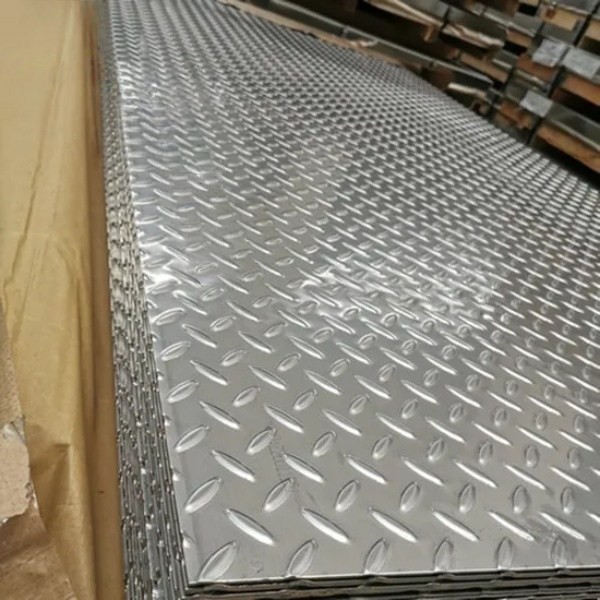
As a carbon steel plate supplier, we are committed to promoting sustainable practices in the steel industry. We offer high - quality Carbon Steel Tread Plate and A105 Carbon Steel Plate products, and we also welcome opportunities for recycling collaboration. If you are interested in purchasing our carbon steel plates or have scrap carbon steel plates to recycle, please feel free to contact us. We look forward to discussing your needs and working together to achieve a more sustainable future.
References
- "Steel Recycling Institute: The Facts about Steel Recycling."
- "ASM Handbook, Volume 1: Properties and Selection: Irons, Steels, and High - Performance Alloys."
- "Krauss, G. (1990). Steels: Heat Treatment and Processing Principles."


