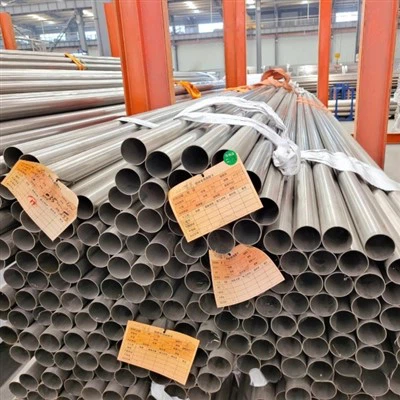
Hey there! As a supplier of Carbon Steel Line Pipe, I often get asked about the fatigue resistance of carbon steel line pipes. So, I thought I'd share some insights on this topic.
What is Fatigue Resistance?
First off, let's talk about what fatigue resistance actually means. Fatigue is the weakening of a material caused by cyclic loading. In the case of carbon steel line pipes, this could be due to things like pressure fluctuations, vibrations, or temperature changes. Fatigue resistance, then, is the ability of the pipe to withstand these cyclic loads without failing.
Why is Fatigue Resistance Important for Carbon Steel Line Pipes?
Carbon steel line pipes are used in a wide range of applications, from oil and gas transportation to water distribution. In these applications, the pipes are often subjected to repeated stress, which can lead to fatigue failure if the pipes don't have adequate fatigue resistance.
A fatigue failure can be a serious problem. It can lead to leaks, which can cause environmental damage, safety hazards, and costly repairs. So, ensuring that your carbon steel line pipes have good fatigue resistance is crucial for the long-term reliability and safety of your pipeline system.
Factors Affecting the Fatigue Resistance of Carbon Steel Line Pipes
There are several factors that can affect the fatigue resistance of carbon steel line pipes. Here are some of the most important ones:
1. Material Properties
The quality and composition of the carbon steel used in the pipe play a big role in its fatigue resistance. Higher-quality steel with the right alloying elements can have better fatigue properties. For example, adding small amounts of elements like chromium, nickel, and molybdenum can improve the strength and toughness of the steel, which in turn can enhance its fatigue resistance.
2. Pipe Geometry
The shape and dimensions of the pipe can also impact its fatigue resistance. Pipes with smooth internal and external surfaces are less likely to have stress concentrations, which can reduce the risk of fatigue failure. Additionally, the wall thickness of the pipe matters. Thicker walls can generally withstand more stress and are less prone to fatigue.
3. Welding Quality
If the carbon steel line pipe is welded, the quality of the weld is critical. A poorly welded joint can create stress concentrations and weak spots, which can lead to fatigue cracks. Proper welding techniques and quality control are essential to ensure the integrity of the pipe and its fatigue resistance.
4. Operating Conditions
The conditions under which the pipe operates can have a significant effect on its fatigue resistance. For example, high-pressure environments, extreme temperatures, and corrosive substances can all accelerate fatigue. Pipes in harsh operating conditions may require additional protective measures or more frequent inspections to prevent fatigue failure.
How to Improve the Fatigue Resistance of Carbon Steel Line Pipes
As a supplier, we take several steps to ensure that our Carbon Steel Line Pipe has good fatigue resistance.
1. Material Selection
We carefully select high-quality carbon steel with the appropriate alloying elements. Our steel suppliers are carefully vetted to ensure that the material meets our strict quality standards.
2. Manufacturing Processes
We use advanced manufacturing techniques to produce pipes with smooth surfaces and consistent wall thickness. This helps to reduce stress concentrations and improve the overall fatigue resistance of the pipes.
3. Quality Control
We have a rigorous quality control process in place to ensure that every pipe meets our fatigue resistance requirements. This includes non-destructive testing methods, such as ultrasonic testing and magnetic particle testing, to detect any potential defects.
4. Protective Coatings
In some cases, we may apply protective coatings to the pipes to enhance their resistance to corrosion and other environmental factors. This can help to extend the service life of the pipes and improve their fatigue resistance.
Comparing Carbon Steel Line Pipes with Other Types of Pipes
When it comes to fatigue resistance, carbon steel line pipes have some advantages over other types of pipes. For example, compared to Carbon Steel Hydraulic Oil Pipe, carbon steel line pipes are often used in larger-scale applications and are designed to withstand higher pressures and more severe operating conditions.
On the other hand, Ductile Iron Pipe has its own set of properties. While it can be strong and durable, carbon steel line pipes generally offer better fatigue resistance, especially in applications where cyclic loading is a concern.


Conclusion
In conclusion, the fatigue resistance of carbon steel line pipes is an important factor to consider when choosing pipes for your pipeline system. By understanding the factors that affect fatigue resistance and taking steps to improve it, you can ensure the long-term reliability and safety of your pipes.
If you're in the market for high-quality carbon steel line pipes with excellent fatigue resistance, we'd love to hear from you. Whether you're working on an oil and gas project, a water distribution system, or any other application that requires reliable piping, we can provide you with the right solutions. Contact us to discuss your specific needs and let's work together to find the perfect carbon steel line pipes for your project.
References
- ASME Boiler and Pressure Vessel Code, Section VIII, Division 1
- API 5L Specification for Line Pipe
- ASTM A53 Standard Specification for Pipe, Steel, Black and Hot-Dipped, Zinc-Coated, Welded and Seamless