


Hey there! As a fasteners supplier, I've seen my fair share of stripped fasteners. It's a frustrating situation that can pop up in all sorts of projects, whether you're a DIY enthusiast working on a home improvement task or a professional in the construction industry. In this blog, I'll share some tips on how to remove a stripped fastener.
First off, let's understand what causes a fastener to strip. A stripped fastener usually happens when too much torque is applied during installation or removal. This can cause the head of the fastener to become rounded or the threads to get damaged, making it difficult to grip with a tool.
One of the simplest methods to try first is using a rubber band. Sounds crazy, right? But it actually works. Place a thick rubber band over the stripped fastener head. The rubber provides extra grip, allowing your screwdriver or wrench to hold on better. Press the tool firmly into the fastener through the rubber band and try turning it counter - clockwise to remove it.
If the rubber band trick doesn't work, you can try using a specialized tool called an extractor. There are different types of extractors available in the market. For smaller fasteners, a screw extractor set can be very useful. These extractors have reverse threads. You drill a small hole in the center of the stripped fastener and then insert the extractor. As you turn the extractor counter - clockwise, it bites into the fastener and helps to remove it.
For larger fasteners, a bolt extractor may be more appropriate. These are designed to handle bigger bolts and can provide more torque. Just like with the screw extractor, you need to drill a hole in the fastener first and then use the extractor to turn it out.
Another option is to use heat. If the fastener is made of metal, applying heat can cause it to expand slightly. This might break the bond between the fastener and the material it's screwed into. You can use a heat gun or a torch to heat the fastener. But be careful not to overheat the surrounding area, as it could damage the material. After heating, let it cool down a bit and then try to remove the fastener with a wrench.
Now, let's talk about prevention. As a fasteners supplier, I always recommend using the right tools for the job. Using a screwdriver or wrench that fits the fastener properly can prevent stripping. Also, make sure to apply the correct amount of torque. If you're unsure, you can use a torque wrench to ensure you're not over - tightening.
When choosing fasteners, quality matters. We offer a wide range of high - quality fasteners, such as the Stainless Steel 304 Hex Bolt. These bolts are made of durable stainless steel 304, which provides excellent corrosion resistance. They're suitable for a variety of applications, from outdoor projects to industrial machinery.
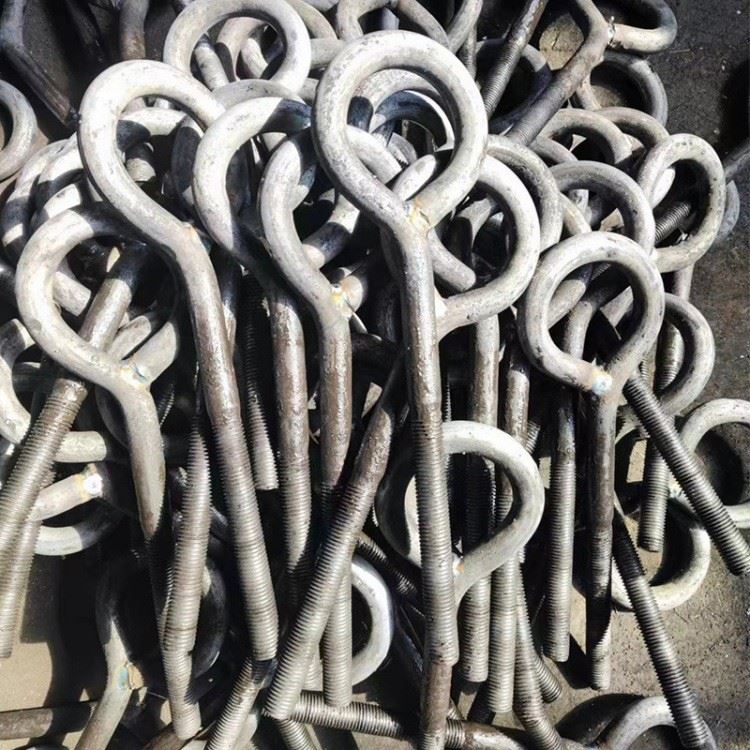
Another great option is our Galvanized Anchor Bolts. The galvanized coating protects the bolts from rust and corrosion, making them ideal for use in concrete or masonry.
For more heavy - duty applications, we also have the ASTM A193 B7M Double - ended Stud. These studs are made of high - strength alloy steel and are designed to handle large loads.
If you're facing issues with stripped fasteners or are in need of high - quality fasteners for your next project, don't hesitate to reach out. We're here to help you find the right solutions. Whether you're a contractor, a DIYer, or an industrial client, we can provide you with the best fasteners and advice.
In conclusion, removing a stripped fastener can be a pain, but with the right methods and tools, it's definitely doable. And by choosing the right fasteners in the first place, you can reduce the chances of stripping. So, if you have any questions about fasteners or need help with your project, feel free to contact us for a procurement discussion.

References:
- "Fasteners Handbook" by Fastener Engineering Association
- "The DIY Guide to Fasteners" by Home Improvement Magazine


