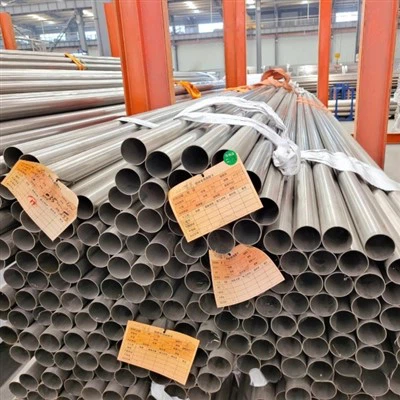
Hey there! As a carbon steel plate supplier, I've seen firsthand how the addition of alloying elements can completely transform the performance of carbon steel plates. In this blog, I'm gonna break down how these elements work their magic and why it matters to you.
Understanding Carbon Steel Basics
Before we dive into the alloying elements, let's quickly go over what carbon steel is. Carbon steel is basically steel that's made up mainly of iron and carbon. The carbon content usually ranges from 0.05% to 2.1% by weight. It's widely used in tons of industries because it's relatively cheap, easy to make, and has decent mechanical properties.
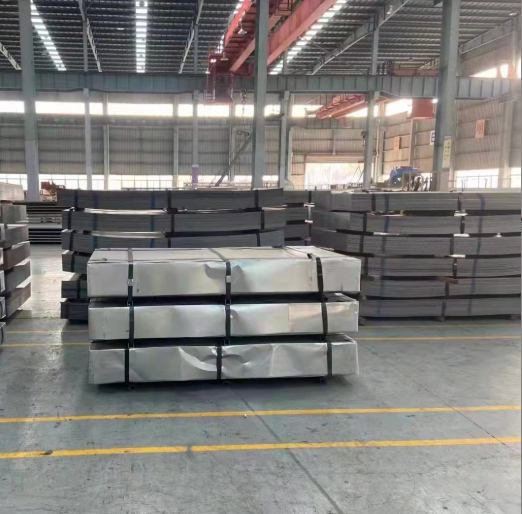
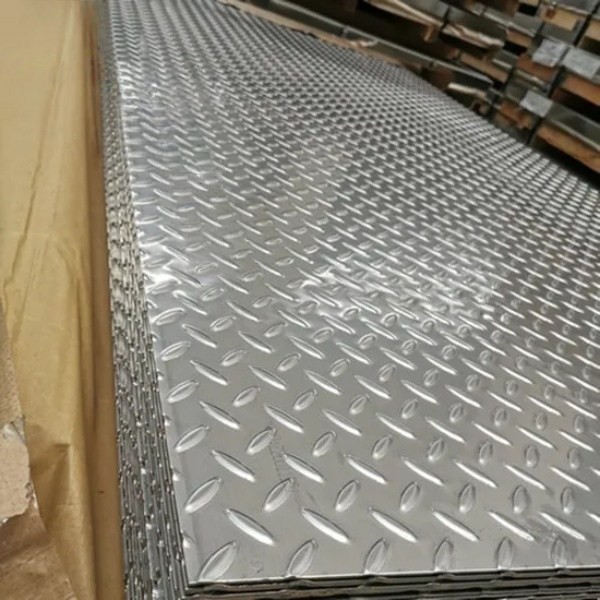
We offer a variety of carbon steel plates, like the ASTM A36 Carbon Steel Plate, A516 ASTM Carbon Steel Plate, and Carbon Steel Tread Plate. These plates have different applications based on their properties, but adding alloying elements can take their performance to the next level.
How Alloying Elements Work
Alloying elements are like secret ingredients that you can add to carbon steel to change its properties. When these elements are mixed in with the steel during the manufacturing process, they can form different structures and compounds within the steel matrix. This, in turn, affects how the steel behaves under different conditions.
Let's take a look at some of the most common alloying elements and how they change the performance of carbon steel plates.
Manganese (Mn)
Manganese is one of the most widely used alloying elements in carbon steel. It helps to improve the strength and hardness of the steel by forming carbides and other compounds. Manganese also acts as a deoxidizer, which means it helps to remove oxygen from the steel during the melting process. This reduces the amount of impurities in the steel and improves its overall quality.
In addition to improving strength and hardness, manganese can also enhance the toughness of the steel. This makes the steel more resistant to cracking and fracture, which is especially important in applications where the steel is subjected to high stress or impact.
Chromium (Cr)
Chromium is another important alloying element that's often added to carbon steel. It forms a thin, protective oxide layer on the surface of the steel, which helps to prevent corrosion. This makes the steel more suitable for use in environments where it's exposed to moisture, chemicals, or other corrosive substances.
Chromium also improves the hardness and wear resistance of the steel. It forms carbides that are very hard and can resist abrasion. This makes the steel ideal for use in applications where it needs to withstand high levels of friction and wear, such as in machinery parts and cutting tools.
Nickel (Ni)
Nickel is known for its ability to improve the toughness and ductility of carbon steel. It helps to reduce the brittleness of the steel, making it more flexible and less likely to break under stress. Nickel also enhances the corrosion resistance of the steel, especially in acidic environments.
In addition to its mechanical and corrosion-resistant properties, nickel can also improve the heat resistance of the steel. This makes the steel suitable for use in high-temperature applications, such as in furnaces and boilers.
Molybdenum (Mo)
Molybdenum is often added to carbon steel to improve its strength and hardness at high temperatures. It forms carbides that are stable at high temperatures, which helps to prevent the steel from softening or deforming under heat. Molybdenum also enhances the corrosion resistance of the steel, especially in environments where it's exposed to sulfuric acid or other corrosive chemicals.
Molybdenum can also improve the creep resistance of the steel. Creep is the gradual deformation of a material under constant stress over time. By improving the creep resistance of the steel, molybdenum helps to ensure that the steel maintains its shape and integrity in high-temperature, high-stress applications.
Vanadium (V)
Vanadium is a powerful carbide-forming element that can significantly improve the strength and hardness of carbon steel. It forms very fine carbides that are evenly distributed throughout the steel matrix. These carbides act as barriers to the movement of dislocations, which are defects in the crystal structure of the steel. By preventing the movement of dislocations, vanadium helps to strengthen the steel and make it more resistant to deformation.
Vanadium also improves the grain refinement of the steel. It helps to reduce the size of the grains in the steel, which makes the steel more uniform and improves its mechanical properties. This makes the steel more suitable for use in applications where high strength and toughness are required, such as in automotive parts and structural components.
Real-World Applications
The addition of alloying elements to carbon steel plates has a huge impact on their performance, which makes them suitable for a wide range of applications. Here are some examples of how different alloyed carbon steel plates are used in the real world:
- Construction: Alloyed carbon steel plates are commonly used in the construction industry for building structures such as bridges, buildings, and towers. The improved strength, toughness, and corrosion resistance of these plates make them ideal for withstanding the harsh conditions of construction sites and ensuring the long-term durability of the structures.
- Automotive: In the automotive industry, alloyed carbon steel plates are used to make various parts, including engine components, suspension systems, and body panels. The high strength and wear resistance of these plates make them suitable for withstanding the high stresses and loads that are generated during vehicle operation.
- Manufacturing: Alloyed carbon steel plates are also widely used in the manufacturing industry for making machinery parts, tools, and equipment. The improved hardness, toughness, and heat resistance of these plates make them ideal for use in applications where the parts need to withstand high levels of friction, wear, and heat.
- Oil and Gas: In the oil and gas industry, alloyed carbon steel plates are used for making pipelines, storage tanks, and other equipment. The corrosion resistance of these plates is crucial in preventing leaks and ensuring the safety and reliability of the equipment in harsh environments.
Conclusion
As you can see, the addition of alloying elements can have a profound impact on the performance of carbon steel plates. By carefully selecting the right alloying elements and controlling their concentrations, we can create carbon steel plates with a wide range of properties to meet the specific needs of different applications.
Whether you're looking for a carbon steel plate with high strength, excellent corrosion resistance, or superior toughness, we've got you covered. Our team of experts can help you choose the right alloyed carbon steel plate for your application and ensure that you get the best value for your money.
If you're interested in learning more about our carbon steel plates or have any questions about alloying elements, feel free to reach out to us. We'd be happy to have a chat with you and discuss your specific requirements. Let's work together to find the perfect carbon steel plate solution for your project!
References
- ASM Handbook Committee. (2008). ASM Handbook, Volume 1: Properties and Selection: Irons, Steels, and High-Performance Alloys. ASM International.
- Davis, J. R. (Ed.). (1994). Metals Handbook Desk Edition, Second Edition. ASM International.
- Higgins, R. A. (2006). Steel Heat Treatment: Metallurgy and Technologies. CRC Press.