1. What Is an API 6A BX169 RTJ Ring Gasket?
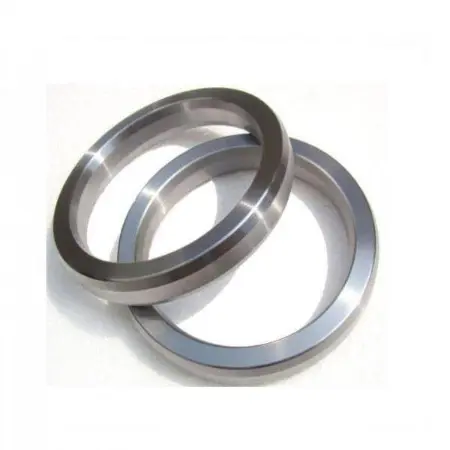
An API 6A BX169 RTJ ring gasket is a specially shaped metallic sealing ring installed between compatible flanges. Unlike conventional flat gaskets, an RTJ gasket seals through controlled contact between its machined surfaces and the corresponding grooves in the mating flanges.
The BX169 is a specific ring designation within the BX-style sealing system. It is commonly associated with a nominal pipe size of 5-1/8 inches. However, the exact dimensions, pressure rating, and material must be confirmed against the applicable product specification and flange design.
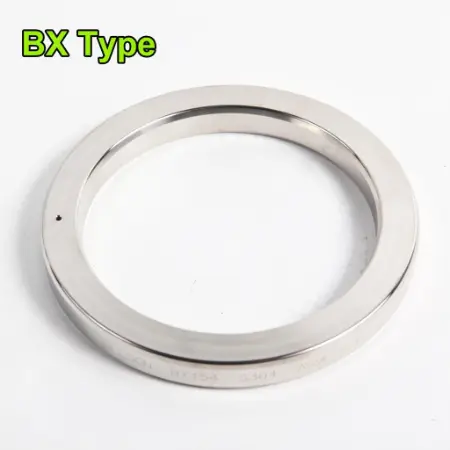
BX ring gaskets are designed for compatible API 6BX connections. Their geometry allows the gasket to be captured within the flange grooves, while internal pressure can help energize the sealing contact under the intended operating conditions.
A distinctive feature of the BX design is its pressure-passage hole, which helps equalize pressure that might otherwise become trapped between the gasket and flange grooves.
For this reason, BX169 gaskets are used in specialized pressure-containing equipment where correct gasket selection and installation are essential.
2. Key Advantages of the BX169 RTJ Ring Gasket
-
2.1 Pressure-Energized Sealing Performance
One of the primary advantages of the BX169 RTJ gasket is its pressure-energized sealing mechanism.
When the gasket is installed correctly in a compatible flange connection, the design allows internal system pressure to contribute to the sealing action. This characteristic makes BX-style gaskets suitable for specified high-pressure oilfield equipment.
Reliable sealing still depends on several factors, including flange compatibility, gasket dimensions, material hardness, groove condition, and the prescribed assembly procedure. A pressure-energized design does not eliminate the need for proper installation and inspection.
-
2.2 Metal-to-Metal Sealing
BX169 ring gaskets use a metallic sealing interface rather than relying on a conventional soft gasket material.
The precisely machined ring profile is designed to engage with the corresponding flange grooves during assembly. This controlled metal-to-metal contact supports dependable sealing in applications where the equipment design specifies an RTJ connection.
Precision machining and dimensional verification are therefore important when manufacturing or purchasing BX169 ring gaskets.
-
2.3 Pressure Equalization Through a Dedicated Hole
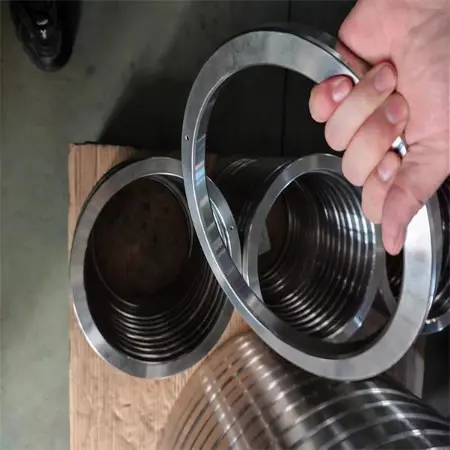
BX-style ring gaskets incorporate a pressure-passage hole through the ring's height. This feature is intended to help equalize pressure that could otherwise become trapped in the flange grooves.
Pressure equalization is an important consideration in the design of BX sealing systems. The passage hole must be manufactured in accordance with the applicable requirements and must remain unobstructed.
This feature distinguishes BX-style gaskets from designs that do not incorporate the same pressure-passage arrangement.

-
2.4 Stainless Steel Material Options
Depending on the product specification, BX169 ring gaskets may be supplied in stainless steel grades such as 316 stainless steel.
SS316 contains molybdenum, which generally improves resistance to chloride-related pitting and certain forms of localized corrosion compared with 304 stainless steel. This makes it a useful material option for selected industrial environments.
Material selection should consider the process medium, chloride concentration, operating temperature, pressure, and other service conditions. Stainless steel is not universally suitable for every corrosive or sour-service environment, and the required material qualification must be verified before use.
-
2.5 Dimensional Accuracy and Quality Control
The performance of an RTJ gasket depends on its ability to match the intended flange groove. An incorrect ring designation or dimensional mismatch can compromise sealing performance even when the material itself is suitable.
Important quality-control measures include:
Verification of the BX169 ring designation and dimensions
Inspection of the ring profile and sealing surfaces
Material identification and heat or lot traceability
Hardness verification according to the applicable requirements
Inspection of the pressure-passage hole
Positive Material Identification (PMI), when required
Material certificates and dimensional inspection reports as specified by the customer
These checks help buyers confirm that the gasket meets the agreed technical requirements before installation.
3. Typical Applications of API 6A BX169 Ring Gaskets
The BX169 ring gasket is intended for compatible flange connections in pressure-containing equipment. Depending on the equipment design and service conditions, typical application areas include the following.
Oil and Gas Wellhead Equipment
Wellhead systems contain pressure-bearing connections that require reliable sealing. A correctly specified BX169 gasket can be used in compatible API 6BX flange assemblies to support connection integrity.
Christmas Tree Assemblies
Christmas trees control and regulate production from oil and gas wells. Their valves and pressure-containing components require sealing products that meet the equipment manufacturer's specifications.
BX-style ring gaskets are an option where the corresponding flange design calls for this type of metallic seal.
Blowout Preventer Systems
Blowout preventer equipment is used to control well pressure during drilling and related operations. Where compatible BX-style flange connections are specified, the appropriate ring gasket contributes to the sealing performance of the assembly.
Choke and Kill Manifolds
Choke and kill manifolds operate under demanding pressure-control conditions. Gasket selection should account for the specified connection type, pressure rating, temperature, fluid compatibility, and applicable project requirements.
High-Pressure Oilfield Connections
Other pressure-containing equipment may use BX-style ring gaskets when required by the flange design. The exact application must always be confirmed against the relevant equipment drawings and technical specifications.
4. BX169 vs. R and RX RTJ Ring Gaskets
| Feature | BX169 RTJ Gasket | R RTJ Gasket | RX RTJ Gasket |
|---|---|---|---|
| Typical flange connection | API 6BX | API 6B | API 6B |
| Sealing design | Pressure-energized | Conventional RTJ sealing | Pressure-energized |
| Pressure-passage hole | Required by BX design | Depends on applicable design requirements | Required for specified RX designs |
| Profile and dimensions | BX169-specific | R-series dimensions | RX-series dimensions |
| Interchangeability | Only with the specified compatible connection | Must match the corresponding groove | Must match the corresponding groove |
API 6A specifies that R and RX gaskets are used with 6B flanges, while BX gaskets are used with 6BX flanges. RX and BX gaskets are not interchangeable, even though both use pressure-energized sealing principles.
The correct gasket must be selected according to the flange designation, ring number, dimensions, material, and equipment rating.
5. How to Select the Right BX169 RTJ Ring Gasket
Selecting a suitable BX169 gasket requires more than matching the nominal size. Buyers and engineers should evaluate the following factors.
Confirm Flange Compatibility
Verify that the mating flange is designed for a BX169 gasket. Check the flange designation, ring groove dimensions, and equipment documentation before ordering.
Verify Pressure and Temperature Requirements
Confirm the required operating conditions and the rating of the complete flange connection. Do not assume that a gasket's ring number alone establishes the allowable operating pressure of the assembly.
Choose the Appropriate Material
Select the material according to the process medium, corrosion risks, temperature, and project requirements. For stainless steel options, verify the exact grade and supporting material documentation.
Check Hardness Requirements
The gasket's hardness must comply with the applicable requirements for the specified flange and sealing system. An unsuitable hardness relationship can affect sealing performance and increase the risk of groove damage.
Request Appropriate Inspection Documentation
Depending on the order requirements, relevant documentation may include material test reports, dimensional inspection results, hardness records, and PMI reports.
Clear inspection requirements help establish product traceability and reduce the risk of receiving a gasket that does not meet the intended specification.
6. Installation and Maintenance Recommendations
Correct installation is essential to the sealing performance of a BX169 RTJ gasket.
Before assembly, inspect the flange grooves for corrosion, scratches, dents, contamination, and other defects. Check the gasket for deformation or damage during transportation and handling.
Install only the specified ring gasket in the matching groove. Follow the equipment manufacturer's assembly procedure, including the required bolting sequence, tightening method, and any specified lubrication requirements.
RTJ gaskets undergo controlled deformation as the connection is assembled. Consequently, used ring gaskets should not be reused. API 6A includes a non-reuse requirement for ring gaskets because their initial deformation contributes to establishing the sealing relationship.
During maintenance, inspect the mating grooves and replace damaged components when necessary. Proper storage and handling also help preserve the sealing surfaces before installation.
7. Why Choose a Quality-Controlled BX169 RTJ Ring Gasket?
For high-pressure oilfield equipment, gasket quality is an important part of overall connection reliability. A suitable product should meet the required dimensions, material specifications, hardness limits, and applicable manufacturing requirements.
When purchasing an API 6A BX169 RTJ ring gasket, buyers should prioritize:
Correct BX169 identification and flange compatibility
Verified dimensions and sealing-surface quality
Appropriate material grade and hardness
Traceable material and inspection documentation
Protective packaging and careful handling
Technical support for application-specific requirements
Manufacturerpipe offers BX169 RTJ ring gasket products for customers seeking metallic sealing components for compatible high-pressure flange connections. Buyers can confirm available materials, product dimensions, inspection requirements, and delivery arrangements according to their project needs.

Frequently Asked Questions
What does BX169 mean on an RTJ ring gasket?
BX169 is a specific ring designation within the BX-style RTJ gasket series. The correct product must match the corresponding flange groove and equipment specification.
What material is used for a BX169 ring gasket?
BX169 gaskets may be available in different materials depending on the supplier's product range and the order specification. The exact material grade should be confirmed through the product documentation. For an SS316 version, verify the grade and applicable material requirements before use.
What is the difference between BX169 and RX gaskets?
BX169 is designed for compatible API 6BX flange connections, while RX gaskets are used with corresponding API 6B connections. Although both designs can provide pressure-energized sealing, their profiles and flange compatibility requirements differ.
Can a BX169 gasket be reused?
No. API 6A specifies that ring gaskets should not be reused. A new, correctly specified gasket should be installed when the connection is reassembled.
Is an SS316 BX169 gasket suitable for sour service?
Not automatically. Suitability depends on the complete material specification, H₂S exposure, environmental conditions, and applicable sour-service requirements. Confirm material qualification before selecting a gasket for sour-gas applications.
What inspection documents should buyers request?
Depending on the purchase order, documents may include material test reports, dimensional inspection records, hardness results, PMI reports, and product traceability information.