Short answer: yes. You can weld regular steel to stainless steel. But there's a catch - and if you're a fabricator or manufacturer sourcing parts overseas, it's a catch worth understanding before you place your next order.
Welding dissimilar metals like mild steel and stainless steel is common in structural, automotive, and industrial applications. But doing it right means choosing the right filler metal, controlling heat input, and understanding what happens to corrosion resistance stainless steel after welding.
What Happens When You Weld Carbon Steel to Stainless Steel
When you weld stainless steel to regular carbon steel, the weld joint becomes a mix of both materials. The biggest risk? Carbon steel stainless welds can suffer from dilution - where carbon from the regular steel migrates into the stainless steel welding zone, reducing its corrosion resistance.
This doesn't mean you shouldn't do it. It just means you need the right approach.
Choose the Right Filler Metal
For welding austenitic stainless steel to mild steel, the go-to filler is 309L (or 309LSi).
- 309L is designed specifically for joining austenitic stainless to carbon or mild steel
- It handles the dilution problem by containing higher chromium and nickel
- It minimizes carbide precipitation and cracking in the weld zone
Don't use 308L or 316L fillers for this joint - they're formulated for stainless-to-stainless welding, not dissimilar metal joints.
Welding Processes That Work
| Process | Suitability | Notes |
|---|---|---|
| TIG (GTAW) | Excellent | Best control, cleanest weld, ideal for thin sections |
| MIG (GMAW) | Very good | Faster, good for thicker materials, production work |
| Stick (SMAW) | Good | Works well in field conditions, use 309 electrodes |
| Flux-cored (FCAW) | Good | Higher deposition rate, outdoor-friendly |
Key Welding Parameters
Regardless of process, keep these rules in mind:
- Preheat: Generally not needed for austenitic stainless steel, but mild steel thicker than 1 inch may benefit from 150–300°F preheat
- Interpass temperature: Keep it below 350°F for stainless to avoid sensitization
- Heat input: Lower is better - too much heat increases carbide precipitation and distortion
Post-Weld Treatment and Corrosion Protection
Here's where most overseas manufacturers cut corners. After you weld stainless steel to carbon steel, the heat-affected zone on the stainless side can lose its corrosion resistance stainless steel properties.
Two things help:
- Passivation - Restores the chromium oxide layer on stainless steel surfaces near the weld
- Pickling - Removes the heat tint and oxide scale from stainless steel welding
If your overseas supplier skips these steps, you're getting a part that looks welded but will rust faster than it should.
Common Applications for Dissimilar Welding
You'll find carbon steel welded to stainless steel in:
- Structural supports where stainless contacts the environment but carbon steel provides the frame
- Food processing equipment - stainless for the product contact surface, carbon steel for structural framing
- Automotive exhaust systems - stainless components joined to mild steel brackets and hangers
- Heat exchangers - stainless tubesheet to carbon steel shell
What to Watch for When Sourcing Overseas
If you're importing welded assemblies that combine mild steel and stainless, ask your supplier these questions:
- What filler metal are you using? (If it's not 309-series, that's a red flag)
- What's your interpass temperature control?
- Do you pickle and passivate after stainless steel welding?
- Can you provide weld procedure specifications (WPS) and welder qualifications?
A good overseas partner will answer these without hesitation. A bad one won't know what you're talking about.
Our Stainless Steel Product Services
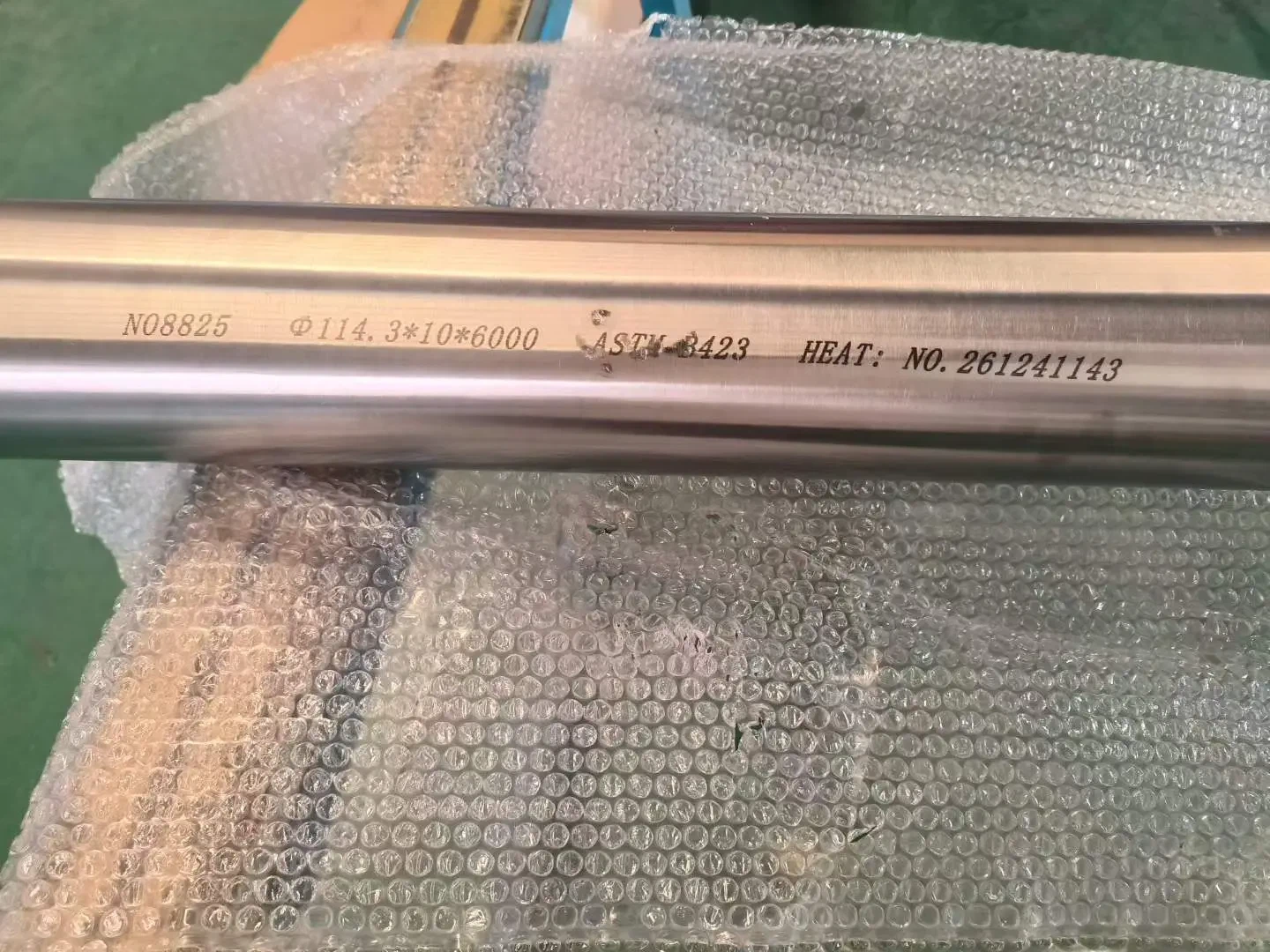
Our company not only provides stainless steel processing and welding services, but also offers a complete range of stainless steel products, including low-carbon steel Pipe, high-carbon steel, stainless steel flanges, and stainless steel piping.
Our stainless steel products utilize high-quality materials and advanced manufacturing processes to ensure superior performance and reliability.
Whether you require welding, bolting, or threaded connections, we can provide you with the right solution. Our expert team will assist you in selecting the appropriate connection method and flange type based on your specific needs.
Conclusion
Yes, you can weld stainless steel to regular steel - and with the right filler, the right process, and proper post-weld treatment, you'll get a strong, corrosion-resistant joint that lasts.
But the margin between a good weld and a failure is small. If your overseas manufacturer isn't controlling heat input, using 309L filler, and passivating post-weld, you're not getting what you paid for.
We manufacture welded stainless steel assemblies for overseas buyers. Every weld is spec'd, tested, and documented - so you get parts that perform the way your drawings intended.
Contact us for a quote on your next stainless-to-carbon steel fabrication project.