I. Material Selection: Corrosion Resistance and Durability
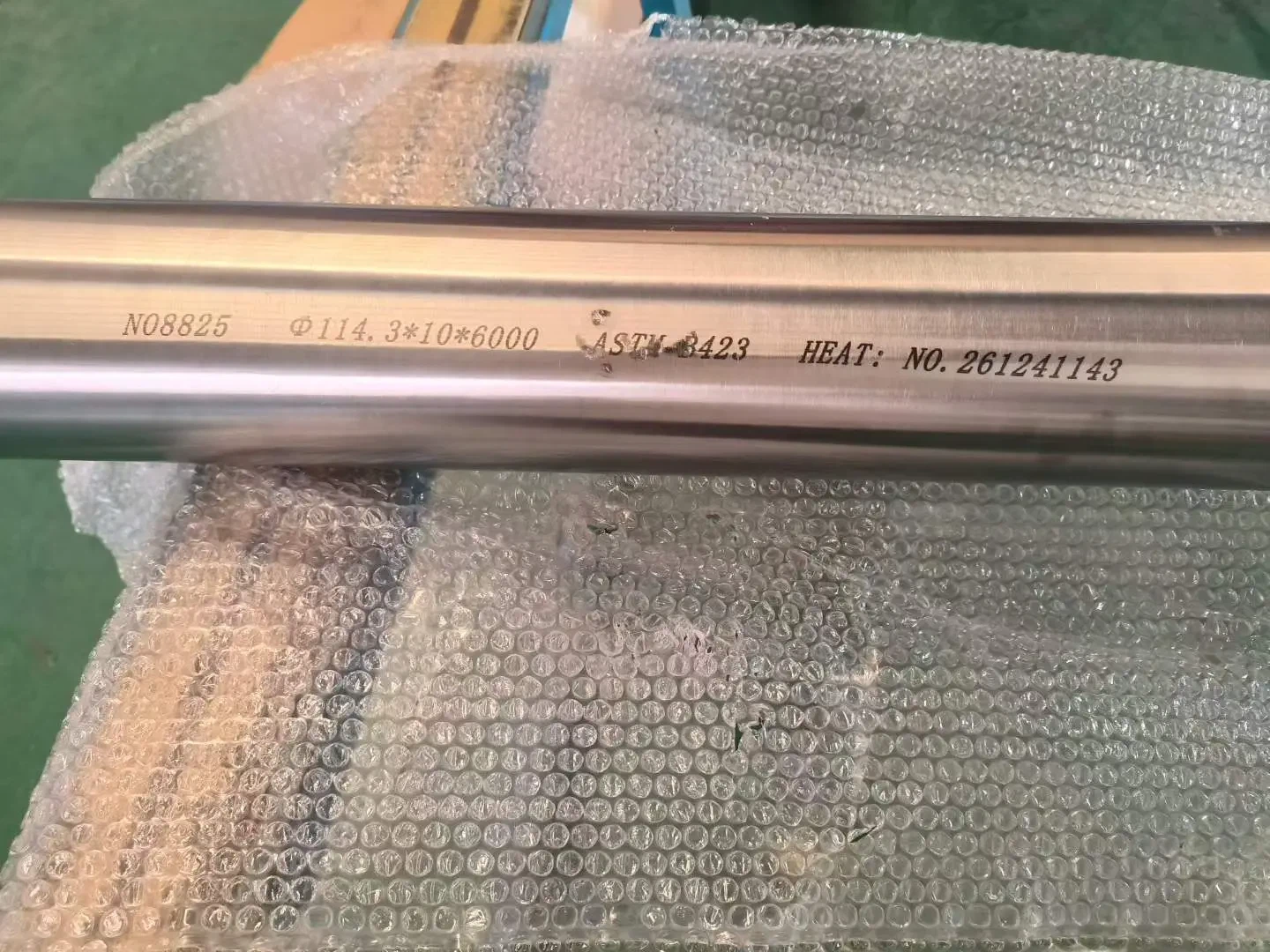
- Advantages of stainless steel: Fittings made from high-quality stainless steel (such as 316/316L) are highly regarded for their resistance to corrosion caused by hydrogen sulfide, carbon dioxide, and saltwater. The double ferrule design enhances sealing performance and leak resistance without requiring excessive torque.
- High-pressure carbon steel: ASTM A106-grade carbon steel pipe fittings are used in large-diameter pipelines and provide sufficient strength for high-pressure applications (1,000–6,000 psi). Their forged construction ensures structural integrity under stress.
- Special Alloys: For acidic gases or acidic environments, alloys such as Hastelloy or duplex stainless steel offer excellent resistance to pitting and crevice corrosion.
II. Design and Manufacturing Standards
- Leak-proof mechanism: Double ferrule compression fittings (e.g., compliant with DIN/ANSI standards) form a cold weld on the pipe, thereby eliminating leaks in high-vibration areas.
- Precision Machining: Fittings must comply with the tolerances specified in ISO 10423, API 6A, or ASME B16.11 to ensure compatibility with global piping systems.
- Forged vs. Cast Fittings: Forged fittings (e.g., tees, elbows) offer higher mechanical strength and are essential components for critical applications such as wellheads and manifolds.
III. Operational Requirements
- Pressure and Temperature Ratings: Fittings must meet requirements for maximum working pressure (e.g., up to 6,000 psi for offshore applications) and temperature (-50°C to 450°C). Material certifications (e.g., NACE MR0175) verify their resistance to sulfide stress cracking.
- Chemical Compatibility: Seals and gaskets must be resistant to corrosion from hydrocarbons, acids, and inhibitors. Chemical injection pipelines typically use polytetrafluoroethylene (PTFE) or elastomer seals.
IV. Best Practices for Installation and Maintenance
- Torque Control: Over-tightening ferrule fittings can cause the seal to deform. Use a calibrated torque wrench and follow the manufacturer's instructions.
- Non-Destructive Testing (NDT): Regular ultrasonic testing (UT) or radiography can detect microcracks or corrosion in high-stress joints.
- Corrosion Management: When using joints in acidic environments, apply a polymeric corrosion inhibitor to extend their service life.
V. Quality Assurance and Certification
- Traceability: A Material Test Report (MTR) must be provided for each component, including the furnace number, chemical composition analysis, and hydrostatic test data.
- Third-Party Verification: Certifications such as ISO 9001, API Q1, and PED 2014/68/EU ensure compliance with safety and environmental regulations.
VI. Emerging Trends
- Smart Fittings: Sensors embedded in the fittings monitor pressure and temperature data in real time, enabling predictive maintenance (e.g., Huawei's IoT solution).
- Eco-friendly Materials: Research into corrosion-resistant coatings (e.g., graphene-reinforced polymers) aims to reduce environmental impact.
Conclusion
The integrity of oil and gas pipe fittings depends on rigorous material selection, compliance with international standards, and proactive maintenance. As operations expand into more demanding environments-such as deepwater or Arctic oilfields-innovations in metallurgical technology and digital monitoring will drive the development of next-generation pipe fittings. Industry stakeholders must prioritize partnerships with certified suppliers to mitigate risks and ensure the reliability of pipe fittings throughout their entire lifecycle.
For detailed technical specifications, please refer to:
Polymeric corrosion inhibitors (University of Nottingham).
Well integrity studies (Marine and Petroleum Geology).