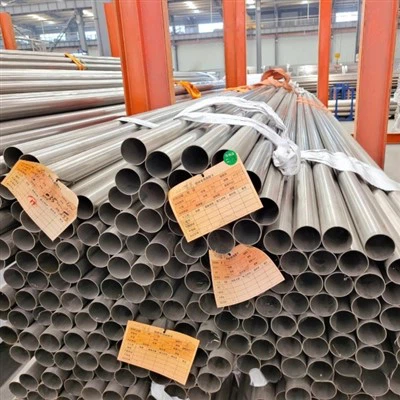
I. Core Composition and Performance
Core Composition (referencing ASTM/GB standards): Nickel 38%-46% (ensuring structural stability), Chromium 19.5%-23.5% (resistance to oxidation corrosion), Iron ≥22% (balancing cost and performance), Molybdenum 2.5%-3.5% (resistance to pitting corrosion), Copper 1.5%-3.0% (resistance to reducing acids), Titanium 0.6%-1.2% (inhibition of intergranular corrosion), Impurities ≤0.03%.
Core Performance: Resistant to oxidizing/reducing media (sulfuric acid, phosphoric acid, etc.), resistant to pitting corrosion and stress corrosion cracking; continuous operating temperature ≤550℃, tensile strength ≥550MPa, elongation ≥30%; excellent processing and welding performance, superior cost-effectiveness compared to high-end nickel-based alloys, and stronger corrosion resistance than 904L stainless steel.
II. Commonly Used Standards and Grades
International Standards: ASTM B424 (plate), ASTM B425 (bar), ASME SB424, etc., conforming to NACE MR0175 acidic oil and gas standard; Domestic Standard GB/T 15007-2017, corresponding grade NS142. International Comparison: German W.Nr.2.4858, British NA16, French NC21FeDu, mainstream export designation UNS N08825.

III. Typical Application Areas
1. Chemical Industry: Sulfuric acid and phosphoric acid production equipment (heat exchangers, reactors, pipelines);
2. Marine Engineering: Seawater cooling pipes, offshore platform pipelines, suitable for the high-salt environment of Southeast Asia;
3. Energy Sector: Nuclear power steam generators, oil and gas well pipes, resistant to corrosion from sulfur-containing media;
4. Others: Corrosion-resistant equipment for food processing, flue gas desulfurization, etc.

IV. Production Inspection and Precautions
Production: Manufactured using an electric arc furnace + vacuum refining, heat treatment, and solution treatment (1000-1050℃), with strict control over impurities and heat treatment processes.
Inspection: PMI material verification, mechanical property testing, and UT/MT/PT non-destructive testing are mandatory to ensure quality.
Precautions: Long-term use should not exceed 550℃; clean the oxide color after welding, no additional heat treatment is required; avoid surface damage and store properly; the selected model must match the operating conditions and target market standards.
V. Industry Trends
With the upgrading of chemical and marine engineering, the demand for 825 alloy steel has been increasing year by year, showing three major trends: high-end (higher performance requirements), domestic production (import substitution), and scenario-based (customized to adapt to working conditions). The development of the environmental protection field further drives its application expansion.