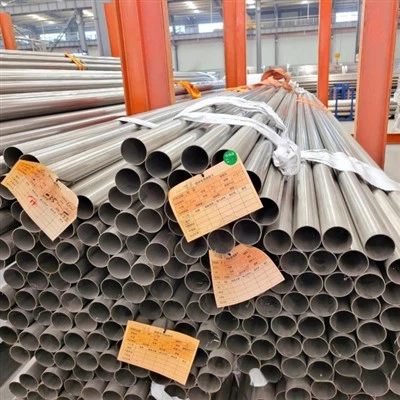
A pipeline painting machine is industrial equipment used to apply protective or functional coatings to pipeline surfaces. Depending on its design, it may support automatic spraying, mobile coating operations, or specialized surface protection tasks in industrial environments.
For pipeline manufacturers, maintenance contractors, and industrial coating companies, choosing suitable pipe painting equipment can help improve coating consistency, reduce repetitive manual work, and support more efficient project execution.
In this guide, we explain how a pipeline painting machine works, its main applications, key benefits, and the factors to consider when selecting the right equipment.


1. What Is a Pipeline Painting Machine?
A pipeline painting machine, also known as a pipeline coating machine or pipe painting equipment, is designed to apply paint or compatible protective coatings to pipe surfaces.
Depending on the equipment configuration, the machine may use spray guns, pumps, control systems, or a mobile platform to perform coating operations. Some systems are designed for stationary production lines, while others are developed for on-site work or applications involving tanks, steel structures, and other industrial surfaces.
The appropriate equipment depends on the pipe dimensions, coating material, working environment, required coating thickness, and production requirements.
Common applications include:
External coating of steel pipes and industrial pipelines
Protective painting for pipeline components and fabricated steel structures
Maintenance and recoating of suitable pipeline surfaces
Coating operations in industrial plants, workshops, and construction sites
Surface protection projects involving tanks and other compatible steel equipment
It is important to distinguish between external pipe painting machines and internal pipeline lining systems. Internal lining equipment requires a different configuration and should be selected according to the pipeline diameter, length, coating material, and operating conditions.
2. How Does a Pipeline Painting Machine Work?
Although the operating process varies by machine type, a typical pipeline coating operation involves several stages.
- Step 1: Surface Preparation
Before spraying, the pipe surface must be prepared according to the coating manufacturer's instructions and project specifications. Depending on the existing surface condition, this may involve removing oil, dirt, loose rust, old coating, or other contaminants.
Proper surface preparation is essential for coating adhesion and long-term performance.
- Step 2: Equipment Setup
The operator checks the spraying equipment, hoses, connections, power supply, and control system as applicable. The coating material must be compatible with the machine and prepared according to its technical instructions.
- Step 3: Coating Application
The spraying system applies the coating to the target surface. Depending on the design, the equipment may operate manually, automatically, or through a mobile platform.
Spray distance, application speed, material flow, and spray pattern should be controlled to achieve the specified coverage.
- Step 4: Drying, Curing, and Inspection
After application, the coating is allowed to dry or cure according to the product requirements. The finished surface should be inspected for coverage, visible defects, and coating thickness where specified.
For projects requiring additional verification, suitable thickness measurements, adhesion tests, or coating-defect inspections may be necessary.
3. Main Benefits of Using Pipeline Painting Equipment
- More Consistent Coating Application
Appropriately configured spraying equipment can help maintain a more consistent spray pattern and coating distribution than repetitive manual application. Actual results depend on equipment adjustment, operator skill, and working conditions.
- Improved Work Efficiency
Mechanical or automated spraying can reduce repetitive labor and support more efficient coating operations, particularly when similar surfaces must be treated repeatedly.
- Reduced Direct Manual Spraying Work
A suitable machine can help operators control spraying from an appropriate operating position. Remote operation or crawler-based mobility is available on certain equipment designs, but these functions are not standard on every pipeline painting machine.
- Flexible Industrial Applications
Depending on its configuration, pipe painting equipment may be used for pipeline coating, steel surface protection, tank maintenance, and other compatible industrial spraying tasks.
- Support for Quality Control
Controlled spraying parameters and a repeatable operating process can help coating teams meet project requirements. However, the machine alone cannot guarantee coating quality; surface preparation, coating selection, environmental conditions, curing, and inspection remain essential.
4. How to Choose the Right Pipeline Painting Machine
Before purchasing a pipeline painting machine, buyers should evaluate the following factors.
Application: Determine whether the equipment is intended for pipe exteriors, internal lining, tanks, steel structures, or field coating work.
Pipe dimensions: Confirm the required pipe diameter, surface geometry, working clearance, and any dimensional limitations.
Coating material: Check compatibility with the selected paint or protective coating, including viscosity, mixing requirements, and curing conditions.
Automation and mobility: Decide whether a stationary system, automatic spraying unit, crawler-based machine, or remote-controlled solution best fits the project.
Operating environment: Consider access conditions, ventilation, power supply, weather exposure, and applicable safety requirements.
Maintenance and support: Review spare parts availability, operator training, maintenance requirements, and technical assistance.
For example, contractors working on pipeline maintenance may prioritize portability and access to the work area, while manufacturers handling repeated coating operations may place greater emphasis on process consistency and production efficiency.
The best choice is the machine that matches the actual application and coating specifications rather than one selected on price alone.
5. Frequently Asked Questions
Q1: What is a pipeline painting machine used for?
A pipeline painting machine is used to apply paint or compatible protective coatings to pipeline surfaces. Depending on its design, it may also be suitable for certain tanks, steel structures, and industrial coating applications.
Q2: What is the difference between a pipeline painting machine and a pipeline coating machine?
The terms are often used interchangeably. However, pipeline coating equipment may cover a wider range of processes, including specialized anticorrosion coating, internal lining, and automated coating systems. Buyers should confirm the actual function and configuration of the equipment.
Q3: Can a pipeline painting machine prevent corrosion?
A properly selected and applied protective coating can help reduce corrosion risk. Performance depends on the coating system, surface preparation, application quality, service environment, and maintenance. No machine can prevent corrosion independently of these factors.
Q4: Is an automatic pipeline painting machine better than manual spraying?
Automatic equipment can offer more repeatable application and reduce repetitive manual work in suitable applications. Manual spraying may remain practical for small areas, repairs, or locations where automatic equipment cannot operate effectively.
Q5: What information should I provide when requesting a quotation?
Provide the application, pipe diameter and length, coating material, required production capacity, working environment, and any requirements for automatic operation or remote control. Photos or drawings of the workpiece can also help the supplier recommend a suitable configuration.