


Hey there! As a fasteners supplier, I've seen my fair share of installation headaches when it comes to aligning fasteners. It's a crucial step that can make or break the success of any project. In this blog, I'll share some tips and tricks on how to align fasteners during installation, based on my years of experience in the industry.
First things first, let's talk about why alignment is so important. When fasteners aren't properly aligned, it can lead to a whole host of problems. For starters, it can cause uneven stress distribution, which can weaken the joint over time and increase the risk of failure. Misaligned fasteners can also make it difficult to tighten them properly, leading to loose connections that can rattle, vibrate, or even come apart completely. And let's not forget about the aesthetic aspect – misaligned fasteners can make a finished project look sloppy and unprofessional.
So, how do you ensure that your fasteners are properly aligned during installation? Well, it all starts with proper planning and preparation. Before you even begin installing your fasteners, take the time to carefully measure and mark the locations where they will be placed. Use a straightedge, level, or other measuring tools to ensure that your markings are accurate and straight. This will help you avoid any guesswork and ensure that your fasteners are installed in the right place.
Once you have your markings in place, it's time to start installing your fasteners. One of the most important things to keep in mind is to always start with the largest or most critical fasteners first. This will help you establish a solid foundation and ensure that the rest of the fasteners are installed in the correct alignment. For example, if you're installing a series of bolts on a large piece of machinery, start with the main bolts that hold the machine together, and then work your way out to the smaller bolts.
Another key tip is to use the right tools for the job. Using the wrong tools can make it difficult to align your fasteners properly and can even damage them. For example, using a wrench that's too small or too large for the bolt can cause it to strip or round off, making it difficult to tighten or remove. Make sure you have the right size and type of tools for your fasteners, and use them correctly to ensure a proper fit.
In addition to using the right tools, it's also important to use the right technique when installing your fasteners. One common mistake is to overtighten or undertighten your fasteners, which can lead to alignment problems. Overtightening can cause the fastener to stretch or break, while undertightening can cause it to loosen over time. To avoid these problems, use a torque wrench to tighten your fasteners to the recommended torque specification. This will ensure that they are tightened to the correct level and will help prevent any alignment issues.
Another technique that can help you align your fasteners is to use a pilot hole. A pilot hole is a small hole that is drilled into the material before the fastener is installed. This helps to guide the fastener into the correct position and ensures that it is installed straight. Pilot holes are especially useful when installing fasteners in hard or brittle materials, as they can help prevent the material from cracking or splitting.
When installing your fasteners, it's also important to pay attention to the direction of the threads. Most fasteners have a specific direction in which they should be installed, and installing them in the wrong direction can cause alignment problems. Make sure you read the manufacturer's instructions carefully and follow them to ensure that your fasteners are installed in the correct direction.
Finally, it's important to inspect your fasteners regularly after installation to ensure that they are still properly aligned. Over time, fasteners can loosen or shift due to vibration, temperature changes, or other factors. By inspecting your fasteners regularly, you can catch any alignment problems early and take corrective action before they become a bigger issue.
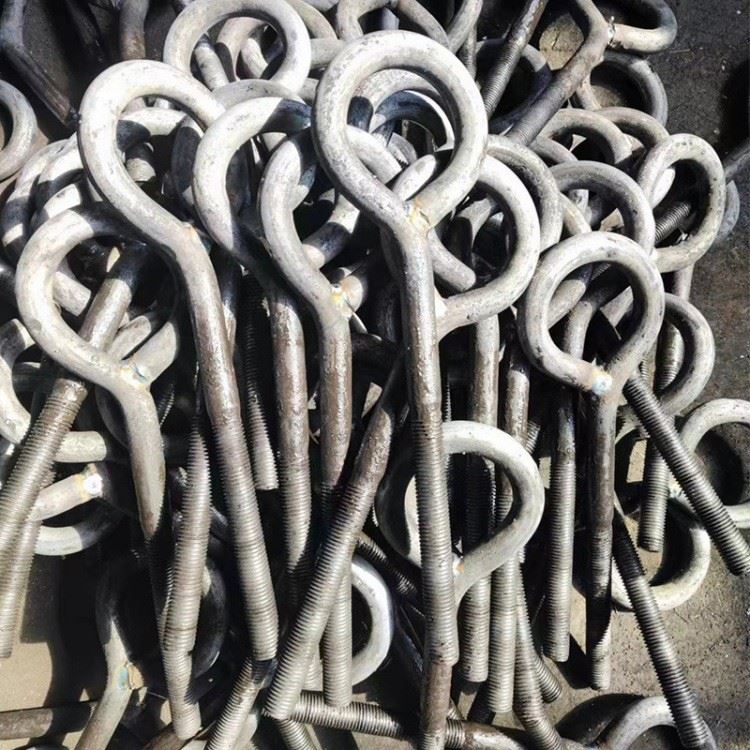

Now, let's talk about some specific types of fasteners and how to align them during installation.
Galvanized Anchor Bolts
Galvanized anchor bolts are commonly used to secure heavy objects to concrete or other masonry surfaces. When installing galvanized anchor bolts, it's important to make sure that they are installed straight and perpendicular to the surface. To do this, use a level or other measuring tool to ensure that your markings are straight and that the bolts are installed at the correct angle. You may also want to use a pilot hole to help guide the bolts into the correct position. For more information on galvanized anchor bolts, check out our Galvanized Anchor Bolts page.
Mild Steel Hex Bolt
Mild steel hex bolts are one of the most common types of fasteners used in construction and manufacturing. When installing mild steel hex bolts, it's important to make sure that they are tightened to the correct torque specification. Over tightening or under tightening can cause alignment problems and can even lead to the bolt breaking or stripping. Use a torque wrench to ensure that your bolts are tightened to the recommended torque level. You can find more information on mild steel hex bolts on our Mild Steel Hex Bolt page.
Duplex Stainless Steel Bolts
Duplex stainless steel bolts are a popular choice for applications where corrosion resistance is important. When installing duplex stainless steel bolts, it's important to make sure that they are installed in the correct direction and that they are tightened to the correct torque specification. Duplex stainless steel bolts are also more prone to galling than other types of bolts, so it's important to use a lubricant to prevent this from happening. You can learn more about duplex stainless steel bolts on our Duplex Stainless Steel Bolts page.
In conclusion, aligning fasteners during installation is a crucial step that can make or break the success of any project. By following these tips and techniques, you can ensure that your fasteners are installed correctly and that they will provide a secure and reliable connection. If you have any questions or need help with your fastener installation, don't hesitate to contact us. We're here to help you find the right fasteners for your project and to provide you with the support and guidance you need to ensure a successful installation.
References
- Fastener Installation Guide, Fastener Manufacturers Institute
- Machinery's Handbook, Industrial Press Inc.


