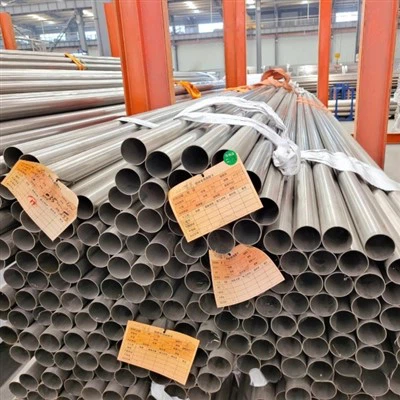
ASTM A333 Grade 6 and ASTM A106 Grade B are widely specified carbon steel pipe grades for industrial piping. Although both can be supplied as seamless carbon steel pipe and have similar basic strength levels, they are designed around different service requirements.
The main distinction is straightforward: ASTM A333 Grade 6 is specified for low-temperature service and applications requiring notch toughness, while ASTM A106 Grade B is specified for seamless carbon steel pipe used in high-temperature service. ASTM A333/A333M specifically covers seamless and welded carbon and alloy steel pipe for low-temperature service and other applications requiring notch toughness, while ASTM A106/A106M covers seamless carbon steel pipe for high-temperature service.
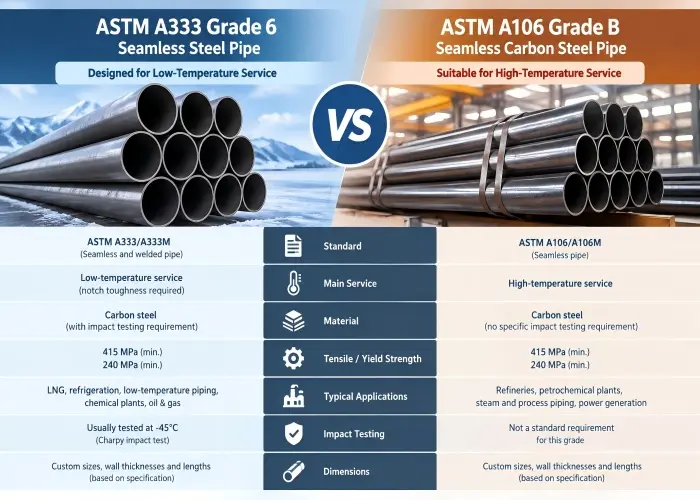
ASTM A333 Grade 6 vs ASTM A106 Grade B
| Item | ASTM A333 Grade 6 | ASTM A106 Grade B |
|---|---|---|
| Main standard | ASTM A333/A333M | ASTM A106/A106M |
| Product type | Seamless and welded steel pipe | Seamless carbon steel pipe |
| Main service | Low-temperature service | High-temperature service |
| Key requirement | Notch toughness / impact performance | Strength and performance for high-temperature service |
| Typical material | Carbon steel | Carbon steel |
| Tensile strength, min. | 415 MPa | 415 MPa |
| Yield strength, min. | 240 MPa | 240 MPa |
| Typical applications | LNG, low-temperature process piping, refrigeration, oil & gas | Refineries, petrochemical plants, steam and process piping |
| Impact testing | Required according to applicable A333 requirements | Not a standard defining requirement like A333 low-temperature impact testing |
| Manufacturing | Seamless or welded | Seamless |
1. Different Service Temperature Requirements
The most important difference between these two grades is their intended temperature range.
ASTM A333 Grade 6
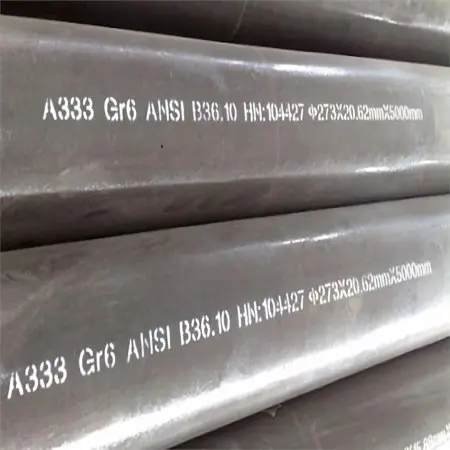
ASTM A333 Grade 6 is designed for applications where the pipe must maintain adequate notch toughness at low temperatures. The A333 specification specifically covers low-temperature service and other applications requiring notch toughness.
This makes Grade 6 relevant to applications such as:
LNG facilities
Low-temperature oil and gas systems
Refrigeration piping
Cryogenic-related process systems
Chemical processing
Low-temperature storage and transfer systems
ASTM A106 Grade B
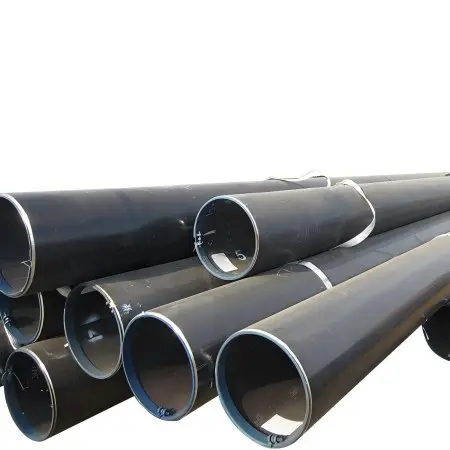
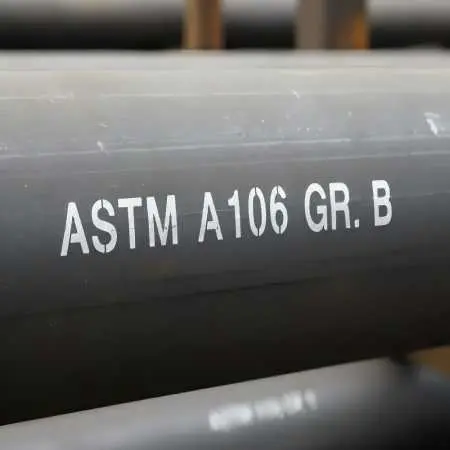
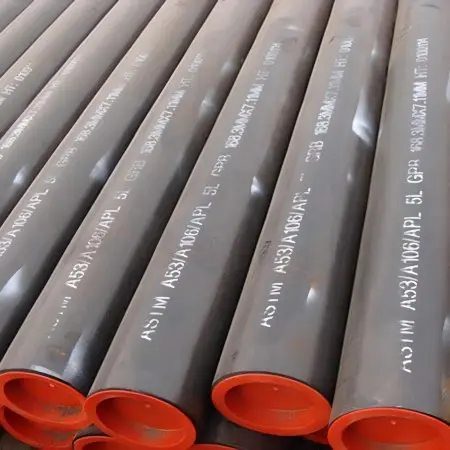
ASTM A106 Grade B is covered by the specification for seamless carbon steel pipe for high-temperature service. The standard also states that the pipe is suitable for welding, bending, flanging and similar forming operations.
Typical applications include:
Oil refineries
Petrochemical plants
Steam piping
Process piping
Power-generation systems
High-temperature fluid transportation
2. Chemical Composition Comparison
| Chemical Element | ASTM A333 Grade 6 | ASTM A106 Grade B |
|---|---|---|
| Carbon (C) | 0.30% max. | 0.30% max. |
| Manganese (Mn) | Controlled according to A333 requirements | 0.29–1.06% |
| Phosphorus (P) | 0.025% max. | 0.035% max. |
| Sulfur (S) | 0.025% max. | 0.035% max. |
| Silicon (Si) | 0.10% min. | 0.10% min. |
3. Mechanical Properties: Similar Strength, Different Focus
One reason A333 Grade 6 and A106 Grade B are sometimes confused is that their basic minimum tensile and yield strength requirements are similar.
| Mechanical Property | ASTM A333 Grade 6 | ASTM A106 Grade B |
|---|---|---|
| Tensile Strength | 415 MPa min. | 415 MPa min. |
| Yield Strength | 240 MPa min. | 240 MPa min. |
| Main performance focus | Low-temperature toughness | High-temperature service |
4. Impact Testing Is a Major Difference
For low-temperature piping, Charpy V-notch impact testing is particularly important.
ASTM A333/A333M requires specified testing for impact toughness as part of its requirements for the covered grades. The standard also notes that some product sizes may not be available because heavier wall thicknesses can adversely affect impact properties.
This is an important difference from simply comparing:
A333 Grade 6 = 415 MPa tensile strength
A106 Grade B = 415 MPa tensile strength
Even when two pipes have similar tensile and yield strength, their suitability for a particular low-temperature application can be different because notch toughness and impact-test requirements are separate material considerations.
5. Applications of A333 Grade 6 vs A106 Grade B
ASTM A333 Grade 6 Applications
A333 Grade 6 is commonly considered for:
LNG and low-temperature systems
Used in piping associated with LNG processing, storage and transfer where low-temperature toughness is required.
Oil & Gas
Suitable for selected low-temperature sections of oil and gas processing and transportation systems.
Refrigeration
Used for process piping exposed to low operating temperatures.
Chemical Processing
Applicable where process conditions require carbon steel pipe with specified low-temperature toughness.
ASTM A106 Grade B Applications
A106 Grade B is commonly used for:
Oil Refineries
Process lines transporting fluids at elevated temperatures.
Petrochemical Plants
Process and utility piping where seamless carbon steel pipe is specified.
Steam Piping
Used for high-temperature steam and process systems.
Power Generation
Applied in suitable high-temperature pressure piping systems.
6. ASTM A333 Grade 6 vs ASTM A106 Grade B: Key Takeaway
The difference can be summarized as follows:
ASTM A333 Grade 6 focuses on low-temperature service and notch toughness, while ASTM A106 Grade B focuses on seamless carbon steel pipe for high-temperature service.
Their basic strength requirements can be similar, but service temperature, impact toughness and specification requirements are what make the two grades different in practical pipe selection.
For projects involving LNG, refrigeration or other low-temperature systems, ASTM A333 Grade 6 may be specified where the required low-temperature toughness must be demonstrated. For refinery, petrochemical, steam and other high-temperature process piping, ASTM A106 Grade B is a commonly specified seamless carbon steel pipe grade. Final selection should always follow the project design conditions and applicable codes and standards.